

Opinion|Videos|December 17, 2025
Clinical Trial Data Overview
The experts focus on clinical trial evidence supporting the use of combination therapies in EGFR-mutant mNSCLC. The panel reviews key data from the MARIPOSA and FLAURA trials, highlighting differences in patient populations, CNS imaging protocols, and reported outcomes. They emphasize that routine CNS surveillance allows for a more accurate assessment of intracranial progression-free survival and can inform optimal therapy selection. MARIPOSA trial data demonstrate that amivantamab plus lazertinib significantly improves intracranial progression-free survival compared to osimertinib monotherapy, effectively doubling outcomes in patients with baseline brain metastases. The discussion also addresses the importance of patient stratification based on risk factors, including high tumor burden, liver metastases, p53 mutations, and circulating tumor DNA levels, which may impact prognosis and response to therapy. The panel emphasizes that combination therapy is beneficial across populations, not limited to high-risk patients, and stresses the significance of first-line therapy selection in improving long-term outcomes. Safety profiles and tolerability are also introduced, noting the need for patient education and shared decision-making.
Advertisement
Episodes in this series
The experts focus on clinical trial evidence supporting the use of combination therapies in EGFR-mutant mNSCLC. The panel reviews key data from the MARIPOSA and FLAURA trials, highlighting differences in patient populations, CNS imaging protocols, and reported outcomes. They emphasize that routine CNS surveillance allows for a more accurate assessment of intracranial progression-free survival and can inform optimal therapy selection. MARIPOSA trial data demonstrate that amivantamab plus lazertinib significantly improves intracranial progression-free survival compared to osimertinib monotherapy, effectively doubling outcomes in patients with baseline brain metastases. The discussion also addresses the importance of patient stratification based on risk factors, including high tumor burden, liver metastases, p53 mutations, and circulating tumor DNA levels, which may impact prognosis and response to therapy. The panel emphasizes that combination therapy is beneficial across populations, not limited to high-risk patients, and stresses the significance of first-line therapy selection in improving long-term outcomes. Safety profiles and tolerability are also introduced, noting the need for patient education and shared decision-making.
Advertisement
Related to this article

“When we give the most effective therapy at the time of new diagnosis, we get the most value out of the effort and time that we and our patients are spending,” said Neeraj Agarwal, MD, FASCO.

An aglatimagene besadenovec-based radiotherapy combination increased intratumoral lymphocyte fraction in intermediate- to high-risk localized prostate cancer.

The ROADS investigators reported no differences between cesium-131 tile-based radiation therapy and SRT in quality of life, functional status, or neurocognitive function.
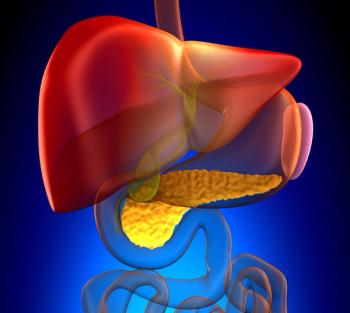
William A. Hall, MD, discussed the SOFT Preop study of preoperative SBRT vs conventional chemoradiation for pancreatic adenocarcinoma.
Chih-Yi “Andy” Liao, MD, discusses how oncologists are sequencing pemigatinib, futibatinib, and lirafugratinib and how their tolerability differs.

“It should be protocol that 100% of your patients with metastatic prostate cancer get germline testing. Full stop. No exceptions,” said Neal D. Shore, MD, FACS.
Chih-Yi “Andy” Liao, MD, discusses the FDA approval of lirafugratinib and what the field has learned about resistance to FGFR2 inhibitors.

In the phase 3 NRG-CC009 trial, SRS led to longer overall survival vs HA-WBRT plus memantine with similar neurocognitive failure in SCLC brain metastases.
Advertisement
Advertisement
Trending on CancerNetwork
1
BCMA/GPRC5D CAR T-Cell Therapy Shows Early Efficacy in R/R Multiple Myeloma
2
Aglatimagene Combo Shows Sustained Immune Remodeling in Prostate Cancer
3
What Does TALAPRO-3 Mean for Frontline Treatment of HRR-Altered mHSPC?
4
SBRT Matches Chemoradiation, Preserves QOL Before Pancreatic Surgery
5