

Opinion|Videos|September 29, 2026
DREAMM-7 Study Design and the Rationale
The faculty describe the approval of belantamab mafodotin with bortezomib and dexamethasone for patients who have had at least 2 prior lines of treatment including a proteasome inhibitor (PI) and an immunomodulatory drug (IMiD), noting the boxed warning for ocular adverse effects.
Advertisement
Episodes in this series
The faculty describe the approval of belantamab mafodotin with bortezomib and dexamethasone for patients who have had at least 2 prior lines of treatment including a proteasome inhibitor (PI) and an immunomodulatory drug (IMiD), noting the boxed warning for ocular adverse effects.
DREAMM-7 is characterized as a randomized, open-label phase 3 study comparing belantamab mafodotin with bortezomib and dexamethasone against a daratumumab-based combination of daratumumab, bortezomib, and dexamethasone, the regimen approved on the basis of the CASTOR trial. Belantamab mafodotin was given with dose adjustments and schedule modifications allowed. The first 8 cycles were given with bortezomib and dexamethasone, followed by belantamab mafodotin until progression. Most enrolled patients were in early lines. The primary endpoint was progression-free survival, with overall response rate, measurable residual disease (MRD) negativity, overall survival, and safety as important considerations. Turning to design, the faculty argue that control arms must be strong, contrasting DREAMM-7 with trials such as ASPIRE and TOURMALINE that compared a 3-drug regimen against a 2-drug regimen. CASTOR compared daratumumab, bortezomib, and dexamethasone against bortezomib and dexamethasone, and the expectation for that control arm is more than 15 months. The faculty proceed to further discuss the DREAMM-7 study’s treatment arms, dosing, and dosing schedules.
Advertisement
Related to this article
Ethan B. Ludmir, MD, explains why advanced radiation techniques like protons fit nonoperative cholangiocarcinoma better than the preoperative setting.

10-year CHN HYPOPMRT data show 3-week postmastectomy RT with nodal irradiation maintains locoregional control without added severe late toxicity.

Ayal Aizer, MD, MHS, explains why fractionated SRS outperformed single-fraction SRS for surgical bed control in Alliance A071801.

Andy Liao, MD, discusses KRAS-targeted strategies, molecular profiling, multidisciplinary care, and FGFR2 inhibitor sequencing in cholangiocarcinoma.

“To me, the biggest differentiator might be how the patient wants to experience care,” said Krish Patel, MD, on treatment options for patients with lymphoma.
Ayal Aizer, MD, MHS, says Alliance A071801 supports fractionated SRS as standard after resection, with comparable radiation necrosis rates.

Jyoti Malhotra, MD, MPH on first-in-human clinical trials, lung cancer precision medicine in 2026, the disparities tension in drug development, and her move to Yale Cancer Center.
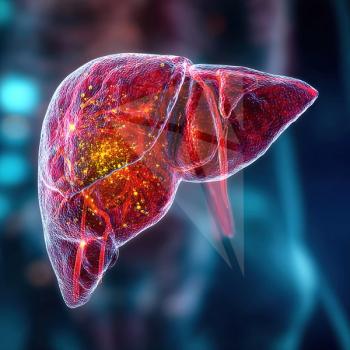
A personalized ctDNA assay demonstrated 100% specificity but limited sensitivity for detecting recurrence after liver transplantation in HCC and CCA.
Advertisement
Advertisement
Trending on CancerNetwork
1
Distal Extrahepatic Cholangiocarcinoma May Gain From Neoadjuvant Radiation
2
Neoadjuvant Radiation May Improve Tolerability in Cholangiocarcinoma
3
Hydrogel Spacer Receives FDA 510(k) Clearance for Prostate Cancer Radiotherapy
4
PDS0101/Pembrolizumab Yields 39.3-Month Median OS in HPV16-Positive HNSCC
5