

Opinion|Videos|January 19, 2026
Ensuring Comprehensive Support and Long Term Success for Patients Receiving DFLOT
Discover how specialized cancer care, including nurse navigators and telehealth, enhances patient outcomes and quality of life post-treatment.
Advertisement
Episodes in this series
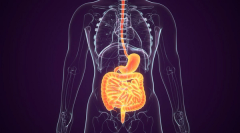
This segment focuses on the infrastructure, communication practices, and follow up strategies that meaningfully influence outcomes for patients receiving perioperative therapy and surgery for gastric and GE junction cancers. The discussion begins with how academic centers leverage multidisciplinary resources including dietitians, nurse navigators, integrated specialty teams, and rapid access to telehealth to monitor patients closely and address complications early. Panelists reflect on how these elements can be replicated in community settings and highlight the importance of seamless communication between surgical teams and outside oncology practices, particularly when postoperative care is shared across institutions. The conversation then shifts to what constitutes success one year after surgery. The panel emphasizes both quality of life measures and disease related milestones. Stabilized weight, adequate nutrition, functional recovery, and return to baseline activities are paired with ongoing surveillance to confirm the absence of recurrence. Collectively, these perspectives underscore how coordinated, proactive follow up can support long term recovery and optimize the benefits of DFLOT.
Advertisement
Related to this article

Ethan B. Ludmir, MD, explains the rationale for moving radiation into the neoadjuvant setting for borderline resectable cholangiocarcinoma.

An analysis of the BENEFIT trial supports isatuximab plus bortezomib, lenalidomide, and dexamethasone as a new standard of care in transplant-ineligible NDMM.

C. Ola Landgren, MD, PhD, discusses how MRD-driven strategies may eliminate the transplant-eligible vs transplant-ineligible framework in multiple myeloma.

Hans C. Lee, MD, discussed how community oncologists with limited access to MRD testing can think about the new IMS/IMWG definition of cure in myeloma.
A patient-reported outcomes analysis from the phase 3 IRAKLIA trial showed higher satisfaction with subcutaneous isatuximab via on-body injector.

The phase 3 EXCALIBER-RRMM trial supports iberdomide plus daratumumab and dexamethasone as a new standard of care in relapsed/refractory multiple myeloma.

C. Ola Landgren, MD, PhD, discusses disparities in myeloma care access between academic and community practices and how his center works to bridge that gap.

Hans C. Lee, MD, discussed how he monitors patients with multiple myeloma who achieve deep, sustained MRD negativity after coming off therapy.
Advertisement
Advertisement
Trending on CancerNetwork
1
Acting on a HER2 Result and Navigating Access to Therapy
2
The Case for Frontline Zongertinib in HER2-Mutant NSCLC
3
Emerging Endocrine Doublets and Serial ESR1 Testing in HR+/HER2− mBC
4
Patient-Centered Treatment Transitions in HR+/HER2− mBC
5