
Opinion|Videos|May 19, 2026 (Updated: May 12, 2026)
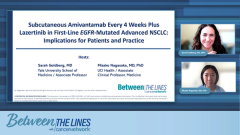
From PALOMA-3 to PALOMA-2 Cohort 5 — SC Q4W Dosing Evidence
Author(s)Sarah Goldberg, MD, MPH , Misako Nagasaka, MD
Learn how clinicians choose first-line EGFR lung cancer therapy, weigh brain mets risk, and manage combo side effects for lasting benefit.
Advertisement
Episodes in this series
Dr. Nagasaka traces the evidence pathway behind subcutaneous amivantamab Q4W. She begins with PALOMA-3, a non-inferiority trial in patients previously treated with osimertinib and chemotherapy that compared intravenous amivantamab Q2W with subcutaneous amivantamab Q2W, both with lazertinib. The pharmacokinetic primary end point was met; administration time fell from hours of chair time to approximately 5 minutes, and administration-related reactions decreased from 66% to 13%, an 80% relative reduction. Venous thromboembolism rates were lower with the subcutaneous formulation (9% vs 14%), with 80% of patients receiving prophylaxis, and overall response rates were preserved (33% vs 30%).
With non-inferiority established for the route change, PALOMA-2 cohort 5 then extended the dosing interval from every 2 weeks to every 4 weeks in the first-line setting, reducing annual clinic visits from approximately 26 to 13. Dr. Nagasaka reviews the cohort 5 design — treatment-naive patients with exon 19 deletion or L858R, stable brain metastases permitted, ECOG performance status 0 or 1 — and the regimen, which included a weekly loading phase for the first 4 weeks followed by Q4W maintenance, with prophylactic anticoagulation in months 1 through 4. Among the 77 enrolled patients (median age, 63 years; 68% female; 62% Asian; 43% with baseline brain metastases), the investigator-assessed overall response rate was 82%, exceeding the prespecified threshold and consistent with the 86% by BICR observed in MARIPOSA. The confirmed clinical benefit rate was 97%, and median duration of response, progression-free survival, and overall survival were not reached at data cutoff.
In the next episode, "SC Q4W in Practice — Workflow, Dose Modifications, and Patient Conversations," Drs. Nagasaka and Goldberg discuss how this delivery innovation translates into the clinic.
Advertisement
Related to this article

Ravi Patel, MD, PhD, discusses expanding theranostics access, personalized dosing strategies, and translational research in radiation oncology.

Jeffrey V. Matous, MD, discusses how to counsel patients on chronic, low-grade toxicities to support adherence to ramantamig.
The FDA approved adjuvant atezolizumab with chemotherapy for patients with resected stage III dMMR colon cancer based on results from the phase 3 ATOMIC trial.

“No one should be excluded from any clinical trial,” said Paul G. Rubinstein, MD, regarding patients with HIV-associated cancers in cooperative group studies.
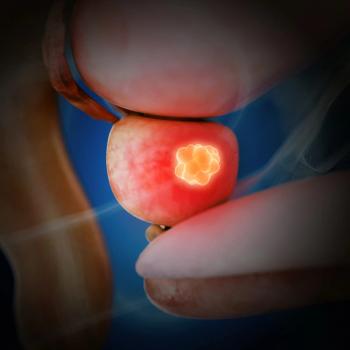
Interim phase 2 data show a median PFS of 17.7 months with carotuximab plus apalutamide vs 2 months with apalutamide alone in metastatic CRPC.
Ahead of a fourth-quarter 2026 FDA decision, TALAPRO-3 investigators outline the testing, monitoring, and sequencing steps needed to adopt the regimen.

Iberdomide plus daratumumab/dexamethasone met the second dual primary end point of the phase 3 EXCALIBER-RRMM trial in relapsed/refractory multiple myeloma.
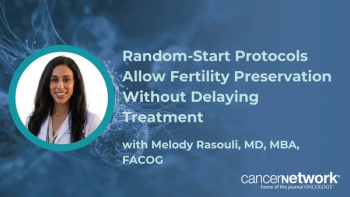
Melody Rasouli, MD, MBA, FACOG, explained how random-start ovarian stimulation and rapid sperm banking fit fertility preservation into cancer care.
Advertisement
Advertisement
Trending on CancerNetwork
1
FDA Approves Atezolizumab/Chemo for Stage III dMMR Colon Cancer
2
Novel Cancer Vaccine Plus Temozolomide Miss Primary End Point in Glioblastoma
3
FDA Approves Tucatinib Combo as Maintenance in HER2+ Breast Cancer
4
Iberdomide Combination Doubles PFS vs SOC Therapy in R/R Multiple Myeloma
5