

Opinion|Videos|March 31, 2026
How Rapid Therapeutic Evolution Has Complicated RCC Sequencing
Advertisement
Episodes in this series
This segment focuses on the growing complexity of treatment sequencing in advanced RCC as therapeutic options have expanded. The discussion emphasizes that while modern frontline regimens can produce meaningful responses, most patients will eventually require second-line therapy due to disease progression or acquired resistance. Dr. Voss highlights that the increasing number of available therapies has made it more difficult to determine optimal sequencing strategies. Clinicians must now anticipate future treatment needs when making initial decisions, rather than following a straightforward, linear approach. The speakers underscore that effective second-line options are critical, particularly in the immunotherapy-refractory setting, where clinical guidance remains limited. This segment reinforces the importance of understanding how earlier treatment choices influence subsequent therapy options and outcomes, and it highlights the need for continued research to define best practices in sequencing for patients with advanced RCC.
Advertisement
Related to this article

“When we give the most effective therapy at the time of new diagnosis, we get the most value out of the effort and time that we and our patients are spending,” said Neeraj Agarwal, MD, FASCO.

An aglatimagene besadenovec-based radiotherapy combination increased intratumoral lymphocyte fraction in intermediate- to high-risk localized prostate cancer.

The ROADS investigators reported no differences between cesium-131 tile-based radiation therapy and SRT in quality of life, functional status, or neurocognitive function.
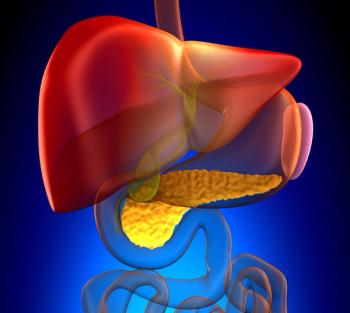
William A. Hall, MD, discussed the SOFT Preop study of preoperative SBRT vs conventional chemoradiation for pancreatic adenocarcinoma.
Chih-Yi “Andy” Liao, MD, discusses how oncologists are sequencing pemigatinib, futibatinib, and lirafugratinib and how their tolerability differs.

“It should be protocol that 100% of your patients with metastatic prostate cancer get germline testing. Full stop. No exceptions,” said Neal D. Shore, MD, FACS.
Chih-Yi “Andy” Liao, MD, discusses the FDA approval of lirafugratinib and what the field has learned about resistance to FGFR2 inhibitors.

In the phase 3 NRG-CC009 trial, SRS led to longer overall survival vs HA-WBRT plus memantine with similar neurocognitive failure in SCLC brain metastases.
Advertisement
Advertisement
Trending on CancerNetwork
1
BCMA/GPRC5D CAR T-Cell Therapy Shows Early Efficacy in R/R Multiple Myeloma
2
Aglatimagene Combo Shows Sustained Immune Remodeling in Prostate Cancer
3
Multimodal Biopsy Combo Shows Low Morbidity in Suspected Prostate Cancer
4
SBRT Matches Chemoradiation, Preserves QOL Before Pancreatic Surgery
5