

Opinion|Videos|July 1, 2026
Impact of Asciminib on Treatment Paradigms
Author(s)Joshua Zeidner, MD
Asciminib reshapes frontline CML care with fewer side effects and deeper molecular responses, while clinicians watch long-term safety and TFR results
Advertisement
Episodes in this series
Dr. Zeidner discusses his evolving approach to frontline treatment selection, noting a shift from highly individualized strategies based on comorbidities, lifestyle factors, and agent-specific toxicity profiles toward broader asciminib utilization. Previously, treatment selection required careful consideration of dasatinib's pulmonary toxicity risks, nilotinib's metabolic and cardiovascular effects, and patient-specific contraindications for optimal matching.
The ASCEMBL First study demonstrated asciminib's superior efficacy and tolerability compared to imatinib and second-generation agents across diverse patient populations. Unlike predecessor agents with specific comorbidity concerns, asciminib lacks significant contraindications that would prompt alternative agent selection, simplifying frontline decision-making processes.
Dr. Cortes agrees with this paradigm shift, noting few scenarios where asciminib would be inappropriate beyond patients with atypical B2A3 transcripts where the drug demonstrates limited efficacy. The superior safety profile benefits all patient populations regardless of age, with treatment-free remission aspirations appropriate for older patients despite potentially unrealistic timeline expectations.
Both physicians emphasize maintaining therapeutic option diversity for exceptional cases requiring alternative approaches. However, asciminib's broad applicability has streamlined frontline selection while preserving backup options for intolerance or resistance scenarios.
Dr. Zeidner acknowledges the need for long-term follow-up data to validate current enthusiasm, noting 20-plus year imatinib experience and extensive second-generation agent data compared to limited asciminib longevity information. Historical examples of late-emerging toxicities with ponatinib and nilotinib reinforce vigilance regarding long-term safety surveillance, though early Phase 1 data spanning over 10 years provides some reassurance about asciminib's extended safety profile.
Advertisement
Related to this article

“When we give the most effective therapy at the time of new diagnosis, we get the most value out of the effort and time that we and our patients are spending,” said Neeraj Agarwal, MD, FASCO.

An aglatimagene besadenovec-based radiotherapy combination increased intratumoral lymphocyte fraction in intermediate- to high-risk localized prostate cancer.

The ROADS investigators reported no differences between cesium-131 tile-based radiation therapy and SRT in quality of life, functional status, or neurocognitive function.
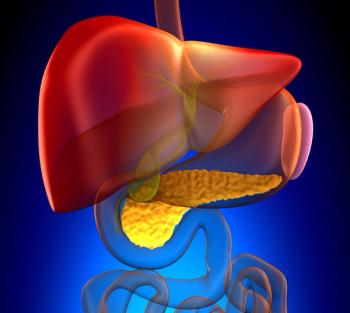
William A. Hall, MD, discussed the SOFT Preop study of preoperative SBRT vs conventional chemoradiation for pancreatic adenocarcinoma.

Chih-Yi “Andy” Liao, MD, discusses how oncologists are sequencing pemigatinib, futibatinib, and lirafugratinib and how their tolerability differs.

“It should be protocol that 100% of your patients with metastatic prostate cancer get germline testing. Full stop. No exceptions,” said Neal D. Shore, MD, FACS.
Chih-Yi “Andy” Liao, MD, discusses the FDA approval of lirafugratinib and what the field has learned about resistance to FGFR2 inhibitors.

In the phase 3 NRG-CC009 trial, SRS led to longer overall survival vs HA-WBRT plus memantine with similar neurocognitive failure in SCLC brain metastases.
Advertisement
Advertisement
Trending on CancerNetwork
1
BCMA/GPRC5D CAR T-Cell Therapy Shows Early Efficacy in R/R Multiple Myeloma
2
Multimodal Biopsy Combo Shows Low Morbidity in Suspected Prostate Cancer
3
Integrating Talazoparib Plus Enzalutamide Into HRR-Mutated mHSPC Care
4
Aglatimagene Combo Shows Sustained Immune Remodeling in Prostate Cancer
5