Chih-Yi “Andy” Liao, MD, discusses the FDA approval of lirafugratinib and what the field has learned about resistance to FGFR2 inhibitors.
Hua-Jay Cherng, MD, suggested molecular genotyping could replace standard R-CHOP with targeted, less toxic treatments tailored to specific DLBCL subtypes.
Precision oncology in lymphoma is evolving beyond reactive monitoring toward a proactive, personalized paradigm. In an interview with CancerNetwork®, Hua-Jay Cherng, MD, suggested that although molecular biomarkers currently inform treatment adjustments, the field’s next great advance involves leveraging genetic features to select targeted therapies up front. For nearly 30 years, diffuse large B-cell lymphoma (DLBCL), a heterogeneous “umbrella” disease, has been managed with uniform cycles of combination immunochemotherapy.
However, Cherng explained that a shift where molecular genotyping replaces this one-size-fits-all model could emerge. By tailoring treatment to a patient’s unique disease profile, clinicians can improve outcomes for high-risk subgroups and introduce safer alternatives for patients who are older or have frailty. This transition holds the potential to significantly reduce treatment-related adverse effects and could lead to the large-scale replacement of standard rituximab (Rituxan), cyclophosphamide, doxorubicin, vincristine (Oncovin), and prednisone (R-CHOP) within the next 5 years, marking a definitive milestone in the delivery of precision-based lymphoma care.
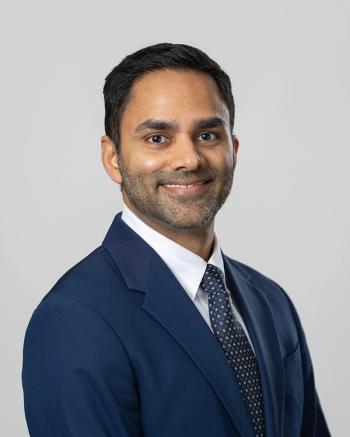
Cherng is an assistant professor of medicine in the Lymphoma Program in the Division of Hematology and Oncology at Columbia University Irving Medical Center.
I have already touched on the first half of precision medicine—or oncology, at least my interpretation of it for lymphoma—which is using molecular biomarkers to make on-treatment or posttreatment decisions for patients based on their response to treatment.
The other half of precision oncology, as it relates to lymphoma, is how we can leverage specific molecular or genetic features about a patient’s own disease to help pick targeted treatments for them up front. Over the last 10-plus years, we have known about molecular subtypes of [DLBCL]. It is a remarkably heterogeneous “umbrella” disease. These patients [perform] differently, and their diseases might preferentially respond to different targeted treatments. However, over [approximately] the last 3 decades, we have been treating them [nearly] exactly the same with cycles of combination immunochemotherapy.
How can we leverage molecular genotyping to pick different treatments for different patients, either to improve outcomes for higher-risk subgroups or even replace chemotherapy with less toxic and more targeted treatments for patients who might already do well with standard chemotherapy? This is doubly important for our patients who are [older] or frail with lymphoma who might not be able to tolerate full-dose combination chemotherapy. Can we introduce novel targeted treatments to replace chemotherapy up front for those patients? This is the other half that I am excited about, and we are going to see more of a replacement of the standard R-CHOP immunochemotherapy for patients in the next 5 years.