

Opinion|Videos|December 9, 2024
Patient Perspectives on Managing Adverse Effects from Capecitabine, Trastuzumab, and Tucatinib
Panelists discuss the adverse effects experienced by a patient undergoing treatment with capecitabine (Xeloda), trastuzumab (Herceptin), and tucatinib (Tukysa), along with the strategies employed to manage those adverse effects, while also addressing patient follow-up procedures, including the frequency of visits, typical labs and imaging ordered, concerning symptoms and lab results, and the outcomes of the patient's most recent follow-up appointment.
Advertisement
Episodes in this series
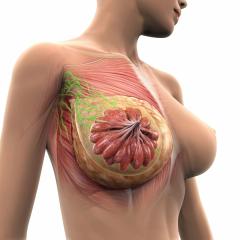
- Dr Iyengar asks Dorian Nygard: What side adverse effects have you experienced with your current treatment (capecitabine [Zeloda], trastuzumab [Herceptin], and tucatinib [Tukysa])?
- What strategies have you found to be most helpful in managing these side adverse effects?
- Dr Iyengar asks Odessa Williams: Describe patient follow-up procedures in your practice.
- How often do you see your patients for follow-up at your institution
- What labs and imaging are typically ordered and at what frequency?
- During follow-up, what symptoms or labs are most concerning to you?
- Dr Iyengar asks Dorian Nygard: What was the outcome of your most recent follow-up appointment?
Advertisement
Related to this article
Developers have resubmitted the biologics license application for tabelecleucel following feedback from a Type A meeting in April 2026.
William A. Hall, MD, discussed how preoperative SBRT may serve as a platform for novel systemic therapies in pancreatic adenocarcinoma.
At 8 years, SBRT and radical prostatectomy had similar disease control in the PACE-A trial, with less urinary incontinence after SBRT.

Chih-Yi “Andy” Liao, MD, discusses early clinical data for KRAS G12C and G12D inhibitors in cholangiocarcinoma, noting that trials are just getting started.

“When we give the most effective therapy at the time of new diagnosis, we get the most value out of the effort and time that we and our patients are spending,” said Neeraj Agarwal, MD, FASCO.
An aglatimagene besadenovec-based radiotherapy combination increased intratumoral lymphocyte fraction in intermediate- to high-risk localized prostate cancer.

The ROADS investigators reported no differences between cesium-131 tile-based radiation therapy and SRT in quality of life, functional status, or neurocognitive function.
William A. Hall, MD, discussed the SOFT Preop study of preoperative SBRT vs conventional chemoradiation for pancreatic adenocarcinoma.
Advertisement
Advertisement
Trending on CancerNetwork
1
Aglatimagene Combo Shows Sustained Immune Remodeling in Prostate Cancer
2
What Does TALAPRO-3 Mean for Frontline Treatment of HRR-Altered mHSPC?
3
SBRT Matches Chemoradiation, Preserves QOL Before Pancreatic Surgery
4
Tile-Based Radiation Improves Surgical Bed Recurrence in Brain Metastases
5