

Opinion|Videos|May 26, 2026 (Updated: May 12, 2026)
Safety, Tolerability, and the AE Profile of SC Q4W in Cohort 5
Author(s)Sarah Goldberg, MD, MPH , Misako Nagasaka, MD
Learn how monthly subcutaneous amivantamab cuts clinic time, eases infusion capacity, and supports dose tweaks without sacrificing outcomes.
Advertisement
Episodes in this series
Dr. Goldberg reviews the safety and tolerability profile of subcutaneous amivantamab Q4W plus lazertinib in PALOMA-2 cohort 5 and the proactive strategies developed to support patients on therapy. She walks through the most common treatment-emergent adverse events occurring in 20% or more of patients, grouped by mechanism. EGFR-related events included paronychia (73%), rash (58%), dermatitis acneiform (40%), stomatitis (38%), pruritus (34%), and diarrhea (29%). MET-related events included hypoalbuminemia (64%) and peripheral edema (36%), with no grade 3 or higher edema observed. Other events included elevated ALT, elevated AST, and dry skin. Only 8% of patients discontinued all study treatment because of treatment-related adverse events. The administration-related reaction rate was 12%, with 1% grade 3 or higher and 78% occurring at the first injection — roughly 5-fold lower than with intravenous administration. Grade 3 or higher bleeding occurred in 1%.
Dr. Goldberg then turns to proactive management. The COCOON regimen — oral doxycycline or minocycline in weeks 1 through 12, clindamycin scalp lotion in weeks 13 through 52, chlorhexidine 4% nail wash daily, and a ceramide-based moisturizer daily — reduced moderate to severe dermatologic events from 75% to 42% in the COCOON trial. Prophylactic anticoagulation in months 1 through 4 with a direct oral anticoagulant or low-molecular-weight heparin was used by 87% of cohort 5 patients; the resulting venous thromboembolism rate was 13%, with no grade 3 or higher events and no related dose reductions, discontinuations, or deaths. Dose modifications occurred in 59% of MARIPOSA patients without compromising progression-free survival.
In the next episode, "Optimizing the Treatment Experience — COCOON, Counseling, and Anticoagulation," Drs. Goldberg and Nagasaka share clinic-level workflows for putting this into practice.
Advertisement
Related to this article

Ravi Patel, MD, PhD, discusses expanding theranostics access, personalized dosing strategies, and translational research in radiation oncology.

Jeffrey V. Matous, MD, discusses how to counsel patients on chronic, low-grade toxicities to support adherence to ramantamig.
The FDA approved adjuvant atezolizumab with chemotherapy for patients with resected stage III dMMR colon cancer based on results from the phase 3 ATOMIC trial.

“No one should be excluded from any clinical trial,” said Paul G. Rubinstein, MD, regarding patients with HIV-associated cancers in cooperative group studies.
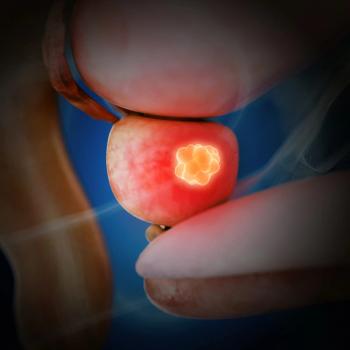
Interim phase 2 data show a median PFS of 17.7 months with carotuximab plus apalutamide vs 2 months with apalutamide alone in metastatic CRPC.
Ahead of a fourth-quarter 2026 FDA decision, TALAPRO-3 investigators outline the testing, monitoring, and sequencing steps needed to adopt the regimen.

Iberdomide plus daratumumab/dexamethasone met the second dual primary end point of the phase 3 EXCALIBER-RRMM trial in relapsed/refractory multiple myeloma.
Melody Rasouli, MD, MBA, FACOG, explained how random-start ovarian stimulation and rapid sperm banking fit fertility preservation into cancer care.
Advertisement
Advertisement
Trending on CancerNetwork
1
FDA Approves Atezolizumab/Chemo for Stage III dMMR Colon Cancer
2
Novel Cancer Vaccine Plus Temozolomide Miss Primary End Point in Glioblastoma
3
FDA Approves Tucatinib Combo as Maintenance in HER2+ Breast Cancer
4
Iberdomide Combination Doubles PFS vs SOC Therapy in R/R Multiple Myeloma
5