

Opinion|Videos|September 30, 2026
Timing Referral, Holding Therapy, and Bridging Therapy Definitions
Timing referral for chimeric antigen receptor (CAR) T-cell therapy is critical when patients with multiple myeloma experience relapse or progressive disease.
Advertisement
Episodes in this series
Timing referral for chimeric antigen receptor (CAR) T-cell therapy is critical when patients with multiple myeloma experience relapse or progressive disease. Doris Hansen, MD, and Prerna Mewawalla, MD, discuss referral in the setting of rising immunoglobulin light chains and a new lesion on imaging, emphasizing referral as early as possible, ideally at first relapse or sooner when a clinical trial may be appropriate. They explain that the timing of holding therapy depends on the pace of disease progression and whether a patient can safely wait for consultation and T-cell collection. Holding therapy is used between relapse and apheresis to stabilize disease while avoiding lymphotoxic treatments that could compromise T-cell manufacturing. Bridging therapy occurs after apheresis and before CAR T-cell infusion, when T-cell engagers can be used because the cells have already been collected. Talquetamab is discussed as a favored bridging option because it targets G-protein-coupled receptor class C group 5 member D (GPRC5D) rather than B-cell maturation antigen (BCMA). Alkylators remain another option, although cytopenias may occur.
Advertisement
Related to this article
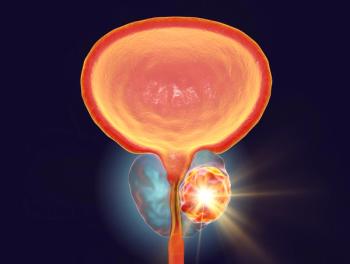
An aglatimagene besadenovec-based radiotherapy combination increased intratumoral lymphocyte fraction in intermediate- to high-risk localized prostate cancer.

The ROADS investigators reported no differences between cesium-131 tile-based radiation therapy and SRT in quality of life, functional status, or neurocognitive function.
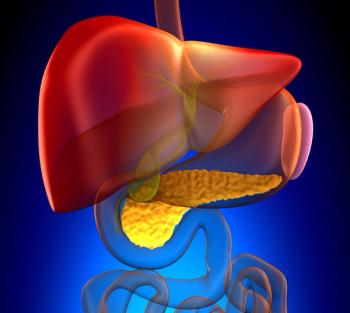
William A. Hall, MD, discussed the SOFT Preop study of preoperative SBRT vs conventional chemoradiation for pancreatic adenocarcinoma.
Chih-Yi “Andy” Liao, MD, discusses how oncologists are sequencing pemigatinib, futibatinib, and lirafugratinib and how their tolerability differs.

“It should be protocol that 100% of your patients with metastatic prostate cancer get germline testing. Full stop. No exceptions,” said Neal D. Shore, MD, FACS.
Chih-Yi “Andy” Liao, MD, discusses the FDA approval of lirafugratinib and what the field has learned about resistance to FGFR2 inhibitors.

In the phase 3 NRG-CC009 trial, SRS led to longer overall survival vs HA-WBRT plus memantine with similar neurocognitive failure in SCLC brain metastases.

In a phase 1 first-in-human trial, BMS-986453 showed a favorable safety profile and high response rates in relapsed/refractory multiple myeloma.
Advertisement
Advertisement
Trending on CancerNetwork
1
Multimodal Biopsy Combo Shows Low Morbidity in Suspected Prostate Cancer
2
BCMA/GPRC5D CAR T-Cell Therapy Shows Early Efficacy in R/R Multiple Myeloma
3
Integrating Talazoparib Plus Enzalutamide Into HRR-Mutated mHSPC Care
4
Lirafugratinib Approval Adds a Third FGFR2 Inhibitor in Cholangiocarcinoma
5