
Opinion|Videos|September 30, 2026
Triaging Post-CAR T Complications in Two Practical Scenarios
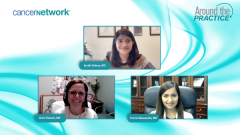
Surbhi Sidana, MD, presents 2 practical scenarios: a patient 6 to 7 weeks post-infusion who develops a fever at a local emergency department 4 hours from the treating center, and a patient around 7 to 8 weeks post-infusion who develops facial droop, drooling, and behavioral changes noticed by a spouse.
Advertisement
Episodes in this series
Surbhi Sidana, MD, presents 2 practical scenarios: a patient 6 to 7 weeks post-infusion who develops a fever at a local emergency department 4 hours from the treating center, and a patient around 7 to 8 weeks post-infusion who develops facial droop, drooling, and behavioral changes noticed by a spouse. Prerna Mewawalla, MD, says any suspected delayed neurotoxicity, including parkinsonian symptoms, warrants immediate transfer to the treating center given how difficult these toxicities are to manage, distinguishing them from more reversible findings such as isolated cranial nerve palsies. For a delayed fever, Dr. Mewawalla says management depends on the patient’s earlier course, including whether cytokine release syndrome or rising inflammatory markers occurred previously, to help distinguish infection, which becomes more likely as time passes, from a recurrence of treatment-related inflammation. Dr. Sidana adds that cytokine release syndrome beyond the first 2 to 3 weeks is uncommon in her experience, that fever at this stage is most often infectious, and that keeping communication channels open allows the team to triage which patients can be managed locally and which need to be brought in urgently.
Advertisement
Related to this article

An aglatimagene besadenovec-based radiotherapy combination increased intratumoral lymphocyte fraction in intermediate- to high-risk localized prostate cancer.

The ROADS investigators reported no differences between cesium-131 tile-based radiation therapy and SRT in quality of life, functional status, or neurocognitive function.
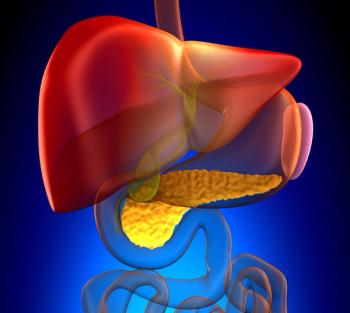
William A. Hall, MD, discussed the SOFT Preop study of preoperative SBRT vs conventional chemoradiation for pancreatic adenocarcinoma.
Chih-Yi “Andy” Liao, MD, discusses how oncologists are sequencing pemigatinib, futibatinib, and lirafugratinib and how their tolerability differs.
“It should be protocol that 100% of your patients with metastatic prostate cancer get germline testing. Full stop. No exceptions,” said Neal D. Shore, MD, FACS.
Chih-Yi “Andy” Liao, MD, discusses the FDA approval of lirafugratinib and what the field has learned about resistance to FGFR2 inhibitors.

In the phase 3 NRG-CC009 trial, SRS led to longer overall survival vs HA-WBRT plus memantine with similar neurocognitive failure in SCLC brain metastases.

In a phase 1 first-in-human trial, BMS-986453 showed a favorable safety profile and high response rates in relapsed/refractory multiple myeloma.
Advertisement
Advertisement
Trending on CancerNetwork
1
Multimodal Biopsy Combo Shows Low Morbidity in Suspected Prostate Cancer
2
BCMA/GPRC5D CAR T-Cell Therapy Shows Early Efficacy in R/R Multiple Myeloma
3
Integrating Talazoparib Plus Enzalutamide Into HRR-Mutated mHSPC Care
4
Lirafugratinib Approval Adds a Third FGFR2 Inhibitor in Cholangiocarcinoma
5