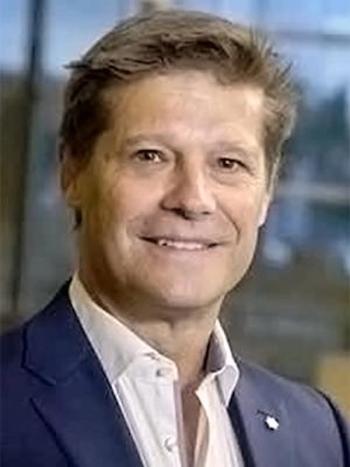
“This is the closest we have been to biomarkers replacing ultrasound,” said Amit G. Singal, MD, MS, FAASLD.
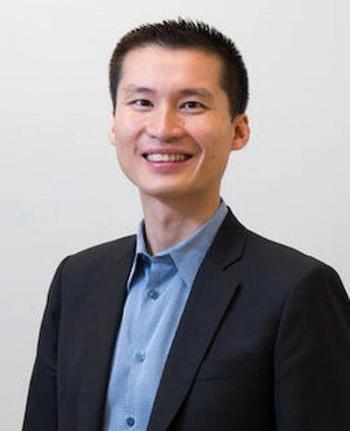
“We still do not have convincing evidence that these agents serve as HCC chemopreventive drugs,” said Yujin Hoshida, MD, PhD, of GLP-1 receptor agonists.
As hepatocellular carcinoma (HCC) shifts from a disease driven largely by viral hepatitis to one increasingly driven by metabolic liver disease, investigators are looking for ways to identify which patients are at highest risk and to prove which interventions can prevent cancer from developing.
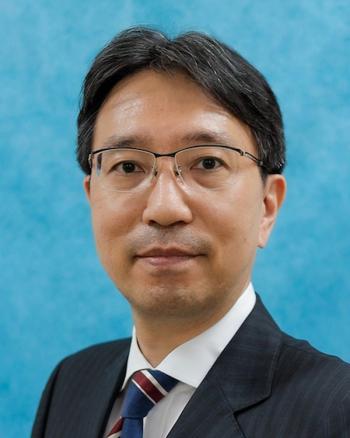
Following The Liver Meeting® 2026, CancerNetwork® spoke with Yujin Hoshida, MD, PhD, professor of internal medicine and director of the Liver Tumor Translational Research Program at UT Southwestern Medical Center, who moderated a joint session of the American Association for the Study of Liver Diseases (AASLD) and the Japan Society of Hepatology (JSH) on liver cancer prevention in the US and Japan, and presented in the meeting’s Editors Cut session on basic and translational research advances.1,2
Hoshida discussed what US oncology teams can learn from Japan’s approach to viral hepatitis, how metabolic disease is changing the population of patients with HCC, and why the evidence for GLP-1 receptor agonists as chemoprevention remains early. He also explained how his group’s serum-based prognostic liver secretome signature could shorten chemoprevention trials, where diet and exercise interventions stand, and which translational findings are closest to affecting practice.3
Hoshida: Liver cancer can be caused by either viral or metabolic etiologies, which present in slightly or very different ways between the 2 countries, so there are several differences in policy and in how these underlying liver diseases are handled. We have several things to learn. For example, Japanese physicians are doing a great job of controlling and monitoring viral hepatitis, an area where American physicians are a little behind. There is room for American physicians to catch up. [One example is] identifying patients with undiagnosed hepatitis C virus [HCV] infection.
For HCV, as I mentioned, identifying undiagnosed patients is one major issue. Recent studies have also shown that patients with fatty liver disease may respond differently to oncology therapies, so that is another area. The 2 countries have very different demographics in terms of body size, body mass index, and so on. That requires a more tailored approach for US patients and for Japanese patients.
This is one of the burning questions. We have seen very promising phase 2 and phase 3 trial data, but these are still very early phase. We still do not have convincing evidence that these agents serve as HCC chemopreventive drugs. What we are seeing is basically retrospective data in a population that is not exactly the target patient population we want to give these drugs to. We need more prospective studies to fully answer this question and clarify what the real benefit will be for patients in preventing HCC.
This is another actively studied area right now, in Japan and in the US. We are seeing several promising results showing that diet or exercise can help improve the prognosis of patients at any stage of the disease, so we will see more evidence. However, questions remain about the specifics: what exercise is required, and what can realistically be done by patients who are already living with cancer. Again, it is early in exploring this approach, but we should keep an eye on emerging studies of interventions that can realistically improve patient care.
This is one of the huge unmet needs in the field. Retrospective studies suggest that several drugs may serve as chemoprevention, but clinically proving those chemopreventive effects is a difficult, daunting task. Atorvastatin is one of those drugs, and we are still seeking an answer on its usefulness for prevention. The major reason is that a clinical trial proving a preventive effect can take 10 or 20 years, which is well outside the typical time frame of an oncology clinical trial. We hope to show the usefulness of this type of surrogate biomarker so trials can be done much faster, with much smaller patient sample sizes, for many possibly promising agents, including the newly emerging GLP-1 receptor agonists.
As we discussed at the session, we have seen several promising approaches on the horizon. The first is improving the efficacy of immune-based oncology therapies. Several innovative approaches seem very promising and have high translational potential to impact patient care. We are also seeing recent studies shed light on the underlying molecular mechanisms of more challenging cancer types. For example, cholangiocarcinoma is far more heterogeneous than HCC, but recent multicenter omics-based studies have identified, in many cases, very unexpected underlying biology. That will inform how we can identify the disease at an early, curable stage. Another example is rare types of liver cancer, such as congenital heart disease–associated liver cancer, which is another understudied area. We highlighted this evidence, which will impact patient care in the foreseeable future.