



Skin Cancer & Melanoma
Latest News
Advertisement
Latest Videos


Podcasts




CME Content




























Advertisement
More News
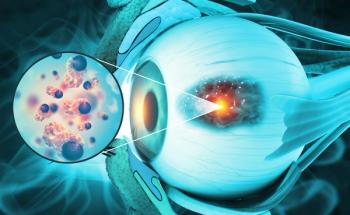
Findings from the OptimUM-02 trial may support a new potential therapeutic standard for patients with HLA-A*02:01–negative metastatic uveal melanoma.

Neoadjuvant ipilimumab plus nivolumab and relatlimab achieved a major pathologic response in 73.7% of patients with resectable stage III/IV melanoma.
Data from the KEYNOTE-942 trial confirmed a durable benefit with intismeran plus pembrolizumab among patients with high-risk melanoma.

In 897 patients with advanced melanoma treated with ICI, conditional 5-year PFS rose from 29% at baseline to 91% for those progression-free at 4 years.

An OS of 32.9 months was noted with RP1 plus nivolumab for patients who had progressed on prior anti-PD-1 therapy with advanced melanoma.
Statistical significance was not met with either dose level of fianlimab plus cemiplimab compared with the control arm for patients with advanced melanoma.
Muhammad Umair Mushtaq, MD, explains how TIL therapy offers a 30% response rate for patients with metastatic melanoma in whom prior treatments have failed.
Muhammad Umair Mushtaq, MD, discussed the evolution of TIL therapy in melanoma, focusing on first-line treatment potential and immune fitness.

iSCIB1+ continues to be studied in the SCOPE trial for patients with advanced melanoma.
Key data from the ATLAS-IT-05 study showed the activity of the oncolytic peptide ruxotemitide plus pembrolizumab in refractory metastatic melanoma.
Paul Nathan, MBBS, PhD, FRCP, highlighted the favorable 5-year OS results of tebentafusp for patients with HLA-A*02:01–positive uveal melanoma.
The 5-year OS rate was 16% and 8% in the tebentafusp and control arms, respectively, for patients with HLA-A*02:01–positive uveal melanoma.
Sarah Weiss, MD, discussed key IGNYTE trial findings of RP1 and nivolumab in patients with advanced melanoma who progressed on prior anti-PD-1 therapy.
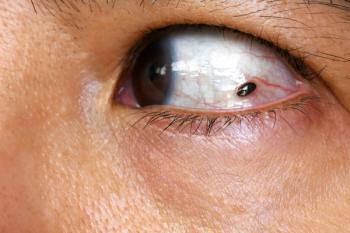
PFS showed statistically significant improvement with darovasertib plus crizotinib in the first line for patients with HLA-A*A2:01–negative metastatic uveal melanoma.
The FDA cited that the data provided for RP1 were insufficient and did not provide substantial evidence of effectiveness for this population.
Jamin C. Morrison, MD, discussed the shift toward personalized cancer vaccines in melanoma.
The SkinJect data set found an overall response rate of approximately 80% for patients with nodular basal cell carcinoma receiving 200 µg of doxorubicin microneedle array.
DecisionDx-Melanoma’s i31-SLNB accurately predicted low nodal positivity and high recurrence-free survival in patients with cutaneous melanoma.
SkinCure Oncology filed a federal lawsuit against CMS and HHS to challenge the elimination of reimbursement for image-guided radiation therapy for nonmelanoma skin cancer.

A clinical clearance rate of 73% was noted among patients with basal cell carcinoma receiving 200 ug of doxorubicin microneedle array.

Explore the latest clinical data and therapeutic strategies for acral, mucosal, and uveal melanomas from Mark B. Faries, MD, FACS.
James Larkin, MD, PhD, highlighted toxicities associated with immune checkpoint inhibitors in melanoma at a recent Physicians Education Resource meeting.
Omid Hamid, MD, presented at the 22nd Annual International Symposium on Melanoma and Other Cutaneous Malignancies on the evolving landscape of perioperative immunotherapy and targeted therapy.
Researchers analyzed postoperative complications and survival outcomes in patients with melanoma who underwent therapeutic lymph node dissection.
Aminolevulinic acid plus red lamp therapy was given an sNDA by the FDA for the treatment of superficial basal cell carcinoma.
Advertisement
Advertisement
Trending on CancerNetwork
1
How Robotic Surgery Is Reshaping GI Cancer Operations and Surgeon Careers
2
Palbociclib in Low- and Middle-Income Countries: A Systematic Review and Meta-Analysis of Generic Bioequivalence and Real-World Clinical Outcomes
3
Practical Takeaways for Starting Neladalkib in ALK+ NSCLC
4
Why CELMoDs Work After Lenalidomide Refractoriness in Multiple Myeloma
5