



Radiation Oncology
Latest News
Advertisement
Latest Videos









































































Advertisement
More News

Testing a patient’s genetics may influence decisions such as using longer courses of radiotherapy, says Rachit Kumar, MD.

Multidisciplinary collaboration may help in minimizing the treatment burden among patients with prostate cancer, according to Curtiland Deville Jr, MD.

The phase 3 MIRAGE trial findings show that PROSTOX ultra was validated as a biomarker to predict genitourinary toxicity following SBRT.

Experts from Sibley Memorial Hospital discuss how multidisciplinary work has enhanced outcomes such as survival and resource use at their institution.

A radiation oncologist discussed challenges related to the radiation oncology space as well as ongoing developments in the field highlighted at ACRO.

“You have to come up with a novel twist in order to make an impactful study or get your own unique data set…” James B. Yu, MD, MHS, FASTRO, said in regard to creating interesting research.
A lot of James B. Yu’s research begins with something as simple as a question from a patient regarding what aspects of treatment may be most beneficial.
In radiation oncology, renal cancers are experiencing the greatest levels of change and growth, according to James B. Yu.

Retrospective data may offer actionable guidance for clinicians treating patients with non–small cell lung cancer and brain metastases.

James B. Yu, MD, MHS, FASTRO, didn’t always envision himself as a radiation oncologist, but now works tirelessly to treat patients and advance research for genitourinary cancers.
Factors such as World Health Organization status appeared to correlate with early mortality in an elderly non–small cell lung cancer cohort.
Radiotherapy plus camrelizumab and platinum-doublet chemotherapy showed manageable toxicity in untreated non–small cell lung cancer with brain metastases.

Data support cetuximab/radiotherapy as a suitable option in carefully selected patients with HPV-negative squamous cell carcinoma of the head and neck.
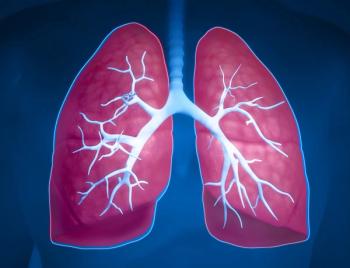
A single-arm phase 2 study assessed local consolidative therapy regimens in patients with oligometastatic stage IV non–small cell lung carcinoma.

Although not hitting its primary end point, a phase 2 trial showed that SBRT plus concurrent radiotherapy improved on results elicited in other trials.

Data from the phase 3 OPERA trial support contact X-ray brachytherapy boost as a treatment option for preserving organs in smaller rectal adenocarcinoma tumors.
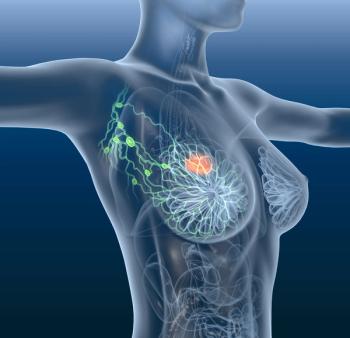
Analysis of NRG/RTOG 9804 and E5194 trials found tamoxifen significantly reduced invasive ipsilateral breast recurrence in patients with “good risk” DCIS treated without RT.
Uterine transposition, a surgical approach preserving fertility by moving the uterus out of the radiation field, may improve gynecologic cancer outcomes.

Although accuracy remains a focus in whole-body MRI testing in patients with Li-Fraumeni syndrome, comfortable testing experiences may ease anxiety.

Patrick Oh, MD, highlights next steps for further research in treating patients with systemic therapy in addition to radiotherapy for early-stage NSCLC.
Increased use of systemic therapies, particularly among patients with high-risk node-negative NSCLC, were observed following radiotherapy.

Heather Zinkin, MD, states that reflexology improved pain from chemotherapy-induced neuropathy in patients undergoing radiotherapy for breast cancer.

A prospective trial may help affirm ctDNA as a non-invasive option of predicting responses to radiotherapy among those with gynecologic cancers.
Interest in novel therapies to improve outcomes initiated an investigation of the use of immunotherapy in early-stage non-small cell lung cancer.
ctDNA reductions or clearance also appeared to correlate with a decrease in disease burden during the pre-boost phase of radiotherapy.
Advertisement
Advertisement
Trending on CancerNetwork
1
FDA Approves Pimicotinib for Tenosynovial Giant Cell Tumors
2
Pasritamig Plus JNJ-9401 Yields 73% PSA Response in Metastatic CRPC
3
Nogapendekin Alfa/BCG Earns Israeli Approval in BCG-Unresponsive NMIBC
4
Evolving Perioperative Treatment Landscape for Resectable Gastric and Gastroesophageal Junction Cancers: A Q&A with Dr Nataliya Uboha
5