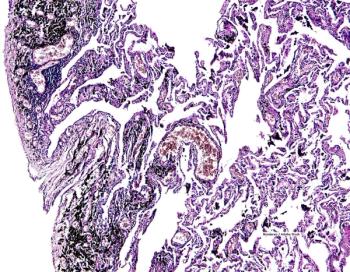
In recent years, advances in the molecular analysis of tumors and pathologic investigation have improved understanding of an ambit of lung cancer types.
In recent years, advances in the molecular analysis of tumors and pathologic investigation have improved understanding of an ambit of lung cancer types.
Four or more biopsies proffer little additional benefit, found a study presented at the IASLC 19th World Conference on Lung Cancer.
Pembrolizumab plus chemotherapy failed to improve survival compared with pembrolizumab alone in patients with non–small-cell lung cancer.
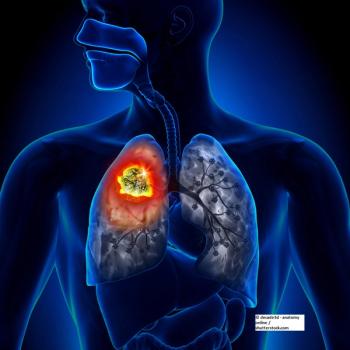
Two presentations at the IASLC WCLC 2018 discussed the evidence on treating breathlessness with pharmacologic vs nonpharmacologic therapy.

Participating in a 12-week physical exercise and psychosocial intervention improved the functional capacity of patients with advanced-stage lung cancer, which may result in improvement in quality of life, according to the results of a study presented at the World Conference on Lung Cancer.
Treating patients with early-stage, resected, node-positive non–small-cell lung cancer with customized chemotherapy based on BRCA1 expression levels did not increase overall survival rates.
Quality of life was not improved with the use of early palliative care for patients recently diagnosed with malignant pleural mesothelioma, according to data presented at the World Conference on Lung Cancer.
Small-cell lung cancer patients with high tumor mutation burden treated with immunotherapy had greater objective response rate, progression-free survival, and overall survival compared with patients with medium or low tumor burden.

In this interview we discuss a new trial involving the antibody-drug conjugate IMMU-132 as well as the future of chemotherapy in the treatment of lung cancer.

A high number of patient life-years are lost to regulatory delays for drug approvals, according to an analysis presented at the 2015 World Conference on Lung Cancer.
Patients with stage IV squamous cell lung cancer positive for an EGFR gene copy number biomarker saw a survival benefit when adding cetuximab to chemotherapy.

Seventy-five percent of patients diagnosed with metastatic adenocarcinoma of the lung before age 40 have an actionable mutation, according to preliminary results from the Genomics of Young Lung Cancer Study.
The incidence of NSCLC among self-reported never-smokers appears to be increasing, according to authors of two retrospective studies presented at the 2015 World Conference on Lung Cancer.
The newly revised 8th edition of the tumor, node, and metastasis (TNM) classification of lung cancer will improve the precision of staging and provide physicians with new data with which to treat patients.
The investigational agent IMMU-32 is well-tolerated in patients with previously-treated metastatic lung cancer, and interim survival data are “encouraging.”
Adding the angiogenesis inhibitor bevacizumab to standard cisplatin/pemetrexed chemotherapy prolonged survival by more than 2 months among patients with malignant pleural mesothelioma.
Postsurgical chemo-immunotherapy offers improved survival rates for patients with NSCLC, compared to adjuvant chemotherapy alone, according to a small phase III study.
Treatment with nivolumab and ipilimumab is clinically active and has a manageable safety profile for chemotherapy-naive patients diagnosed with advanced NSCLC.
Oncology teams need to spot emerging immune-related adverse events associated with immunotherapies early in order to avoid treatment discontinuation.