

Second-line fruquintinib plus paclitaxel did not sustain sufficient efficacy for patients with advanced gastric or GEJ adenocarcinoma to support approval in China.
Second-line fruquintinib plus paclitaxel did not sustain sufficient efficacy for patients with advanced gastric or GEJ adenocarcinoma to support approval in China.

The decision follows phase 3 EV-302 trial findings showing improved survival with enfortumab vedotin plus pembrolizumab vs chemotherapy in urothelial cancer.

The EGFR-MET bispecific antibody amivantamab in combination with chemotherapy yielded a survival benefit compared with chemotherapy alone for EGFR-mutated NSCLC.

The European Commission’s decision represents the first regulatory approval of odronextamab for patients with follicular lymphoma or DLBCL.

Phase 2 data support the National Medical Products Administration’s approval of fulzerasib for those with KRAS G12C–mutated NSCLC in China.

Conditional marketing authorization for epcoritamab in the European Union is based on findings from the phase 1/2 EPCORE NHL-1 trial.

In Japan, liso-cel recently received approval for patients with previously treated relapsed/refractory follicular lymphoma.
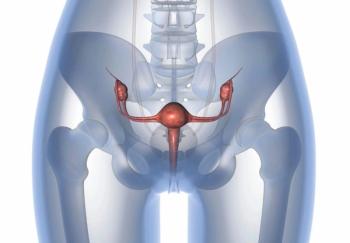
Subgroup analysis data from DUO-E support the European approval of durvalumab-based treatment in primary or recurrent endometrial cancer.

Data from the phase 3 MELATORCH study support the supplemental new drug application for frontline toripalimab in unresectable or metastatic melanoma.

Frontline zolbetuximab plus chemotherapy is one step closer to approval by the European Commission for select patients with advanced gastric/GEJ cancer.
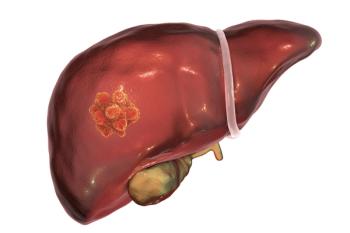
Survival results from the phase 3 CheckMate –9DW trial support the application for the combination therapy in treating hepatocellular carcinoma.

Data from DREAMM-7 and DREAMM-8 support the marketing authorization application for the belantamab mafodotin combinations in multiple myeloma.
Findings from the phase 3 FLAURA2 trial support the European approval of osimertinib/chemotherapy in EGFR-mutated non–small cell lung cancer.

A statistically significant and clinically meaningful improvement in progression-free survival in the phase 3 trial DUO-E support the recommendation.
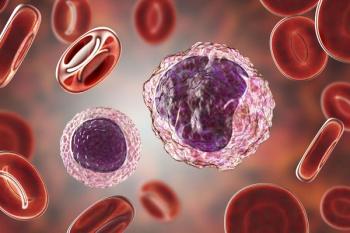
Findings from ELM-1 and ELM-2 support the positive opinion for odronextamab as a treatment for relapsed/refractory follicular lymphoma and DLBCL.

The European Commission is expected to decide on approving epcoritamab in relapsed/refractory follicular lymphoma later in 2024.

The approval for osimertinib/chemotherapy by the Japanese Pharmaceuticals and Medical Device Agency was based on results from the phase 3 FLAURA2 trial.

Approved for use in newly diagnosed and previously treated myelofibrosis, momelotinib may addresses key manifestations of the disease.

Data from FRESCO-2 support the approval of fruquintinib for those with previously treated metastatic colorectal cancer in the European Union.

The European Medicines Agency will begin a centralized review process for subcutaneous nivolumab across multiple solid tumor indications.

Golidocitinib monotherapy had a superior clinical benefit in patients with relapsed/refractory peripheral T-cell lymphoma vs existing treatments.

Data from CAPItello-291 support the approval of capivasertib/fulvestrant for ER-positive, HER2-negative breast cancer in the European Union.

Data from the phase 3 ALINA trial support the approval of alectinib for patients with ALK-positive non–small cell lung cancer in the European Union.
The CheckMate -901 trial led to the approval of the nivolumab combination for unresectable or metastatic urothelial carcinoma in the European Union.

CheckMate-8HW assessed the efficacy of first-line nivolumab plus ipilimumab in patients with MSI-H/dMMR metastatic colorectal cancer.

Amivantamab/chemotherapy has been recommended for approval by the CHMP in advanced non–small cell lung cancer with EGFR exon 20 insertion mutations.

Findings from the CheckMate-901 trial support the CHMP’s positive opinion of nivolumab plus chemotherapy in metastatic urothelial carcinoma.

Those with high-risk biochemical recurrent non-metastatic hormone-sensitive prostate cancer can now receive enzalutamide in the European Union.

Findings from the phase 3 CARTITUDE-4 trial support the European approval of ciltacabtagene autoleucel for relapsed/refractory multiple myeloma.

A series of phase 3 findings support the European approval of tislelizumab as a first-line and second-line treatment for non–small cell lung cancer.