

If momelotinib receives approval in the European Union, it will become the only agent for the treatment of myelofibrosis coupled with moderate to severe anemia.
If momelotinib receives approval in the European Union, it will become the only agent for the treatment of myelofibrosis coupled with moderate to severe anemia.

Data from the phase 3 RUBY/ENGOT-EN6/GOG3031/NSGO trial support the use of frontline dostarlimab plus chemotherapy for dMMR/MSI-H primary advanced or recurrent endometrial cancer.

Data from the phase 3 KEYNOTE-091 trial supported the European Commission’s approval of pembrolizumab as an adjuvant treatment for adults with non–small cell lung cancer at high risk of recurrence following complete resection and platinum-based chemotherapy.

The Canadian approval of relugolix for advanced prostate cancer is based on findings from the phase 3 HERO study.

Data from the phase 3 ECHELON-1 trial support the European Commission’s approval of brentuximab vedotin plus chemotherapy as a treatment for those with CD30-positive stage III Hodgkin lymphoma.
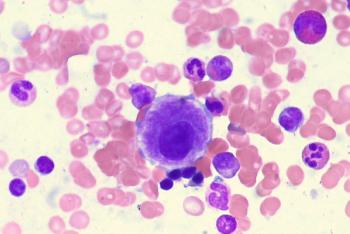
The marketing authorization application for imetelstat in lower-risk myelodysplastic syndrome is based on findings from the phase 3 IMerge trial.
The conditional marketing approval of epcoritamab in relapsed/refractory diffuse large B-cell lymphoma is based on data from the phase 1/2 EPCORE NHL-1 study.

The agent, which is a recombinant Erwinia asparaginase or crisantaspase, can be given to those with acute lymphoblastic leukemia and lymphoblastic lymphoma intravenously and intramuscularly.

The regulatory decision to approve elacestrant in European patients with estrogen receptor–positive, HER2-negative locally advanced or metastatic breast cancer and an activating ESR1 mutation was based on data from the phase 3 EMERALD study.

Data from the phase 3 ASCERTAIN trial support the European Commission’s approval of oral decitabine and cedazuridine as a treatment for those with newly diagnosed acute myeloid leukemia.

Data from a previous MPN LANDMARK survey highlight that many patients with polycythemia vera experience symptoms that lead to reduced quality of life.

Data from the phase 2 JACKPOT8 PARTB study support the new drug application for golidocitinib as a treatment for relapsed/refractory peripheral T-cell lymphoma in China.

Findings from the phase 3 THOR study support the marketing authorization application for erdafitinib as a treatment for those with advanced or metastatic urothelial cancer harboring FGFR3 alterations.

Data from the phase 3 ASCEND trial and a phase 1/2 trial support the National Medical Products Administration’s approval of acalabrutinib in China as a treatment for chronic lymphocytic leukemia.

Data from the phase 3 KEYNOTE-811 trial highlight a trend towards improved overall survival among patients with HER2-positive, PD-L1–positive advanced gastric or gastroesophageal junction adenocarcinoma receiving pembrolizumab, trastuzumab, and chemotherapy.

Findings from the phase 1/2 MajesTEC-1 study support the European Commission’s approval of teclistamab at a reduced dose frequency for patients with relapsed/refractory multiple myeloma.

Data from the phase 3 CheckMate-76k trial support the European Commission’s approval of nivolumab as an adjuvant treatment for patients with resected stage IIB or IIC melanoma.
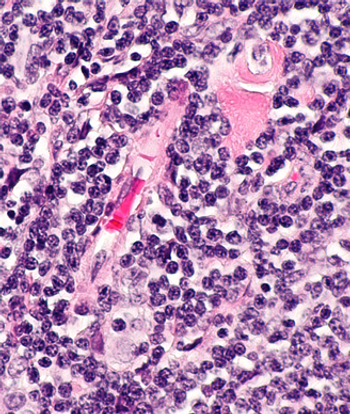
Data from the phase 1 ELM-1 trial and phase 2 ELM-2 trial support the marketing authorization application for odronextamab in relapsed/refractory follicular lymphoma and diffuse large B-cell lymphoma.

The approval from the European Commission is based on findings from the phase 3 TROPiCS-02 study.

JZP458 is part of a multi-agent chemotherapy regimen for lymphoblastic lymphoma and acute lymphoblastic leukemia, and can be used for adult and pediatric patients.

The European Commission will evaluate elacestrant in locally advanced or metastatic breast cancer after receiving a positive opinion on approval from the CHMP.

Findings from the phase 3 KEYNOTE-811 trial support the CHMP’s recommendation to approve pembrolizumab plus trastuzumab in HER2-positive advanced gastric or gastroesophageal junction adenocarcinoma.

Results from the phase 1/2 NP30179 trial led the European Commission to grant conditional marketing authorization to patients with relapsed/refractory diffuse large B-cell lymphoma.

Data from the phase 2 ROCKstar trial support the approval of belumosudil as a treatment for patients with chronic graft-versus-host-disease in Scotland.

Approval of the Droplex EGFR Mutation Test v2 may improve access to appropriate targeted therapies for patients with EGFR-mutated non–small cell lung cancer in Korea.
Data from the phase 3 CheckMate 816 trial support the European Medicines Agency’s Committee for Medicinal Products for Human Use recommendation to approve nivolumab plus platinum-based chemotherapy as a treatment for resectable non–small cell lung cancer.

Supporting data for the supplemental new drug application for toripalimab plus chemotherapy in recurrent metastatic triple-negative breast cancer come from the phase 3 TORCHLIGHT study.

China’s National Medical Products Administration has also approved zanubrutinib as a treatment for patients with Waldenström macroglobulinemia based on findings from the phase 3 ASPEN trial.

Patients in Canada who have advanced non–small cell lung cancer can now receive cemiplimab plus chemotherapy as a first-line treatment following Health Canada’s approval of the regimen.
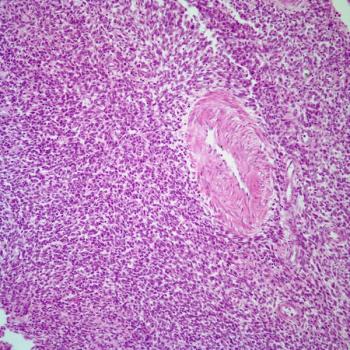
The European Medicines Agency validates the potential indication of dostarlimab/chemotherapy in mismatch repair deficient/microsatellite instability–high endometrial cancer based on the phase 3 RUBY trial.