
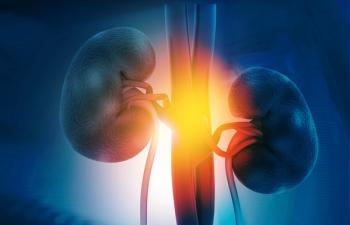
Adjuvant pembrolizumab resulted in a reduction in the risk of death in patients with ccRCC.
Adjuvant pembrolizumab resulted in a reduction in the risk of death in patients with ccRCC.

Treatment with nivolumab did not reach the primary endpoint of disease-free survival when compared with placebo in patients with localized renal cell carcinoma at high risk of relapse after nephrectomy in the phase 3 CheckMate 914 trial.

Lenvatinib plus pembrolizumab showed a 70% probability of greater OS benefit among patients with advanced renal cell carcinoma.

Results from the phase 2 KEYNOTE-B61 trial showed prolonged survival in patients with advanced non–clear cell renal cell carcinoma.

Testing for HRR status prior to a diagnosis of metastatic castration-resistant prostate cancer may allow for earlier treatment and potentially greater clinical benefit with olaparib, according to Daniel J. George, MD.
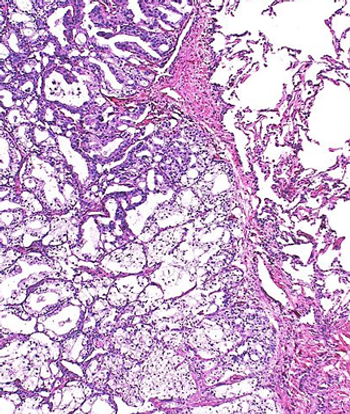
Results from a post hoc sensitivity analysis of the phase 3 ARASENS trial appear to affirm the primary overall survival analysis findings.

Data from the GETUG-AFU 18 trial support high-dose radiation plus long-term androgen deprivation therapy as a standard of care in high-risk prostate cancer.
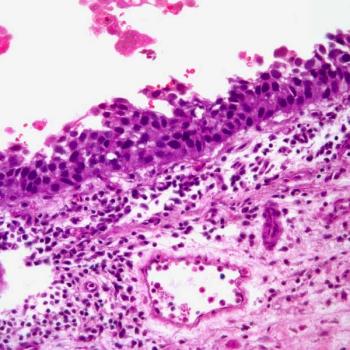
Supporting data for the EMA comes from the phase 3 EV-302 trial, which assessed the efficacy of enfortumab vedotin in combination with pembrolizumab compared with chemotherapy.

Four of 5 patients with prostate cancer and ctDNA positivity had disease progression following treatment with darolutamide plus androgen deprivation therapy in a phase 2 trial.

Six months of intensified androgen deprivation therapy plus next-generation anti-androgens may be an attractive option for those with prostate cancer and rising prostate specific antigen levels following prostatectomy.
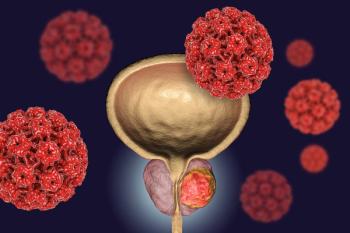
The overall incidence of bone fractures with prior EBRT to the bone in patients with metastatic castration-resistant prostate cancer remains low.
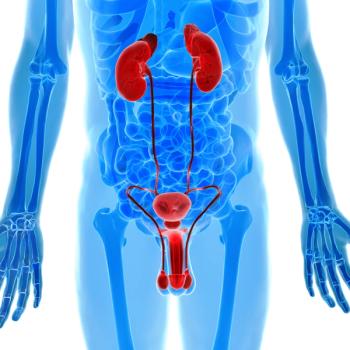
Additional education on tumor testing and PARP inhibitor therapy is warranted for patients with metastatic castration-resistant prostate cancer, according to Neal Shore, MD, FACS.

Findings support cabozantinib plus atezolizumab as a potential new treatment option for those with metastatic castration-resistant prostate cancer that has progressed on a novel hormonal therapy.

The FDA previously granted approval to frontline olaparib plus abiraterone/prednisone in May 2023 for BRCA1/2–, DDR–altered metastatic castration-resistant prostate cancer.

Darolutamide correlates with a marginally longer length of stay per hospitalization compared with placebo among those with metastatic hormone-sensitive prostate cancer.

Liver contrast-enhanced MRI resulted in a change in the local treatment plan for approximately a third of patients with colorectal liver metastases in the CAMINO study.

Treatment with pembrolizumab plus chemotherapy with or without bevacizumab yields an overall survival improvement regardless of squamous or nonsquamous cervical cancer histology.

High-grade adverse effects with zanidatamab plus palbociclib and fulvestrant seem to be uncommon in patients with HER2-positive, hormone receptor–positive, metastatic breast cancer, according to Sara Hurvitz, MD, FACP.

Patients with metastatic cancer who are receiving treatment at nonacademic or low-volume facilities appear more likely to receive end of life immunotherapy.

Expanding or updating coverage with Medicaid may lead to positive health outcomes among patients with non–small cell lung cancer following surgery, according to Leticia Nogueira, PhD, MPH.
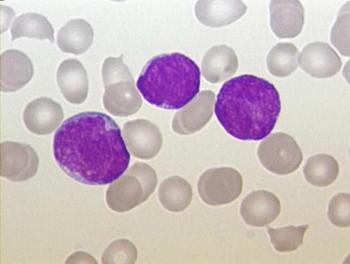
The FDA sets a Prescription Drug User Fee Action Date of November 16, 2024 for obe-cel as a treatment for those with relapsed/refractory B-cell acute lymphoblastic leukemia.

Investigators note that early interventions such as nutritional support and prehabilitation require further investigation to increase both the quality of life and overall survival for patients with esophageal cancer.

Treatment with toripalimab does not yield the same vascular toxicity seen with pembrolizumab in patients with advanced or metastatic nasopharyngeal carcinoma, according to Barbara Burtness, MD.

Adjuvant chemotherapy does not yield an improvement in ctDNA clearance compared with observation among patients with stage II colon cancer in the phase 2/3 COBRA trial.

Cancer incidence appears to have increased from 2015 to 2019 across several disease types, including breast, pancreatic, and uterine cancers.

PTX-252 incorporates a novel molecular entity designed to enhance how cancer cells respond to chemotherapy.

Risk-reducing total gastrectomy is associated with short-term and long-term physical and emotional AEs in patients with pathogenic or likely pathogenic germline CDH1 P/LP variants.

The FDA grants clearance to an oral immobilization stent designed to redirect radiation to the target tumor area for patients with head and neck cancer.
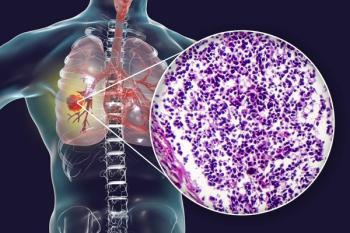
Treating patients with NSCLC with stereotactic ablative radiotherapy and chemotherapy reduces toxicity, according to a study conducted by UCLA.

Findings from the phase 1b/3 IMscin001 study support the European Commission’s approval of subcutaneous atezolizumab as a treatment for lung cancer and other disease types.