
Nab-paclitaxel elicited a pathologic complete response rate of 66.3% compared with 57.6% with docetaxel plus carboplatin, the phase 3 HELEN-006 trial found.
Nab-paclitaxel elicited a pathologic complete response rate of 66.3% compared with 57.6% with docetaxel plus carboplatin, the phase 3 HELEN-006 trial found.
Results from a phase 1a trial showed that NX-5948 yielded an overall response rate of 77.8% in later lines of treatment for patients with WM.
Here are 3 things you should know about immunotherapy in diffuse large B-cell lymphoma.

Kidney cancer advocacy efforts have spread the urgency and importance of funding research in the field to members of Congress.
Data from the phase 3 MSB-GVHD001 trial support the FDA approval of remestemcel-L in pediatric SR-aGVHD.
Data from the phase 3 eXalt3 trial support the approval of ensartinib in adult patients with metastatic ALK-positive non–small cell lung cancer.

SABCS 2024 saw a variety of potentially practice-changing findings on novel antibody drug conjugates, biomarker data, and surgical interventions.
Sacituzumab govitecan showed promising response and survival data in the extensive-stage small cell lung cancer cohort of the phase 2 TROPiCS-03 trial.
Multiple targeted therapies/sequencing possibilities are available following elacestrant’s approval for patients with breast cancer, Maxwell Lloyd, MD, said.

Advocacy efforts have yielded a dramatic increase in kidney cancer research, according to Elizabeth P. Henske, MD.
Safety results from a phase 2 trial show that most toxicities with durvalumab treatment were manageable and low or intermediate in severity.
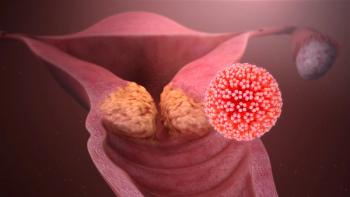
Results from the phase 3 KEYNOTE-826 trial show that the safety profile of pembrolizumab plus chemotherapy was manageable in cervical cancer.
The phase 3 KeyVibe-003, KeyVibe-007, and KEYFORM-008 trials investigating vibostolimab and favezelimab have been discontinued.
Since elacestrant’s emergence in the real-world setting, it has demonstrated superior efficacy outcomes compared with what the EMERALD study found.
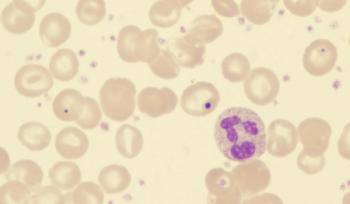
Results from the phase 3 AVA-PED-301 trial support the FDA decision for avatrombopag in pediatric thrombocytopenia.

Objective response data from the CK-301-101 trial supports cosibelimab’s approval by the FDA, according to Jason J. Luke, MD, FACP.
Median duration on bezuclastinib was 56 weeks vs 40 weeks for placebo in non-advanced systemic mastocytosis, the phase 2 Summit trial reported.
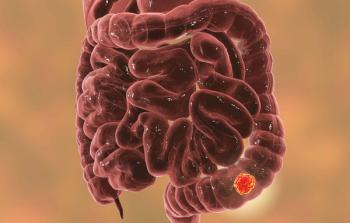
Dostarlimab achieved a 100% clinical complete response rate in patients with dMMR/MSI-H advanced rectal cancer, a phase 2 study found.
Updated results from the 1b/2 ELEVATE study elucidate synergizing effects observed with elacestrant plus targeted therapies in ER+/HER2– breast cancer.

Two oncologists discuss the impact of advocacy in kidney cancer research, highlighting collaboration between researchers, advocates, and physicians.
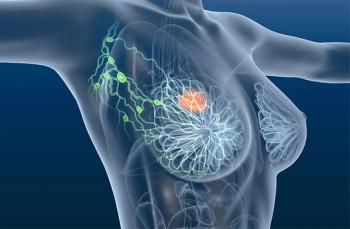
Patients with ER+/HER2– advanced breast cancer saw positive efficacy and safety data following treatment from the SERENA-1 trial.
Patients with ESR1+, ER+/HER2– breast cancer resistant to chemotherapy may benefit from combination therapy with elacestrant.
Ultra-sensitive ctDNA testing identified ctDNA at baseline in patients with HR–positive breast cancer, results from the PELOPS trial showed.
From 2013 to 2022, the rate of important identified risks associated with ponatinib in the treatment of those with ALL or CML had decreased.
Cosibelimab has been approved by the FDA as a treatment for patients with cutaneous squamous cell carcinoma.
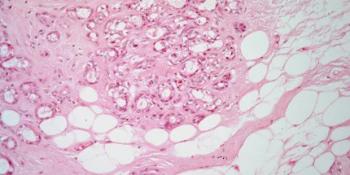
More than 80% of the SENTRY trial population had alleviation of their myelofibrosis-associated symptoms following treatment with selinexor/ruxolitinib.
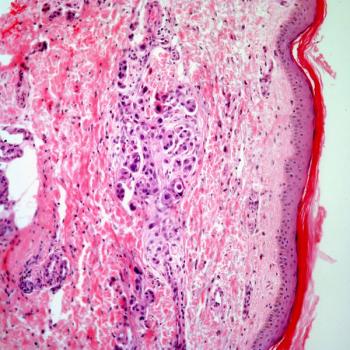
Atezolizumab with chemotherapy did not yield a significant increase to event-free survival compared with placebo with chemotherapy, 85.2% vs 81.9%, respectively.
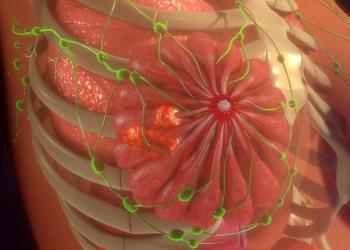
Of 18 patients with BRCA-mutated ER+/HER2– breast cancer, 3 had a pathological complete response when treated with niraparib plus dostarlimab.
The phase 3 CamRelief study reported a pathologic complete response rate of 56.8% for camrelizumab plus chemo compared with 44.7% for chemo alone.