

As a gynecologic oncology surgeon, Mario M. Leitao, MD, FACOG, FACS, highlights how his career has evolved through using robotic surgery, new fertility preservation techniques, and his contributions to the research field.
As a gynecologic oncology surgeon, Mario M. Leitao, MD, FACOG, FACS, highlights how his career has evolved through using robotic surgery, new fertility preservation techniques, and his contributions to the research field.

Phase 3 CheckMate-8HW trial results evaluating the combination in microsatellite instability–high or mismatch repair deficient CRC supported the decision.

Other ongoing urothelial cancer trials are assessing enfortumab vedotin–based combinations in the neoadjuvant setting.

The approval of sotorasib plus panitumumab is a “welcome step” in KRAS G12C-mutated colorectal cancer, according to Marwan G. Fakih, MD.

Data show that rucaparib yielded a median OS of 19.4 months compared with 25.4 months with chemotherapy in relapsed BRCA-mutated ovarian carcinoma.
Given resource scarcity, developing practice strategies for resource-constrained settings would require aid from commercial and government stakeholders.
Approximately 95% of those with a complete response to enfortumab vedotin plus pembrolizumab were alive after 2 years in the phase 3 EV-302 trial.
According to Megan Mullins, PhD, MPH, challenging cultural norms surrounding death and dying may reduce the receipt of low-value end-of-life cancer care.

When pembrolizumab is combined with immunotherapies, the incidence of grade 3 to 5 toxicities increases, especially with anti–CTLA-4 combinations.

Hematology oncology experts discuss recent developments in CAR T-cell therapies as well as bispecific therapies for the treatment of patients with R/R MM.
Thomas Powles, MBBS, MRCP, MD, highlighted fatigue, nausea, and peripheral neuropathy as toxicities observed with enfortumab vedotin plus pembrolizumab.

Data presented at 2025 ASCO GU reinforce the use of agents like nivolumab, cabozantinib, and darolutamide across different genitourinary malignancies.
“We’ve seen with the initial anti-CTLA-4 ipilimumab experience that, as time went by, we were better at identifying and managing toxicities,” stated Omid Hamad, MD.

Tambiciclib plus zanubrutinib doubled the expected ORR of zanubrutinib monotherapy, eliciting an ORR of 67% in patients with relapsed or refractory DLBCL.
Earlier and more frequent talks about disabling ICDs with patients receiving end-of-life care and their families may help avoid excessive pain.

DOGE hopes to solve rampant inefficiencies in US healthcare that contribute to unsustainable costs and a broken system by cutting spending and administrative waste.
Large international meetings may facilitate conversations regarding disparities of care outside of high-income countries.
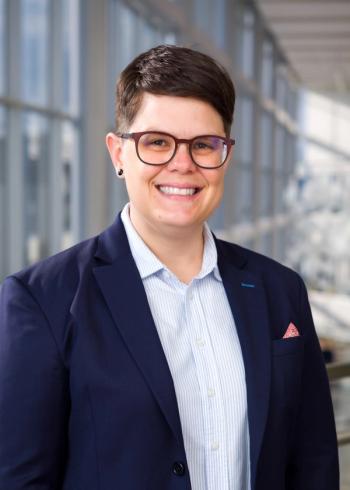
Understanding patient preferences for intensive end-of-life treatment may better inform research assessing patients with terminal cancer diagnoses.
A pooled analysis found pembrolizumab has a discontinuation rate of 12.7%, and a major key to handling it is maintaining good communication between the doctor and the patient.

Results from the phase 1/2a SeCuRE trial support the FDA decision for patients with metastatic castration-resistant prostate cancer.

Investigators will assess treatment with petosemtamab among patients with PD-L1–positive HNSCC in the phase 3 LiGeR-HN1 and LiGeR-HN2 trials.
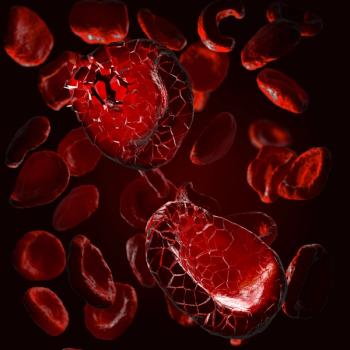
Tips from experts on how to think about and manage adverse events in patients with diffuse large B-cell lymphoma.

“Even after doing 10,000 of these operations, we are tweaking [the hood technique]…to make things better,” according to Ash Tewari, MD, MBBS, MCh, FRCS.
Updated findings from the phase 3 EV-302 trial show enduring responses and survival improvements with enfortumab vedotin plus pembrolizumab.

Updated, comprehensive OS results with the combination in resectable NSCLC will be shared in a future peer-reviewed setting.

Efficacy results from cohort 1 of the phase 1b Beamion LUNG-1 trial support the decision to review zongertinib in HER2-mutant advanced NSCLC.
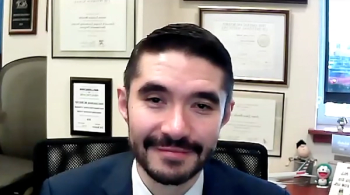
AI-powered tools may help alleviate doctor burnout and give clinicians more time to directly engage with patients.

Experts discuss epithelioid sarcoma diagnosis, management, and targeted therapies, and highlight 3 things everyone should know about treatment.

The FDA has accepted an NDA and set a PDUFA date of August 18, 2025, for the decision on dordaviprone in H3 K27M-mutant diffuse glioma.

Adverse physical functions were indicative of reduced survival and increased risk of ICANS in patients with non-Hodgkin lymphoma who were previously treated with CAR T-cell therapy.