
Revumenib, which was given a breakthrough therapy designation by the FDA, may be beneficial in the management of relapsed or refractory KMT2A-rearranged acute leukemia based on data from the phase 1 AUGMENT-101 trial.
Revumenib, which was given a breakthrough therapy designation by the FDA, may be beneficial in the management of relapsed or refractory KMT2A-rearranged acute leukemia based on data from the phase 1 AUGMENT-101 trial.

Treatment with dostarlimab plus chemotherapy demonstrated a statistically significant improvement in progression-free survival compared with placebo and chemotherapy among patients with advanced or recurrent endometrial cancer.

The EGFR inhibitor neratinib may be effective in the treatment of non-small cell lung cancer, according to updated interim findings from the phase 2 SUMMIT trial.

A panel of experts discusses the treatment approaches to three clinical cases of multiple myeloma in the context of data presented at recent meetings and reviews how it can be applied to daily clinical practice.
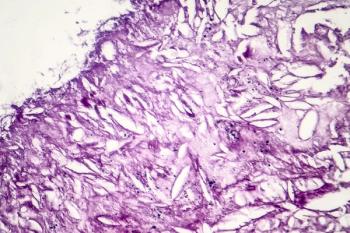
A secondary analysis from the phase 3 SWOG S1404 trial indicated that adjuvant pembrolizumab yielded improved patient-reported outcomes compared with high-dose interferon α or ipilimumab in the treatment of patients with high-risk resected melanoma.

The FDA has followed the recommendation of its Oncologic Drugs Advisory Committee and issued a complete response letter denying approval to 131I-omburtamab as a treatment for central nervous system and leptomeningeal metastases stemming from neuroblastoma.

The multi-kinase inhibitor AUM302 received orphan drug designation from FDA for the treatment of neuroblastoma.

Long-term follow-up showed that the use of pembrolizumab monotherapy maintained durable complete responses, while rates of upstaging at the time of radical cystectomy were consistent with previous findings in the KEYNOTE-057 trial in patients with a bladder cancer subset.

The findings indicate that nephron sparing management should be prioritized in elderly patients with kidney cancer when it is safe and feasible, according to the study authors.

An expert from the University of Texas Southwestern Medical Center in Dallas describes the efficacy of stereotactic radiation in the treatment of patients with metastatic kidney cancer.
The FDA’s acceptance of the biologics license application for denileukin diftitox for the treatment of patients with cutaneous persistent or recurrent T-cell lymphoma was supported by data from a pivotal phase 3 trial.
An expert from the University of Texas Southwestern Medical Center in Dallas gives an overview of the multimodal use of stereotactic radiation for the treatment of patients with metastatic kidney cancer.

The first-in-class Heat Shock Factor 1 pathway inhibitor NXP800, the subject of an ongoing phase 1 dose-escalation study, has been granted a Fast Track designation for the treatment of platinum-resistant ovarian cancer by the FDA.

According to a retrospective chart review, there was no significant correlation between BMI and changes in renal function among patients who underwent partial nephrectomy for the treatment of kidney cancer.

At a median follow-up of 17.4 months, half of the enrolled patients with metastatic castration-resistant prostate cancer experienced a decrease in PSA level from baseline following treatment with tazemetostat in combination with abiraterone acetate or enzalutamide.

The findings, according to the lead study author from UC San Diego School of Medicine, are a proof of concept and need to be confirmed in a phase 2 trial.

Findings from an interim analysis of data show that the addition of blue light cystoscopy to conventional white light significantly improved clinical outcomes in a group of patients with non–muscle-invasive bladder cancer.

All patients with chemo-naïve metastatic castration-resistant prostate cancer experienced PSA decline, and half the cohort experienced a PSA decline greater than 50% after treatment with a novel PSMA-targeted radionuclide therapy.

Patients with newly diagnosed prostate cancer benefitted from 18F-rHPSMA-7.3 PET when used prior to surgery.
An expert from the University of Texas Southwestern Medical Center in Dallas emphasized that stereotactic radiation provides oncologists with an alternative modality for treating patients with kidney cancer for whom standard ablative surgery is not an option.
The FDA’s approval of oral olutasidenib provides adults with relapsed or refractory acute myeloid leukemia harboring a susceptible IDH1 mutation a new treatment option.

Patients with cisplatin-ineligible muscle-invasive bladder cancer experienced a better rate of downstaging and improved survival benefit with neoadjuvant pembrolizumab prior to radical cystectomy vs immediate radical cystectomy.

“With more potent agents, can we actually cure patients [with prostate cancer]? I'm not so sure about that…because of heterogeneity,” said an expert from NewYork-Presbyterian – Weill Cornell Medical Center in New York City. “So we'll see. But I think with combinations, maybe someday we're going to be able to get there.”

Theranostics may fill an unmet need for a group of patients with high-risk localized prostate cancer, but more research is needed to identify how oncology providers can integrate it with the standard treatments, according to an expert from the University of Texas MD Anderson Cancer Center.

With the increasing clinical use of circulating tumor DNA biomarker testing among community urologists, an expert from Tisch Cancer Institute at Mount Sinai in New York City suggests that more prospective data are needed to make the best decisions among patients with bladder cancer.

Patients with advanced prostate cancer benefitted from relugolix vs leuprolide regardless of baseline testosterone level.

An expert from NYU Langone in New York City recently discussed the strengths and limitations of the oral tyrosine kinase inhibitor mobocertinib in platinum-pretreated patients with EGFR exon 20 insertion+ metastatic non-small cell lung cancer.
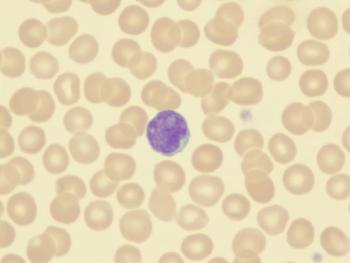
The use of hypomethylating drugs such as azacitidine and decitabine improved outcomes for patients of advanced age with acute myeloid leukemia, according to findings from a recent retrospective study of real-world data.

The FDA’s decision to grant fast track designation to batiraxcept for treating patients with advanced or metastatic clear cell renal cell carcinoma — a type of kidney cancer — was supported by data from a phase 1b trial.

Among patients with extramedullary multiple myeloma, a regimen consisting of daratumumab plus dexamethasone, cyclophosphamide, etoposide, and cisplatin yielded a complete remission rate of 35.5% and an overall response rate of 67.7%.