

Based on outcomes from a study involving patients with cancer, Medicaid may benefit from expansion in certain areas where eligibility limits hinder adequate coverage.
Based on outcomes from a study involving patients with cancer, Medicaid may benefit from expansion in certain areas where eligibility limits hinder adequate coverage.

Prostate cancer in African American men was improved with higher rates of screening for prostate-specific antigen.

Seventeen years of data indicate that HPV-related cervical cancer incidence is declining, but other tumors related to the virus persist.

Findings from the phase 3 IMpower010 trial support the use of atezolizumab as adjuvant therapy for patients with stage II to IIIA non–small cell lung cancer.

Progression-free survival more than doubled when relatlimab was added to nivolumab to treated patients with previously untreated, unresectable or metastatic melanoma.

The combination of alpelisib and fulvestrant maintained a tolerable safety profile for patients with PIK3CA-mutated, hormone receptor–positive, HER2-negative advanced breast cancer who progressed after previous treatment with a CDK4/6 inhibitor.

Based on phase 1 and 2 trial results and pooled safety data from several clinical trials, zanubrutinib moves forward with a priority review in relapsed/refractory marginal zone lymphoma.

Alessi detailed his research into cancer aneuploidy and its predictive capabilities for treating patients with non–small cell lung cancer.

In this special edition of the “Oncology Peer Review On-The-Go” podcast, CancerNetwork spoke with Vijayakrishna (VK) Gadi, MD, PhD about the current role of genomic testing in HR-positive breast cancer.

Based on results of a phase 3 trial demonstrating the superiority of sintilimab versus placebo plus chemotherapy for nonsquamous non–small cell lung cancer, the FDA considers approval of the PD-1 inhibitor injection.

Recommendations published in JAMA are set to change colorectal cancer screening guidance for all individuals in the United States.

Research utilized a convenience sample of patients to determine loneliness during the COVID-19 pandemic, emphasizing factors including anxiety, depression, and fatigue, among other things.

An observational cohort study revealed that BEAM therapy led to subpar outcomes compared with thiotepa-based treatment for patients requiring conditioning regimens for primary central nervous system lymphoma.

Look back at some of the important news and notes from last week you might have missed in the world of oncology, featuring 2 FDA breakthrough device designations and a manuscript from the journal ONCOLOGY® focusing on molecular testing practices in pancreatic adenocarcinoma.

New data show pain worsened faster, and more dramatically, in patients given placebo versus selinexor for dedifferentiated liposarcoma, as measured by the European Organisation for Research and Treatment of Cancer’s 30-item core quality of life questionnaire.

An off-the-shelf cellular therapy that combines Epstein Barr Virus–Specific T cells and a CD30-targeting chimeric antigen receptor product demonstrated safety and early efficacy in a group of patients with CD30-positive lymphomas.

Copur spoke with CancerNetwork® about the potential for a new era of cancer treatment and immunotherapy with the recent approval of mRNA vaccines to treat COVID-19.

During an After Hours segment of Medical World News®, Amy Comander, MD, spoke about her passion for marathon running and how it helps keep her inspired in her work as an oncologist.

The results from a trial evaluating the Genomic Prostate Score did not find an increase in active surveillance acceptance amongst a population of predominantly Black men with favorable-risk prostate cancer.

The Association for Clinical Oncology cites expanded patient access and health equity as reasons for implementing broader telehealth coverage across the United States.

Results presented at part of the European Society for Medical Oncology Virtual Plenary show positive results of a phase 3 trial comparing cemiplimab with chemotherapy for previously treated cervical cancer.
Investigators assessed a 2-part study to investigate the prognostic impact of certain clinical features and genomic markers for rucaparib in treating patients with relapsed high-grade ovarian carcinoma.

Pembrolizumab plus chemotherapy as neoadjuvant therapy followed by adjuvant monotherapy in patients with early triple-negative breast cancer was superior in terms of event-free survival versus matched placebo.

A clinical pharmacy specialist discusses what’s needed to get the REMS program set up and touches on reimbursement considerations for the administration of belantamab mafodotin in patients with multiple myeloma.
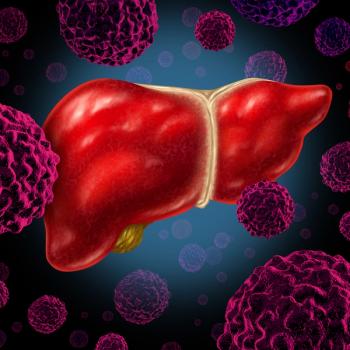
According to an economic evaluation, the use of atezolizumab plus bevacizumab is not cost effective versus sorafenib for the treatment of hepatocellular carcinoma when considering life-years gained and willingness-to-pay thresholds.

A technology that uses AI to deliver focal laser therapy to prostate tumors was granted breakthrough device designation by the FDA, which will allow for the swift development and commercialization of the product.

The long-term equivalence trial examined the rates of ipsilateral breast tumor recurrence for patients receiving electron intraoperative radiotherapy and whole-breast irradiation at 5-, 10-, and 15-year follow-up times.

Holowatyj detailed the benefits of a conference like that of the American Association for Cancer Research Annual Meeting 2021, which presents opportunities for thought leaders to come together.
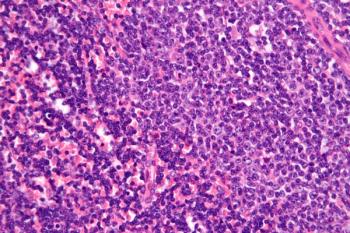
MB-106, a CD20-targeted CAR T-cell therapy that has shown promise in the treatment of B-cell non-Hodgkin lymphoma, is now being considered for patients with relapsed or refractory CD20-positive chronic lymphocytic leukemia.
FOLFIRINOX initiated before standard therapy may offer better disease-free survival for patients with rectal cancer.