

Shubham Pant, MD, spoke to the potential of ELI-002 2P as a treatment for minimal residual disease positivity in patients with KRAS-mutant solid tumors.

Your AI-Trained Oncology Knowledge Connection!
Shubham Pant, MD, spoke to the potential of ELI-002 2P as a treatment for minimal residual disease positivity in patients with KRAS-mutant solid tumors.
Benjamin Cooper, MD, discussed potential future studies exploring TAK-676 plus pembrolizumab after radiation for those with solid tumors.

Stacy A. Cohen, MD, and Mark Lewis, MD, review results from the GALAXY study on circulating tumor DNA dynamics in CRC.
Roger Li, MD, spoke about the safety profile of CG0070 plus pembrolizumab for patients with non–muscle invasive bladder cancer.
Patients with RET fusion–positive solid tumors continued to experience benefit from treatment with selpercatinib, according to extended follow-up from the phase 1/2 LIBRETTO-001 basket study.
Catherine S. Diefenbach, MD, spoke about the approval of lisocabtagene maraleucel for patients with relapsed/refractory large B-cell lymphoma who do not have chemotherapy-sensitive disease.

Patients with stage IB to IIA non–small cell lung cancer who experienced a pathologic complete response to neoadjuvant nivolumab plus platinum-based doublet chemotherapy experienced a prolonged event-free survival.
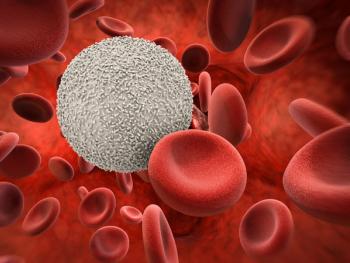
Patients with relapsed/refractory multiple myeloma who have received at least 4 prior lines of therapy might benefit from treatment with talquetamab, which was granted breakthrough therapy designation by the FDA.
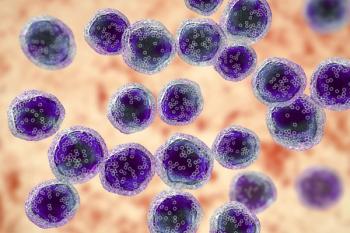
In the phase 2 Alliance A059102 trial, patients with treatment-naïve CD30-negative peripheral T-cell lymphoma will be treated with duvelisib and azacitidine plus CHOP/CHOEP chemotherapy.
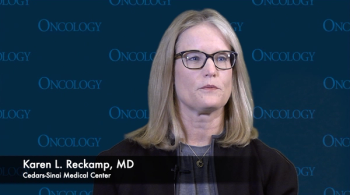
Karen L. Reckamp, MD, spoke about current other Lung-MAP and what her colleague can take away from the phase 2 substudy S1800A presented at 2022 ASCO.
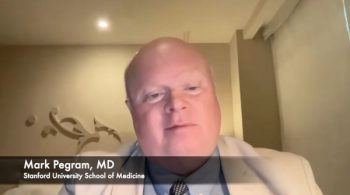
Mark Pegram, MD, spoke about predictive and prognostic factors used to determine which patients with early-stage hormone receptor–positive breast cancer benefit from extended vs standard adjuvant endocrine therapy.
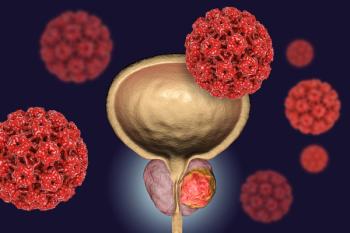
Metastatic castration-resistant prostate cancer tumors can be classified as luminal and basal, possibly allowing for a better precision medicine approach to treatment.
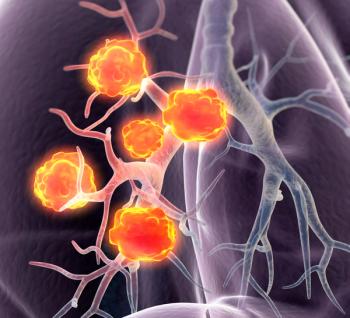
Patients with p53-mutated non–small cell lung cancer who were given ALRN-6924 completed more cycles of treatment with chemotherapy vs the placebo arm.

According to long-term data, first-line treatment with procarbazine, lomustine, and vincristine chemotherapy plus radiotherapy offered prolonged disease control and survival benefit in anaplastic oligodendroglial tumors.
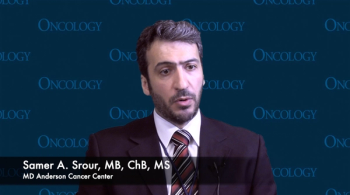
A phase 2 study investigated the use of cord blood–derived natural killer cells plus elotuzumab, lenalidomide, and melphalan with autologous stem cell transplant for patients with high-risk multiple myeloma.
Catherine S. Diefenbach, MD, spoke about the approval of lisocabtagene maraleucel for the treatment of relapsed/refractory large B-cell lymphoma following 1 prior therapy.

Fast track designation was granted to PDS0101 plus pembrolizumab, which is currently being assessed in the phase 2 VERSATILE study in patients with recurrent or metastatic human papillomavirus 16–positive head and neck cancer.

The Committee for Medicinal Products for Human Use of the European Medicines Agency has recommended for approval trastuzumab deruxtecan for patients with unresectable or metastatic HER2-positive breast cancer.
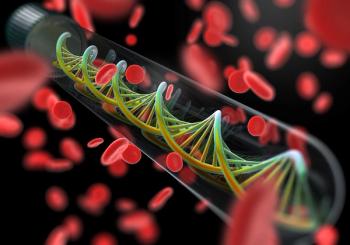
Punctual and kinetic minimal residual disease analysis could be a robust predictor of mantle cell lymphoma’s natural history and could represent an adaptable model for continuous patient risk assessment.
Mark Pegram, MD, spoke about using the Breast Cancer Index and Clinical Treatment Score post-5 years to determine outcomes for patients with early-stage hormone receptor–positive breast cancer treated with adjuvant endocrine therapy.

Key leaders in the oncology space discuss unique cancer risk factors, barriers to care, and ways in which institutions and organizations are creating more welcoming environments for individuals within the LGBTQ+ community.
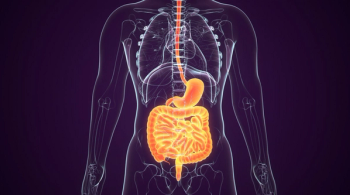
Results from the phase 2 HERIZON study identified improved overall survival for patients treated with IMU-131 plus standard of care vs standard of care alone in advanced or metastatic gastric or gastroesophageal junction cancer.
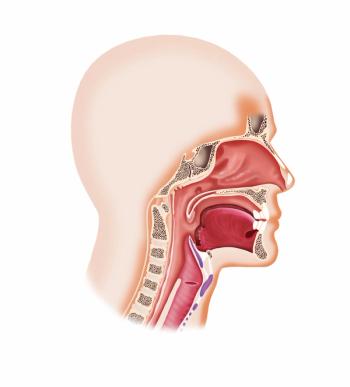
Despite an increased risk of grade 5 toxicities, patients with human papillomavirus–related oropharyngeal squamous cell carcinoma who received primary transoral surgery and neck dissection vs radiotherapy experienced good swallowing outcomes at 1 year.

Suneel D. Kamath, MD, spoke with CancerNetwork® about the latest research from the journal ONCOLOGY® on how financial conflicts of interest correlate with success of early-career academic oncologist.

Amrita Y. Krishnan, MD, spoke about where future research in multiple myeloma is headed and a take-home message for her colleagues about teclistamab in heavily pretreated patients.
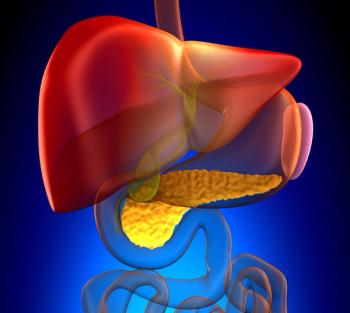
A recent study found patients with hepatoblastoma who had small cell undifferentiated histology did not have worse outcomes than those who did not.
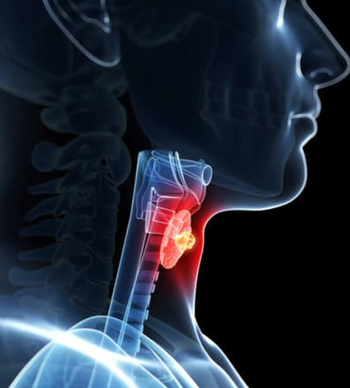
A system review and meta-analysis found that the use of radiofrequency ablation for low-risk metastatic papillary microcarcinomas of the thyroid was safe and effective.

Patients with hormone receptor–positive, ERBB2-negative high-risk early breast cancer who received neoadjuvant chemotherapy and adjuvant abemaciclib plus endocrine therapy experienced invasive disease-free survival and distant relapse-free survival benefit vs those with adjuvant endocrine therapy alone.
Benjamin Cooper, MD, discussed an ongoing trial examining TAK-676 in combination with pembrolizumab after radiation therapy for patients with non–small cell lung cancer, head and neck cancer, and triple-negative breast cancer.

Experts share their thoughts on recent advances in treatment options for metastatic renal cell carcinoma and comment on emerging data in the field.