

The FDA granted fast track designation to the oral pan-KRAS inhibitor KST-6051 for patients with KRAS-mutant advanced or metastatic solid tumors.
The FDA granted fast track designation to the oral pan-KRAS inhibitor KST-6051 for patients with KRAS-mutant advanced or metastatic solid tumors.
Based on updated data from the TRUST-1 trial, taletrectinib is now approved by the FDA for patients with TKI-naive ROS1+ NSCLC.

Misako Nagasaka, MD, PhD, explains how subcutaneous amivantamab’s shorter administration time benefits patients and infusion centers.

Jasmine Zain, MD, emphasized the importance of good patient counseling when outlining the potential risks of secondary T-cell malignancies following CAR T-cell therapy.
Misako Nagasaka, MD, PhD, discusses PALOMA-2’s 70% 3-year survival rate compared with historical MARIPOSA data for intravenous amivantamab.
Adult T-cell lymphoma and leukemia may warrant upfront allogeneic transplant, according to Mary Jo Lechowicz, MD.

Poster presentations at SOHO 2026 may inform multiple myeloma practice across the newly diagnosed and relapsed/refractory settings.

The IND clearance for IASO208, a CD20-targeted in vivo CAR-T therapy requiring no leukapheresis or lymphodepletion, enables advancement of a phase 1b trial.

The OMNI-EGFR inhibitor BH-30643 produced a 45% objective response rate among patients with EGFR C797S–positive disease in the phase 1/2 SOLARA trial.

Data presented at WCLC 2026 support the use of B7-H3–directed antibody drug conjugates and brain MRI surveillance in small cell lung cancer.
Amir T. Fathi, MD, explains which AML subgroups were excluded from PARADIGM and why chemotherapy remains standard for them.

The FDA granted breakthrough therapy designation to daraxonrasib/chemotherapy for treatment-naive pancreatic adenocarcinoma based on phase 1/2 trial data.

Trastuzumab botidotin more than doubled median PFS vs trastuzumab emtansine in HER2-positive advanced breast cancer in the phase 3 KL166-III-06 trial.
Amir T. Fathi, MD, discusses how azacitidine/venetoclax’s lower toxicity and hospitalization burden should factor into treatment decisions.

New data on antibody drug conjugates and extended survival follow-ups may inform clinical decision-making surrounding non–small cell lung cancer.

The FDA reduced the recommended monitoring time for the first 2 doses of tarlatamab to 6 to 8 hours in extensive-stage small cell lung cancer.
Azacitidine/venetoclax improving EFS over chemotherapy in fit patients with AML is an “important outcome,” according to Amir T. Fathi, MD.
Lutetium Lu 177 dotatate injection has been approved by the FDA for patients with somatostatin receptor-positive GEP-NETs.
Poster presentations at SOHO 2026 may inform practice across acute lymphoblastic leukemia, acute myeloid leukemia, and chronic lymphocytic leukemia.
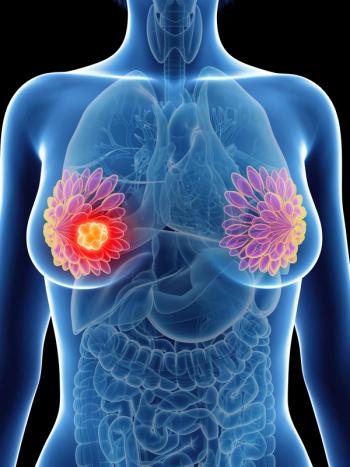
Camizestrant/palbociclib did not significantly improve PFS vs anastrozole/palbociclib in first-line ER+/HER2– breast cancer in the phase 3 SERENA-4 trial.

The FDA has set a new action date of March 3, 2027, for zanzalintinib/atezolizumab for previously treated metastatic colorectal cancer.
The FDA approved the first and only photodynamic therapy for the treatment of a skin cancer.

The FDA has approved a FET-PET imaging agent, to help characterize recurrent or progressive glioma from treatment-related changes.

Bladder-sparing options for BCG-unresponsive non-muscle invasive bladder cancer have transformed since 2020, according to Saum Ghodoussipour, MD.

Experts discussed whether CAR T cells or bispecific antibodies should be used first in relapsed/refractory multiple myeloma at the 2026 SOHO Annual Meeting.

Final phase 3 MATTERHORN data position perioperative durvalumab plus FLOT as a new standard in resectable gastric or gastroesophageal junction adenocarcinoma.

The risk of infections with epcoritamab plus R2 appeared to level off after the first 4 cycles of therapy in the EPCORE FL-1 trial.

At SOHO 2026, David Sallman, MD, explained why ofirnoflast produced responses across MDS subtypes, including in a patient with TP53-mutant disease.

Josef Vymazal, MD, discussed how gadopiclenol’s pharmacokinetics may explain why delayed double-dose imaging outperformed delayed single-dose imaging for detecting brain metastases.
Immunochemotherapy, bispecifics, and next-generation BTK inhibitors dominated discussion of ENKTL, MZL, and Waldenström macroglobulinemia at a SOHO session.