
Opinion|Videos|July 13, 2026
Clinical Scenario 2: Metastatic CSCC with Significant Comorbidities
Dr. Hamid presents an 86-year-old retired construction worker with diabetes, hypertension, and prior basal cell carcinoma, now with a 2.8 cm facial CSCC lesion and imaging-confirmed pulmonary metastases.
Advertisement
Episodes in this series
Dr. Hamid presents an 86-year-old retired construction worker with diabetes, hypertension, and prior basal cell carcinoma, now with a 2.8 cm facial CSCC lesion and imaging-confirmed pulmonary metastases. He has received maximum prior radiation dose. Performance status is ECOG 1; laboratory values include HbA1c 8.2%, creatinine 1.8 mg/dL, ejection fraction 45%, and mildly restricted pulmonary function.
Dr. Zeitouni notes the complexity of this case: metastatic disease, advanced age, multiple significant comorbidities including cardiomyopathy and baseline renal impairment, and prior radiation. Following tumor board discussion and multidisciplinary input, systemic immunotherapy is the appropriate direction. Given the extensive comorbidities and safety considerations, cosibelimab is again favored for its more favorable immune-mediated adverse event profile. She raises the possibility of extended dosing intervals (such as every 6 weeks rather than every 2-3 weeks) as a potential schedule modification to discuss with medical oncology colleagues for this patient.
NP Schollenberger frames the goals-of-care conversation around the patient's perspective: the facial mass will become increasingly symptomatic if untreated, leading to painful, draining, and locally destructive effects. Although response rates in the metastatic setting are slightly lower than in locally advanced disease, approximately 50% of patients still achieve meaningful responses. Practical management principles include a low threshold to hold therapy for emerging toxicities, prompt imaging for any respiratory symptoms given his restricted pulmonary function and reduced ejection fraction, and careful cardiovascular monitoring. Early toxicity intervention before grade escalation is particularly critical in this population.
When patients require treatment interruption or discontinuation, Dr. Zeitouni notes that discontinuation rates with cosibelimab are approximately 8%, meaning that most patients are able to remain on therapy long enough to derive clinical benefit. For patients who progress on or are intolerant of checkpoint inhibitor therapy, emerging investigational approaches include combining immune checkpoint inhibitors with targeted therapies, oncolytic viruses, and EGFR inhibitors, alongside continued clinical trial enrollment as the preferred strategy.
Advertisement
Related to this article
Indocyanine green may be highly sensitive in the identification of ovarian cancer metastases, though with low specificity.
The therapeutic cancer vaccine OSE2101 combined with either docetaxel or nivolumab met the primary end point of 1-year overall survival in the Combi-TED trial.
In a phase 1 trial, CD19/CD20/CD22 CAR T cells produced complete responses in 83% of patients with relapsed/refractory B-cell non-Hodgkin lymphoma.
Nikolai Strusberg, MD, explained the clinical hypothyroidism endpoint and how thyroid dose should guide proton vs photon choice in breast cancer.
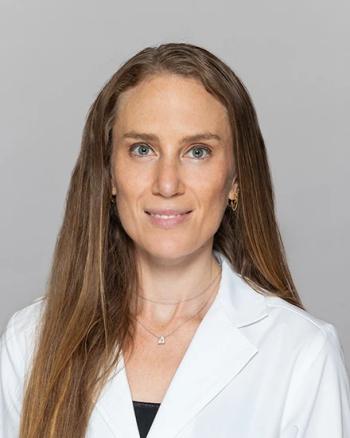
Leah Katz, MD, MPH, discusses IDEA, TARGIT-B, NeoORB, and other breast radiation data from ASTRO 2026, and why patient selection is the unifying theme.
Frederick Howard, MD, explored the evolving intersection of artificial intelligence (AI), computational pathology, and precision breast oncology.
“Vitamin C is a powerful epigenetic drug, which is not generally realized,” said Peter A. Jones, PhD, DSc (hon).

Findings from the AZUR-1 trial support the FDA approval of dostarlimab for patients with stage II/III locally advanced rectal cancer.
Advertisement
Advertisement
Trending on CancerNetwork
1
FDA Approves Dostarlimab in Previously Untreated Locally Advanced Rectal Cancer
2
Is Vitamin C an Epigenetic Interception Strategy in Pre-Leukemic Disease?
3
AI Foundation Models & Molecular Biomarkers in Breast Cancer
4
Ris-Rez Produces Anti-Tumor Activity in Extensive-Stage SCLC
5