
Opinion|Videos|June 29, 2026
Systemic Treatment Options for CSCC and Mechanism of Action
Experts unpack advanced cutaneous squamous cell carcinoma risks, comorbidities, and PD-1/PD-L1 immunotherapy strategies for unresectable disease.
Advertisement
Episodes in this series
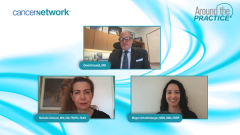
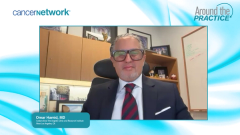
Dr. Zeitouni describes how FDA approval of 3 immune checkpoint inhibitors has fundamentally transformed the management of advanced CSCC. Prior to these approvals, available options were limited to EGFR inhibitors, targeted therapies, and platinum-based chemotherapy with modest outcomes. The current era of checkpoint inhibitor availability has enabled multidisciplinary co-management, with dermatologists and Mohs surgeons now actively partnering with medical oncologists through staging, imaging, and ongoing follow-up alongside systemic therapy.
She explains the mechanistic differences between PD-1 and PD-L1 inhibition. PD-1 inhibitors (cemiplimab, pembrolizumab) bind to the PD-1 receptor on T cells, preventing interaction between tumor-expressed PD-L1 and T-cell PD-1, thereby restoring T-cell activation through the adaptive immune system. Cosibelimab, an anti-PD-L1 agent, binds PD-L1 on tumor cells and similarly prevents this inhibitory interaction, also restoring adaptive immune T-cell function.
Cosibelimab additionally has a multifaceted mechanism. By binding PD-L1, it relieves inhibition of antigen-presenting cells, enhancing their interaction with T cells. Through its Fc domain, cosibelimab can also bind and activate natural killer cells, triggering antibody-dependent cellular cytotoxicity via release of cytotoxic granules, engaging the innate immune system in addition to adaptive immunity. Importantly, cosibelimab preserves PD-L2 signaling, which helps maintain immune tolerance and may reduce immune-mediated adverse events compared with PD-1 inhibition.
Dr. Hamid emphasizes this last point: PD-L2 is expressed in stress-related tissue-protective contexts, and preserving its signaling, a function lost with PD-1 inhibition, may have practical implications for patients at higher toxicity risk. He notes that although no head-to-head comparisons between these agents exist, mechanistic differences may meaningfully inform agent selection for specific patient profiles. Real-world data will be important given that clinical trial populations tend to include more ECOG 0 to 1 patients than those encountered in everyday practice, where ECOG 2 patients with more comorbidities are common.
Advertisement
Related to this article

“When we give the most effective therapy at the time of new diagnosis, we get the most value out of the effort and time that we and our patients are spending,” said Neeraj Agarwal, MD, FASCO.
An aglatimagene besadenovec-based radiotherapy combination increased intratumoral lymphocyte fraction in intermediate- to high-risk localized prostate cancer.
The ROADS investigators reported no differences between cesium-131 tile-based radiation therapy and SRT in quality of life, functional status, or neurocognitive function.
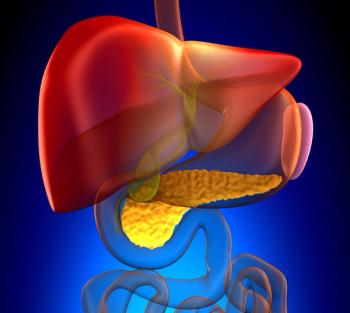
William A. Hall, MD, discussed the SOFT Preop study of preoperative SBRT vs conventional chemoradiation for pancreatic adenocarcinoma.
Chih-Yi “Andy” Liao, MD, discusses how oncologists are sequencing pemigatinib, futibatinib, and lirafugratinib and how their tolerability differs.

“It should be protocol that 100% of your patients with metastatic prostate cancer get germline testing. Full stop. No exceptions,” said Neal D. Shore, MD, FACS.
Chih-Yi “Andy” Liao, MD, discusses the FDA approval of lirafugratinib and what the field has learned about resistance to FGFR2 inhibitors.

In the phase 3 NRG-CC009 trial, SRS led to longer overall survival vs HA-WBRT plus memantine with similar neurocognitive failure in SCLC brain metastases.
Advertisement
Advertisement
Trending on CancerNetwork
1
BCMA/GPRC5D CAR T-Cell Therapy Shows Early Efficacy in R/R Multiple Myeloma
2
Multimodal Biopsy Combo Shows Low Morbidity in Suspected Prostate Cancer
3
Aglatimagene Combo Shows Sustained Immune Remodeling in Prostate Cancer
4
SBRT Matches Chemoradiation, Preserves QOL Before Pancreatic Surgery
5