
Opinion|Videos|September 14, 2026
Iberdomide in Lenalidomide-Refractory Multiple Myeloma
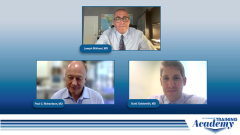
The first clinical scenario focuses on a 66-year-old patient with multiple myeloma who develops biochemical progression during lenalidomide maintenance after frontline therapy and autologous stem cell transplantation.
Advertisement
Episodes in this series
The first clinical scenario focuses on a 66-year-old patient with multiple myeloma who develops biochemical progression during lenalidomide maintenance after frontline therapy and autologous stem cell transplantation. Dr. Mikhael asks Dr. Richardson to discuss the rationale for investigating a CELMoD-based approach after lenalidomide exposure or refractoriness. The discussion draws on the EXCALIBER-RRMM study and the development of iberdomide, emphasizing its investigation in patients with lenalidomide-refractory disease and the potential clinical relevance of deeper cereblon-mediated substrate degradation. Dr. Richardson also discusses treatment considerations following prior CD38-directed therapy and the potential role of combining iberdomide with daratumumab in an appropriate clinical setting. The conversation highlights response depth, including MRD negativity, as an emerging endpoint in CELMoD development. Dr. Mikhael then notes the MRD-negative rates observed in EXCALIBER-RRMM and transitions toward a broader discussion of how these findings may inform treatment decisions for patients with relapsed or refractory multiple myeloma.
Advertisement
Related Content
Advertisement

Latest CME













































Advertisement
Advertisement
Trending on CancerNetwork
1
Debating CAR T-Cell Therapy Vs Bispecifics at First Relapse in Myeloma
2
Perioperative Durvalumab Combo Boosts Survival in Resectable Gastric Cancer
3
FLT3 Inhibitor Strategies Continue to Improve Survival Across AML Settings
4
FDA Gives Accelerated Approval to Sevabertinib in HER2+ NSCLC
5