
Opinion|Videos|September 4, 2026
Immune Effects and Clinical Translation of CELMoDs in Multiple Myeloma
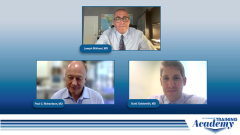
The discussion turns to the immunomodulatory effects of CELMoDs in multiple myeloma, with Dr. Goldsmith describing preclinical evidence suggesting that CELMoDs can enhance T-cell and NK-cell activity through effects on cytokine signaling and immune-mediated mechanisms.
Advertisement
Episodes in this series
The discussion turns to the immunomodulatory effects of CELMoDs in multiple myeloma, with Dr. Goldsmith describing preclinical evidence suggesting that CELMoDs can enhance T-cell and NK-cell activity through effects on cytokine signaling and immune-mediated mechanisms. The panel also discusses neutropenia as an important on-target adverse effect associated with cereblon-mediated degradation of Ikaros and Aiolos, which have roles in neutrophil maturation. Dr. Richardson highlights the potential for CELMoDs to complement other treatment approaches by engaging both tumor-cell biology and the immune system, while also describing clinical observations linking the pharmacodynamic effects seen in laboratory studies with changes observed in patients. The conversation then connects these findings with activity observed in heavily pretreated multiple myeloma, including patients previously exposed to IMiD-based therapy. Dr. Mikhael summarizes how the mechanistic rationale has supported continued clinical development of iberdomide and mezigdomide, setting the stage for discussion of emerging clinical data, including the SUCCESSOR-2 study.
Advertisement
Related to this article
Erik Bengtsen, MD, discussed meaning-centered therapy at the bedside, framing psychiatry referrals, and a more humanistic approach to care.
Erik Bengtsen, MD, described what sets psycho-oncology apart and how clinicians can open conversations on body image and sexual health.
Erik Bengtsen, MD, explained how antidepressants may improve quality of life and how he typically works with patients who decline favorable treatment.
Erik Bengtsen, MD, shares a key depression screening question and explains when oncologists can start a low-dose antidepressant.
Al-Ola A. Abdallah, MD, explains a possible biological reason IMiD holding therapy benefited ide-cel but not cilta-cel recipients.
Advertisement
Advertisement
Trending on CancerNetwork
1
Which Head and Neck Cancer Data Should You Watch For at ESMO 2026?
2
Efficacy and Safety of Immune Checkpoint Inhibitors Combined With Chemoradiotherapy in Limited-Stage Small Cell Lung Cancer
3
Sofetabart Mipitecan Shows Activity Across FRα Expression Levels in PROC
4
Reducing Stigma and Nihilism Around Lung Cancer Screening and Diagnosis
5