

Opinion|Videos|November 9, 2026
Managing Dermatologic Toxicity and Holding Therapy
Siddhartha Devarakonda, MD, of Providence Swedish Cancer Institute argues that the regimens patients navigate successfully in epidermal growth factor receptor (EGFR)-mutated advanced non–small cell lung cancer (NSCLC) are the ones their clinicians are comfortable managing.
Advertisement
Episodes in this series
Siddhartha Devarakonda, MD, of Providence Swedish Cancer Institute argues that the regimens patients navigate successfully in epidermal growth factor receptor (EGFR)-mutated advanced non–small cell lung cancer (NSCLC) are the ones their clinicians are comfortable managing. He recounts a patient who had more rash on combination therapy than on chemotherapy but far less fatigue, which mattered because missed work carried a financial cost. Because patients cannot examine their own scalp, his clinic checks it at every visit, holds amivantamab for a couple of doses at the first sign of rash, and uses steroid shampoos and lotions, with scalp toxicity now uncommon. For cutaneous toxicity he holds amivantamab and continues lazertinib unless he believes the tyrosine kinase inhibitor is responsible, noting higher muscle spasm rates and transient paresthesia with lazertinib. Estelamari Rodriguez, MD, MPH, of Sylvester Comprehensive Cancer Center closes by noting that patient preferences shift and should be revisited.
Advertisement
Related to this article

Psychiatrists explain where ketamine and esketamine show real promise for depression in patients with cancer and where caution is still needed.

In a phase 2 study, azacitidine plus ruxolitinib produced a 78% objective response rate in patients with chronic phase myelofibrosis.

Shankar Siva, MBBS, PhD, FRANZCR, discussed when to consider cytoreductive SABR in patients with metastatic kidney cancer responding to systemic therapy.
At The Liver Meeting 2026, Daniel Q. Huang, MBBS, PhD, explained why cirrhosis-based HCC surveillance misses many patients with MASLD and how to find them.
At The Liver Meeting 2026, Hashem B. El-Serag, MD, MPH, discussed when patients with MASLD and F3 fibrosis may merit HCC surveillance.
At The Liver Meeting 2026, Pierre Gholam, MD, explained why liver tumor board plans often break down at implementation and how navigators can help.
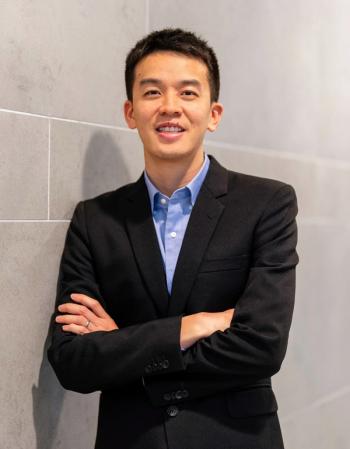
Surveillance guidelines limited to cirrhosis may miss up to a third of patients with MASLD-related HCC, according to Daniel Q. Huang, MBBS, PhD.
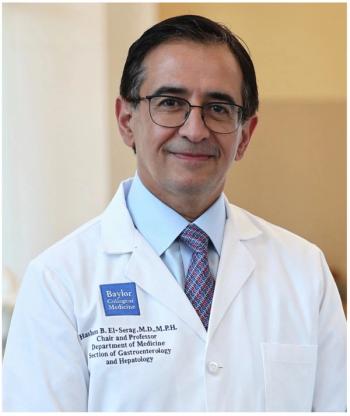
Hashem B. El-Serag, MD, MPH, discussed fibrosis-based HCC surveillance, ultrasound limits, chemoprevention, and alcohol screening for patients with MASLD.
Advertisement
Advertisement
Trending on CancerNetwork
1
Azacitidine Plus Ruxolitinib Shows Durable Responses in Myelofibrosis
2
Defining the Optimal Window for Cytoreductive SABR in Metastatic Kidney Cancer
3
Building Systems to Catch Liver and Other Cancers in Patients With MASLD
4
BOT+BAL Yields Long-Term Survival in Patients With Refractory MSS mCRC
5