

Opinion|Videos|March 12, 2024
Managing Immune-Related Toxicities with Frontline RCC Therapies
Expert panelists discuss the importance of rapid improvement within 24-72 hours with steroids for managing unpredictable immune-related toxicities that can occur with frontline IO-IO or IO-TKI regimens for patients with RCC.
Advertisement
Episodes in this series
Advertisement
Related to this article
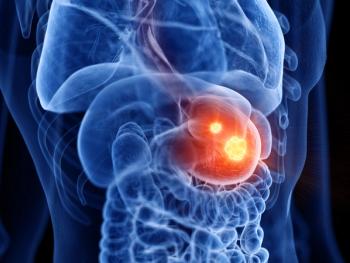
The FDA granted priority review to sonesitatug vedotin in second- and later-line CLDN18.2-positive gastric, GEJ, or esophageal adenocarcinoma, with a decision expected in the second quarter of 2027.
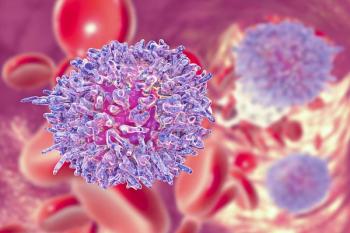
An external data monitoring committee noted that nemtabrutinib’s benefits in first-line CLL/SLL may not outweigh its risks in the phase 3 BELLWAVE-011 trial.
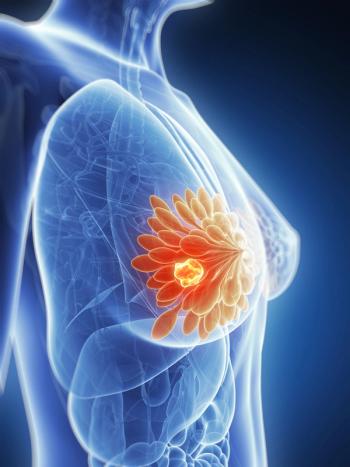
Five-year AI adherence was tied to more hypertension, dyslipidemia, and diabetes in HR+ breast cancer, yet adherence also lowered all-cause mortality.
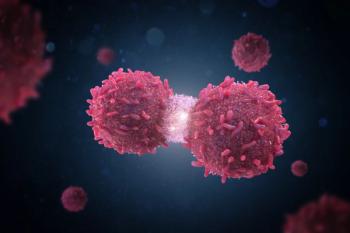
Partial responses occurred in 6 of 10 evaluable patients with FGFR3-altered tumors treated with BHV-1530, an FGFR3-directed antibody-drug conjugate, in a phase 1 study.
Amir T. Fathi, MD, outlines what menin inhibitors must show for frontline approval and how to manage differentiation syndrome.

Safusidenib showed durable responses in IDH1-mutant glioma, and ongoing trials will test the agent in oligodendroglioma, after vorasidenib, and as maintenance.
Ajai Chari, MD, discussed sequencing CAR T and bispecifics, fixed-duration therapy, emerging targets, and academic partnership in multiple myeloma.
At the 2026 Chemotherapy Foundation Symposium, Ajai Chari, MD, explained how disease pace and BCMA sequencing guide choosing CAR T or bispecifics.
Advertisement
Advertisement
Trending on CancerNetwork
1
How Should CAR T and Bispecifics Be Sequenced in Multiple Myeloma?
2
Why CAR T May Belong Before Bispecifics in Multiple Myeloma
3
SNO 2026 Shows Lasting Responses, Ongoing Research for Safusidenib
4
CELMoDs vs T-Cell-Redirecting Therapies at First Relapse in Relapsed/Refractory Multiple Myeloma
5