

Opinion|Videos|March 26, 2024
Non-Clear Cell RCC: Key Learnings and Future Research Directions
The panel discusses key learnings from recent studies in non-clear cell RCC subtypes and the need to better understand disease biology to develop optimized, histology-specific therapies rather than extrapolating clear cell treatment approaches.
Advertisement
Episodes in this series
Advertisement
Related to this article
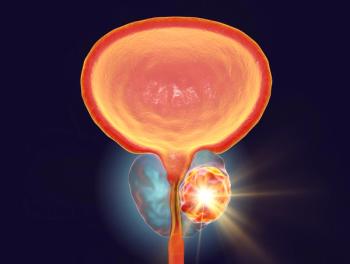
In a prospective cohort, a 3-gene blood model predicted 1-year castration resistance with an AUC of 0.89 in metastatic hormone-sensitive prostate cancer.

Rutika Mehta, MD, MPH, explains how she sequences MSI, HER2, claudin 18.2, and PD-L1 testing when tissue is limited in gastroesophageal cancer.
Dirk Schadendorf, MD, outlineed which patients with BRAF V600–mutant melanoma, including those with brain metastases, may be candidates for triplet therapy.

Dirk Schadendorf, MD, discussed final STARBOARD data with encorafenib, binimetinib, and pembrolizumab and its role in BRAF V600–mutant melanoma care.

Heath Skinner, MD, PhD, discussed the 3 considerations that determine which new radiation oncology service lines his network chooses to build.

Dwight H. Owen, MBBCh, MS, discussed why severe immune-related toxicities remain hard to predict as immunotherapy combinations expand in lung cancer.
Mingjia Li, MD, discussed the limitations of current biomarkers in selecting patients with resectable NSCLC for neoadjuvant chemoimmunotherapy.

Heath Skinner, MD, PhD, discussed which new radiation oncology service lines community practices can implement, how leadership decides, and what launches require.
Advertisement
Advertisement
Trending on CancerNetwork
1
Blood mRNA Model Predicts Castration Resistance in Metastatic Prostate Cancer
2
CD19 CAR T Cell Therapy for Treatment-Refractory Seropositive Rheumatoid Arthritis: A Phase 1 Trial
3
Predicting Severe Immune-Related Toxicities in Lung Cancer Immunotherapy
4
Outpatient Treatment-Related Toxicity After Hospital Discharge Among Patients Receiving Lifileucel for Advanced Melanoma
5