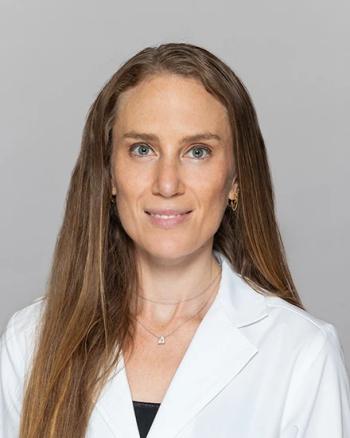
“What has changed is that we are bringing the phase 1 trials earlier in the course of treatment for our patients,” said Oana Danciu, MD.
Explore how ADCs, ctDNA monitoring, and new endocrine options reshape metastatic breast cancer care, as well as sequencing and toxicity tips from experts.
The 43rd Annual Miami Breast Cancer Conference® once again delivered on its long-standing promise to bridge the gap between rapidly evolving scientific discovery and the realities of clinical practice. As a truly multidisciplinary forum in oncology, the meeting brought together medical, surgical, and radiation oncologists, alongside radiologists, pathologists, advanced practice providers, nurses, patient advocates, and translational scientists, with a shared goal of transforming emerging evidence into better care for patients.
Antibody-drug conjugates (ADCs) remain at the forefront of therapeutic innovation in breast cancer. Across multiple sessions, discussions centered not only on efficacy, but also on sequencing, toxicity management, and patient selection. Emerging data continue to support the expanding role of ADCs across subtypes, including hormone receptor–positive (HR+) and triple-negative breast cancer, reinforcing their transition from later-line options to earlier integration in treatment paradigms.
Importantly, these discussions highlighted a critical inflection point—as ADC options proliferate, the challenge is no longer accessing effective therapies, but rather optimizing their use. Clinicians must now consider prior exposure, overlap toxicities, and diminishing returns with sequential ADC use, which underscores the need for more biologically informed sequencing strategies.
Parallel to ADC development, novel endocrine therapies continue to reshape the HR+ landscape. The emergence of oral selective estrogen receptor degraders and next-generation agents, such as proteolysis-targeting chimeras, reflects a deeper understanding of endocrine resistance and offers new approaches to durable disease control.
One of the most compelling themes at this year’s meeting was the growing integration of circulating tumor DNA (ctDNA) into clinical decision-making. Tumor board discussions explored the potential of ctDNA-guided strategies to detect emerging resistance mutations, particularly ESR1 alterations, to inform earlier therapeutic intervention.
These conversations reflect a broader shift toward dynamic disease monitoring. Although questions remain regarding timing, cost-effectiveness, and clinical thresholds for action, ctDNA assessment is poised to become a central tool in personalizing therapy for metastatic breast cancer treatment.
The continued evolution of HER2 classification, particularly the recognition of HER2-low disease, was another major focus. This paradigm shift has expanded eligibility for HER2-directed therapies, requiring clinicians to adopt a more nuanced, biomarker-driven approach to treatment selection. At the same time, emerging data on HER3-targeted therapies and other novel targets signal a future in which receptor biology is leveraged more precisely, with therapies tailored not only to expression but to functional signaling dependencies.
Advances in targeting the PI3K/AKT pathway were also highlighted, including updated data on next-generation PI3K inhibitors designed to improve tolerability while maintaining efficacy. Early-phase and ongoing phase 3 trial results suggest that more selective targeting of PI3Kα mutations may overcome prior toxicity-related limitations of this class.
A defining feature of this year’s conference was its emphasis on multidisciplinary collaboration. Tumor board sessions reinforced the importance of integrating diverse expertise to navigate complex clinical scenarios, particularly as treatment options expand and patient preferences become increasingly central to decision-making. This approach is especially critical in areas of uncertainty, such as sequencing therapies, managing toxicities, and balancing efficacy with quality of life.
Several key clinical takeaways emerged from the meeting:
Therapeutic sequencing is now a central challenge. With multiple effective options available, thoughtful sequencing and patient-centered decision-making are essential.
Biomarker-driven care is evolving toward real-time monitoring. ctDNA and other dynamic tools are beginning to inform treatment decisions beyond baseline and radiographic assessment.
Toxicity management is as critical as efficacy. As therapies become more potent and complex, proactive management of adverse effects is essential to maintain treatment continuity.
The 2026 conference underscored the critical progress being made in breast cancer treatment. Yet, amid this progress, a remaining central challenge is to ensure that these advances translate into meaningful improvements for patients in real-world settings. This requires not only scientific innovation but also thoughtful implementation, equitable access, and continued emphasis on patient-centered care.
6 months ago
Before Certainty