

The OSE2101 cancer vaccine plus FOLFIRI chemotherapy demonstrated positive survival data with minimal toxicities in the phase 2 TEDOPaM trial.
The OSE2101 cancer vaccine plus FOLFIRI chemotherapy demonstrated positive survival data with minimal toxicities in the phase 2 TEDOPaM trial.

James B. Yu, MD, MHS, FASTRO, didn’t always envision himself as a radiation oncologist, but now works tirelessly to treat patients and advance research for genitourinary cancers.
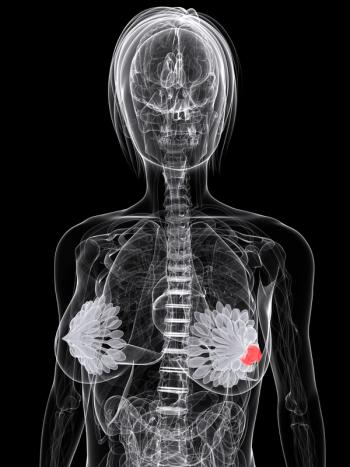
Despite a relatively small, though increasing, level of focus in oncology, radiation-induced heart damage in breast cancer is a relevant clinical problem that needs more attention.

In patients with low-grade intermediate-risk non-muscle invasive bladder cancer who achieved a CR at 3 months with UGN-102, the 18-month DOR was 80.6%.

Ivonescimab demonstrated a broad prolongation of PFS across various prespecified subgroups in patients with treatment-naïve, PD-L1–positive NSCLC.
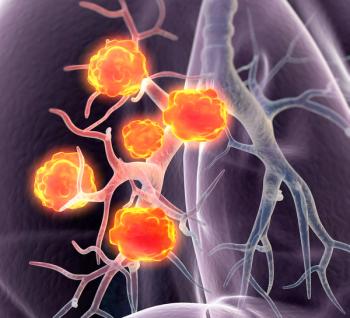
Results from the phase 3 REZOR trial show a median PFS of 19.3 months with rezivertinib vs 9.6 months with gefitinib in patients with NSCLC.
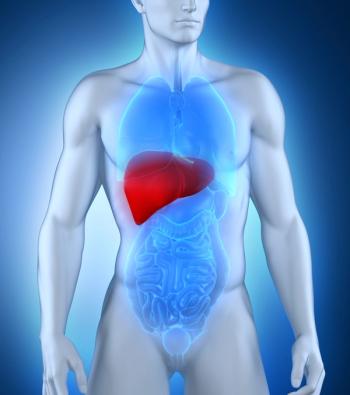
The CheckMate 9DW trial found that nivolumab and ipilimumab elicited a median OS of 23.7 months compared with 20.6 months from lenvatinib or sorafenib.

Perioperative and adjuvant S-1 and oxaliplatin demonstrated consistent OS and DFS benefits over adjuvant capecitabine and oxaliplatin.
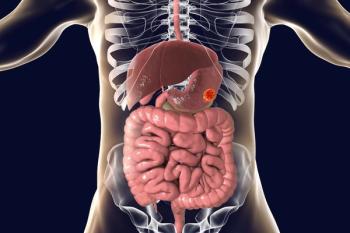
In the phase 3 COMPETE trial, ITM-11 met its primary end point of PFS and showed a favorable trend with respect to OS in GEP-NETs.

Patients with breast cancer who received endocrine therapy alone had improved physical health outcomes compared with those who received chemotherapy.

The FDA has approved 2 denosumab biosimilars for all prior approvals for the reference drugs in patients with cancers and osteoporosis.

Retrospective analyses found that antihistamines added to atezolizumab yielded a 46% OS rate, a 48% CSS rate, and a 23% PFS rate in patients with metastatic urothelial carcinoma.

A retrospective cohort study found that, of Medicare decedents with advanced cancer, 45% experienced potentially aggressive end-of-life care.
Pirtobrutinib demonstrated PFS benefit compared with standard of care in patients with relapsed or refractory CLL in the BRUIN CLL-321 trial.

Pembrolizumab and bevacizumab yielded an ORR of 58.3% vs 12.5% with pembrolizumab monotherapy in patients with platinum-resistant nasopharyngeal carcinoma.
Despite prior relapses, 200 mg of linvoseltamab elicited complete responses or better in 49.6% of patients with relapsed/refractory multiple myeloma.

After treatment with an aromatase inhibitor plus a CDK4/6 inhibitor, switching to camizestrant plus a CDK4/6 inhibitor showed a PFS benefit over remaining on the aromatase inhibitor.

The survival benefit of dacomitinib was improved in real-world settings for patients with EGFR-mutant NSCLC compared with what the ARCHER 1050 trial shows.
The CAN-2409 combination improved survival post-progression vs standard-of-care therapy alone in the phase 2 PaTK02 trial.

Isatuximab plus bortezomib, lenalidomide, and dexamethasone demonstrated enhanced MRD-negativity rates and a PFS benefit in patients with newly diagnosed multiple myeloma.
A phase 1/1b trial found that the triplet combination elicited an ORR of 45.5% and a median PFS of 14.5 months in previously untreated clear cell RCC.

Patient-reported outcomes from CARTITUDE-4 showed a median time to sustained worsening of symptoms of 23.7 months with cilta-cel and 18.9 months with standard of care.

Data show that rucaparib yielded a median OS of 19.4 months compared with 25.4 months with chemotherapy in relapsed BRCA-mutated ovarian carcinoma.
Tambiciclib plus zanubrutinib doubled the expected ORR of zanubrutinib monotherapy, eliciting an ORR of 67% in patients with relapsed or refractory DLBCL.
Updated, comprehensive OS results with the combination in resectable NSCLC will be shared in a future peer-reviewed setting.

The FDA has accepted an NDA and set a PDUFA date of August 18, 2025, for the decision on dordaviprone in H3 K27M-mutant diffuse glioma.
Adverse physical functions were indicative of reduced survival and increased risk of ICANS in patients with non-Hodgkin lymphoma who were previously treated with CAR T-cell therapy.

Frances Chow, MD, and Elizabeth Ren Zhang-Velten, MD, PhD, spoke about several facets of the current brain tumor landscape, including targeted therapies.

Efficacy results demonstrated by regorafenib and sintilimab in patients with mSS mCRC were dependent on patient characteristics such location of metastasis and RAS type.

IBI363 demonstrated encouraging efficacy and a manageable safety profile in patients with squamous NSCLC based on results from a phase 1 trial.