
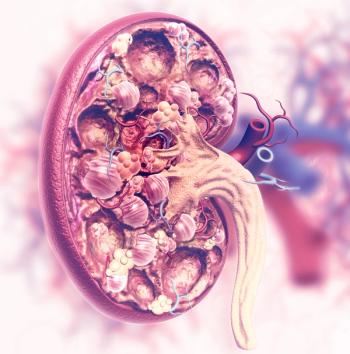
The biomarker analysis in KEYNOTE-426 showed that pembrolizumab plus axitinib therapy is associated with positive outcomes with angiogenesis in RCC.
The biomarker analysis in KEYNOTE-426 showed that pembrolizumab plus axitinib therapy is associated with positive outcomes with angiogenesis in RCC.

Barry Paul, MD, believes cilta-cel, anito-cel, and arlo-cel are some of the most promising CAR T-cell therapies in the multiple myeloma space.

The treatment combination elicited partial responses in 80% of patients with squamous NSCLC and 46% in nonsquamous NSCLC.

A recently published study showed that a multicancer early detection blood test was able to identify cancer 3 or more years before a diagnosis.
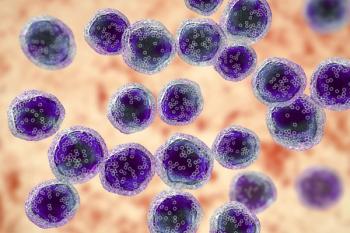
SAR446523 is currently being evaluated in a first-in-human phase 1 trial in patients with pretreated relapsed/refractory multiple myeloma.

Results from the phase 3 VIKTORIA-1 trial showed gedatolisib plus fulvestrant with or without palbociclib improved progression-free survival.

Following the lifting of a clinical hold, the FDA has again accepted the BLA for tabelecleucel in adult and pediatric patients with EBV-positive PTLD.
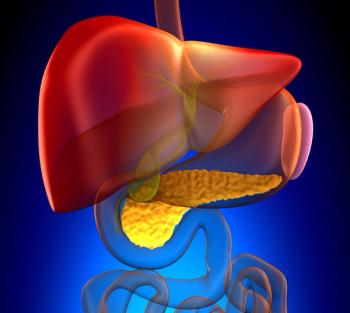
Results from a phase 1/2a trial supported the designation for VS-7375 in those with PDAC harboring a KRAS G12D mutation.
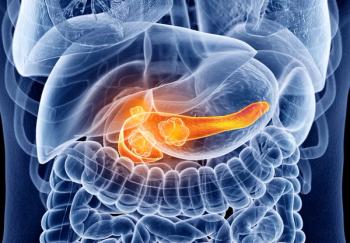
Results from the phase 3 CABINET trial demonstrated a clear progression-free survival benefit with cabozantinib vs placebo in patients with well-differentiated pNET/epNET.

Results from the phase 3 TRIANGLE trial showed prolonged failure-free survival and overall survival with ibrutinib and CIT vs CIT plus ASCT alone.
Results from the phase 1b/2 FELIX trial demonstrated that obe-cel was efficacious and safe as therapy for relapsed/refractory B-cell precursor acute lymphoblastic leukemia.
The SCIB1/iSCIB1+ cancer vaccines plus nivolumab and ipilimumab improved responses vs nivolumab and ipilimumab alone in patients with melanoma.

The new guidelines relied on trainees to bring new energy and ideas to advance the landscape of care for peritoneal surface malignancies.
In lieu of an 8-1 ODAC ruling against the applicability of the phase 3 STARGLO results in US patients, a CRL has been issued for glofitamab in relapsed/refractory DLBCL.
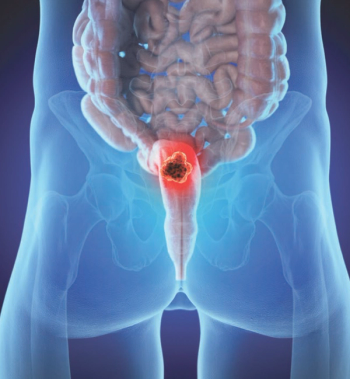
Short-course radiotherapy combined with sintilimab plus oxaliplatin-capecitabine yielded a pCR rate of 59.2% vs 32.7% with the control arm in locally advanced rectal cancer.
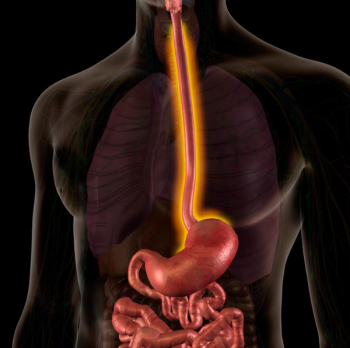
Patients with nonmetastatic esophageal cancer who received FLOT chemotherapy achieved a 3-year OS rate of 61.1% in an analysis of the phase 3 ESOPEC trial.
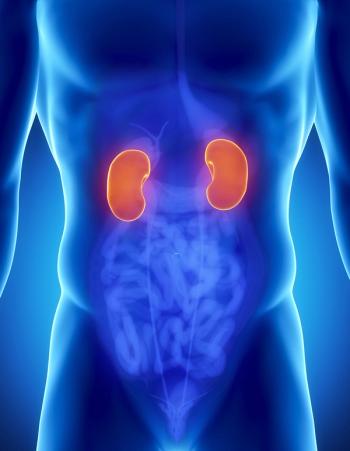
Patients with RCC who received 100 mg once daily casdatifan had an ORR of 33%, and those who received casdatifan plus cabozantinib had an ORR of 46%.
Stereotactic body radiotherapy is less expensive and has demonstrated an improved safety profile vs immunotherapy and tyrosine kinase inhibitors.
The FDA has asked tambiciclib’s developer to start a trial investigating the combination in front-line acute myeloid leukemia.

Relacorilant plus nab-paclitaxel led to a median PFS and OS of 6.54 months and 15.97 months, respectively, in patients with platinum-resistant ovarian cancer.

Results from a phase 2 study showed a median OS of 10.2 months in all patients with small cell lung cancer who received stereotactic radiation therapy.
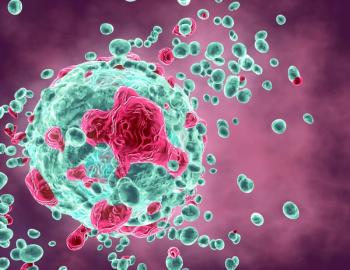
The B7-H3–low and TIGIT-high biosignatures correlated with superior event-free survival outcomes in those with melanoma treated with the combination.
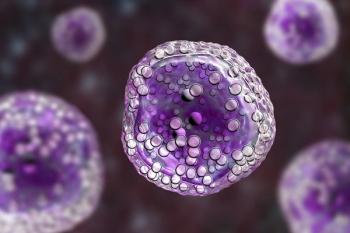
A real-world analysis of teclistamab, elranatamab, and talquetamab showed comparable outcomes in relapsed or refractory multiple myeloma.
Quemliclustat plus gemcitabine and nab-paclitaxel chemotherapy outperformed median OS benchmarks in patients with metastatic PDAC.
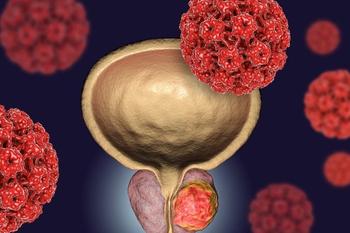
More detailed overall survival results from the phase 3 EMBARK trial for patients with nmHSPC will be shared at an upcoming medical conference.
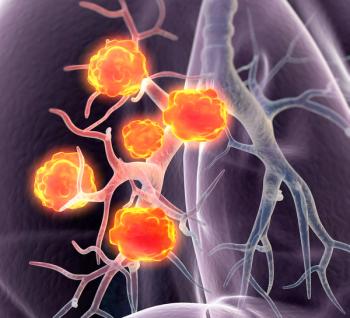
HTMC0435 plus temozolomide led to an ORR of 24.5%, with a median OS of 12.0 months, in patients with platinum-sensitive and platinum-resistant small cell lung cancer.

Results from the phase 1a/b trial evaluating ADRX-0405 in various solid tumors, including gastric cancer, are expected to come in late 2025.
Data from a phase 1 trial showed an ORR of 68% and a DCR of 93% with ZL-1310 in those with extensive-stage small cell lung cancer during dose escalation.

The liposomal formulation of gemcitabine may enhance antitumor activity by increasing plasma half-life and improving targeted delivery to tumors.

The phase 3 UTOPIA trial has enrolled a total of 99 patients with low-grade intermediate-risk NMIBC to receive UGN-103.