

Dostarlimab/chemotherapy elicited a 31% decrease in the risk of death compared with placebo/chemotherapy in locally advanced/recurrent endometrial cancer.
Dostarlimab/chemotherapy elicited a 31% decrease in the risk of death compared with placebo/chemotherapy in locally advanced/recurrent endometrial cancer.

The DCISionRT test has shown to be a significant factor in a clinician’s recommendation on whether a patient with DCIS should receive radiotherapy.

UGN-102 elicited complete responses in 79.6% of patients with non–muscle-invasive bladder cancer at 3 months in the ENVISION trial.

Brentuximab vedotin, lenalidomide, and rituximab yielded a median OS of 13.8 months and a median PFS of 4.2 months in the phase 3 ECHELON-3 trial.

The FDA has approved acalabrutinib in previously untreated MCL based on results from the phase 3 ECHO trial.
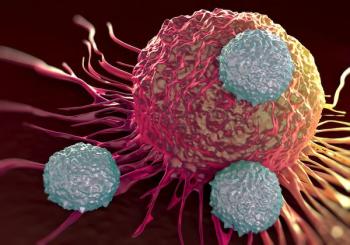
The RISE R-5780-01 trial will evaluate the safety and tolerability of R-5780 in patients with melanoma, basal cell carcinoma, or squamous cell carcinoma.
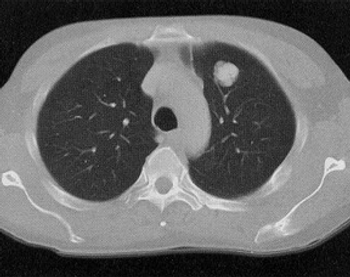
The NeXT Personal platform identified minuscule amounts of ctDNA that were found to be predictive of OS and RFS outcomes in patients with lung adenocarcinoma.
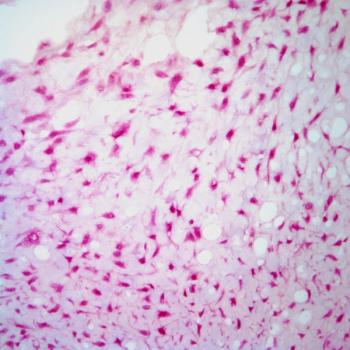
In the IGNYTE-ESO trial, letetresgene autoleucel elicited an ORR of 43%, a median PFS of 7.7 months, and a median DOR of 12.2 months in those with MRCLS.

The FDA accepted a BLA for Dato-DXd based on data from the TROPION-Lung05, TROPION-Lung01, and TROPION-PanTumor01 trials.

Elinzanetant met all primary and secondary end points when compared with placebo in patients with HR-positive breast cancer in the phase 3 OASIS-4 trial.

Subcutaneous isatuximab yields noninferior results vs intravenous isatuximab when paired with pomalidomide and dexamethasone in the phase 3 IRAKLIA trial.

The phase 3 NIVOPOSTOP GORTEC 2018-01 trial shows that nivolumab added to radiotherapy and cisplatin had improved efficacy over SOC treatments in SCCHN.
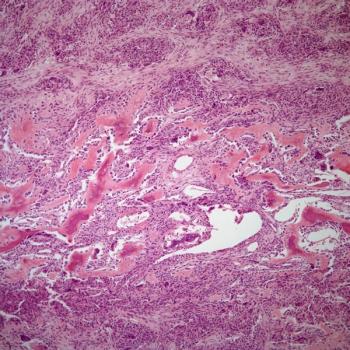
GSK5764227 yielded promising antitumor efficacy while showing no new safety signals in patients with relapsed/refractory osteosarcoma, the phase 2 ARTEMIS-002 trial found.

The WU-KONG1 trial found that sunvozertinib yielded a best ORR of 53.3% and a cORR of 44.9% in patients with NSCLC harboring EGFR exon20ins mutations.

The CheckMate 067 trial found that, at a 10-year follow-up, nivolumab/ipilimumab elicited a median OS of 71.9 months in patients with previously untreated, advanced melanoma.

Although not hitting its primary end point, a phase 2 trial showed that SBRT plus concurrent radiotherapy improved on results elicited in other trials.

A study of patients who received the KEYNOTE-522 regimen showed an improved pathologic complete response in real-world data vs what study data showed.
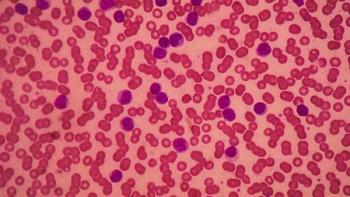
At a median follow-up of 61.2 months, zanabrutinib demonstrated superior PFS vs bendamustine and rituximab in patients with CLL and SLL.
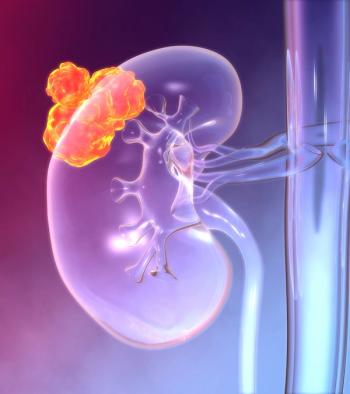
TLX250-CDx elicited a mean sensitivity of 85.5% and a mean specificity of 87.0% in patients with indeterminate renal masses in the phase 3 ZIRCON trial.

Avutometinib/defactinib was granted priority review by the FDA in the treatment of patients with recurrent, KRAS-mutant low-grade serous ovarian cancer.
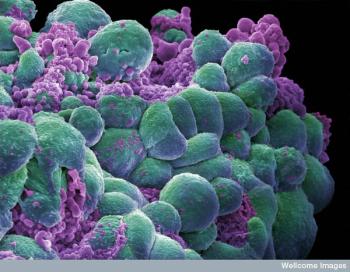
A phase 1/2 study showed that treatment with cyclophosphamide, SV-BR-1-GM, and retifanlimab yields favorable survival data in heavily pretreated patients with breast cancer.

Broader margins used in lumpectomies can lead to a reduced radiation target area in patients with breast cancer, according to results from a study presented at the 2024 SABCS.
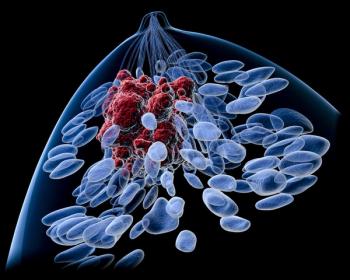
Ivonescimab with chemotherapy elicited a median progression-free survival of 9.36 months in patients with locally advanced unresectable or metastatic triple-negative breast cancer.
Uproleselan plus chemotherapy did not demonstrate clinical benefit over chemotherapy alone, though did show an acceptable safety profile.
Nivolumab with ipilimumab elicited improvements to progression-free survival in patients with microsatellite instability–high colorectal cancer.

LumiSystem prompted the removal of a median of 10.5cc extra tumor margin tissue in patients with breast cancer and did not significantly affect satisfaction outcomes.

Data from a phase 1b/2 study show a 78.6% ORR in patients with metastatic triple-negative breast cancer treated with PM8002/BNT327 plus nab-paclitaxel.

Taletrectinib demonstrated favorable efficacy and tolerability data in the TRUST-I and TRUST-II trials for the treatment of patients with advanced non–small cell lung cancer.

Niraparib/dostarlimab with platinum-therapy met its PFS end point in patients with advanced ovarian cancer in the phase 3 FIRST-ENGOT-OV44 trial.
Nab-paclitaxel elicited a pathologic complete response rate of 66.3% compared with 57.6% with docetaxel plus carboplatin, the phase 3 HELEN-006 trial found.