

Results from a phase 1a trial showed that NX-5948 yielded an overall response rate of 77.8% in later lines of treatment for patients with WM.
Results from a phase 1a trial showed that NX-5948 yielded an overall response rate of 77.8% in later lines of treatment for patients with WM.

Sacituzumab govitecan showed promising response and survival data in the extensive-stage small cell lung cancer cohort of the phase 2 TROPiCS-03 trial.

The phase 3 KeyVibe-003, KeyVibe-007, and KEYFORM-008 trials investigating vibostolimab and favezelimab have been discontinued.

Dostarlimab achieved a 100% clinical complete response rate in patients with dMMR/MSI-H advanced rectal cancer, a phase 2 study found.

Cosibelimab has been approved by the FDA as a treatment for patients with cutaneous squamous cell carcinoma.

When compared with endocrine therapy, radiation therapy improved quality of life and adverse effects data, the phase 3 EUROPA study showed.

According to a retrospective study, patients with the BRCA gene who underwent risk-reducing mastectomy/salpingo-oophorectomy had improved survival outcomes.

AI may open pathways to locate pancreatic cancer earlier and in higher-risk patient subgroups, according to Debiao Li, PhD, and Stephen Pandol, MD.
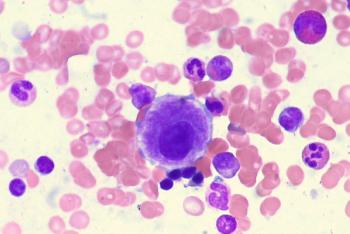
In patients with VEXAS Syndrome with or without MDS, ESAs/luspatercept generated positive hematologic improvement-erythroid responses.
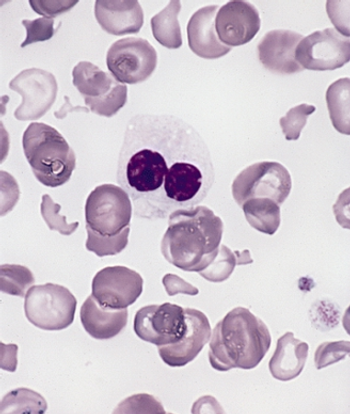
For patients with MDS who are relapsed/refractory to erythropoietin stimulating agents, low-dose deferasirox demonstrated promising efficacy and tolerability outcomes.

The FDA set a Prescription Drug User Fee act date in the second quarter of 2025 for durvalumab plus chemotherapy in muscle-invasive bladder cancer.

Nemvaleukin with and without pembrolizumab yielded promising anti-tumor activity and was well tolerated in patients with advanced solid tumors.

The FDA is expected to decide on approving glofitamab in relapsed or refractory diffuse large B-cell lymphoma by July 20, 2025.

The rare nature of pancreatic cancer makes identifying it difficult, but progress towards earlier identification is being made, according to Brian M. Wolpin, MD, MPH.

For patients with EGFR-mutated non–small cell lung cancer, sacituzumab tirumotecan was given the breakthrough drug designation by the FDA.

Tumor treating fields with chemotherapy improved overall survival for patients with unresectable, locally advanced pancreatic adenocarcinoma.

The European Commission has approved ribociclib plus an aromatase inhibitor for patients with early breast cancer.

For patients with head and neck squamous cell carcinoma and contraindications to cisplatin, durvalumab yielded worse PFS vs cetuximab.

ASTRO assembled a task force to create a guideline for the administration of palliative external beam radiation therapy for patients with symptomatic bone metastases.

The European Commission has approved tislelizumab plus chemotherapy as treatment for patients with esophageal and gastric or GEJ cancer.

Tiragolumab with atezolizumab, when compared with placebo with atezolizumab, failed to reach its overall survival end point in patients with NSCLC.

For patients with KRAS-mutated colorectal cancer, onvansertib plus FOLFIRI/bevacizumab was effective in those who had not received prior bevacizumab.
A BLA has been accepted by the FDA for 2 belantamab mafodotin combinations that have shown positive results in patients with multiple myeloma.

The VIOLETTE trial, which used OBT-fusion technology for patients with focal ablation of the prostate by microwave needles, released interim results.

Vusolimogene oderparepvec in combination with nivolumab has received breakthrough therapy designation from the FDA in advanced melanoma.

Darolutamide with androgen deprivation therapy has shown promising efficacy and safety results for patients with hormone-sensitive prostate cancer.

For patients with NSCLC, subcutaneous pembrolizumab appeared noninferior vs intravenous pembrolizumab for study end points when combined with chemotherapy.

FoundationOne Liquid CDx has been approved as a diagnostic tool for tepotinib in patients with non–small cell lung cancer METex14 skipping alterations.

Pembrolizumab with platinum-based chemotherapy yielded encouraging progression-free and overall survival outcomes in this patient population.

A nurse practitioner gives a closer look into the risk factors, diagnosis, adverse effects, and future treatments associated with pancreatic cancer.