

Patients with ES-SCLC who received immunotherapy plus chemotherapy experienced a median OS of 14.9 months vs 11.9 months with chemotherapy alone.
Patients with ES-SCLC who received immunotherapy plus chemotherapy experienced a median OS of 14.9 months vs 11.9 months with chemotherapy alone.
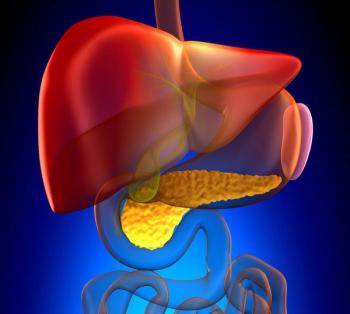
SBRT demonstrated positive 3-year outcomes as a treatment in patients with early-stage HCC based on results from the phase 2 STRSPH trial.

Results from the phase 3 HD21 trial showed that brentuximab vedotin plus chemotherapy was superior to alternative treatments in Hodgkin lymphoma.

The clearance precedes the initiation of a phase 1/2a trial that will evaluate the efficacy and safety of VS-7375 in advanced solid tumors with a KRAS-G12D mutation.

Polypharmacy, medication list errors, and drug-drug interactions were all observed in patients with cancer receiving oral anticancer drugs.

The phase 3 HARMONi-6 trial found invonescimab plus chemotherapy improved PFS vs tislelizumab plus chemotherapy in squamous NSCLC.

An annual report on the status of cancer showed that, from 2018 to 2022, the cancer death rate fell for every race and ethnicity.
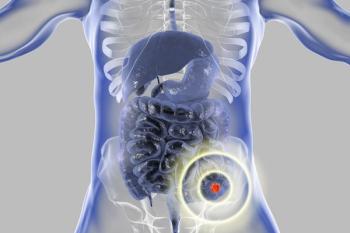
Treatment-related adverse events of special interest occurred in 64.9% of patients who received fruquintinib and 23.0% of those who received placebo.

Data from the T-DXd monotherapy arm of the phase 3 DESTINY-Breast09 trial will remain blinded until the final PFS analysis.

A 5-year follow-up of the phase 3 EMPOWER-Lung 1 showed the greatest survival benefits in patients with NSCLC who have a PD-L1 expression of 90% or more.

Patients with a cancer signal detected via multicancer early detection test demonstrated similar results to those who did not in the PATHFINDER cohort study.

Results from the DREAMM-7 and DREAMM-8 trials support the approval of belantamab mafodotin with chemotherapy in relapsed/refractory multiple myeloma.
Pooled results from the TRUST-I and TRUST-II trials showed that taletrectinib led to infrequent neurological TEAEs in patients with ROS1-positive NSCLC.
Topline results from the phase 1/2 BEXMAB trial showed “one of the strongest data sets ever seen” in treatment-resistant higher-risk MDS populations.

Additional results from the phase 2 IPAX-Linz trial will be reported at the 2025 Nuclear Medicine and Neurooncology Symposium.

At the indication of the FDA and EMA, the phase 3 FLASH2 trial will further evaluate synthetic hypericin in early-stage cutaneous T-cell lymphoma.

The addition of chemotherapy to radiotherapy did not show significant improvements in OS when compared with radiotherapy alone in patients with intermediate-risk cervical cancer.
Results from the KEYNOTE-921 trial demonstrated that pembrolizumab with docetaxel did not elicit efficacy improvements vs placebo with docetaxel in prostate cancer.
Robot-assisted minimally invasive esophagectomies with anastomotic technique were completed without complications or mortality in a majority of patients.

Subgroup data from the IMROZ trial showed Isa-VRd improved survival and responses vs VRd alone in patients who were frail with newly diagnosed myeloma.

The developer will conduct a US feasibility test to evaluate the safety and efficacy of the SIRA RFA Electrosurgical Device in patients who require breast-conservation surgery.
Results from the phase 3 CheckMate 9DW trial of nivolumab/ipilimumab vs lenvatinib or sorafenib led to the approval for patients with unresectable or metastatic HCC.

The Integrated Palliative Care Outcome Scale showed the potential to guide palliative care integration to better help patients and clinicians after AHSCT.

Bevacizumab-nwgd was assessed to be comparable to bevacizumab based on a submission showing pharmacokinetic, efficacy, safety, and immunogenicity data.

The International Psycho-Oncology Society announced the first-ever WPOD on April 9, 2025, to bring more focus to psychosocial care in cancer therapy.
A phase 2 study found that treatment with tumor-infiltrating lymphocytes elicited a partial response rate of 15.1% in patients with gastrointestinal cancers.
The FDA approved nivolumab with ipilimumab in adult and pediatric patients with CRC based on data from the phase 3 CHECKMATE-8HW trial.
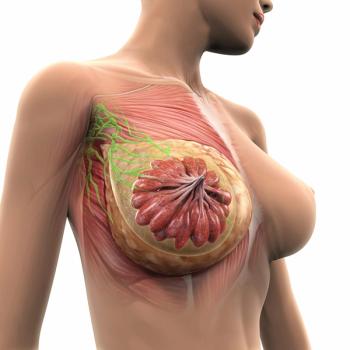
Palbociclib with endocrine therapy did not improve outcomes in hormone receptor–positive, HER2-negative breast cancer but improved invasive DFS in lobular disease.

Surufatinib/toripalimab elicited an ORR of 57.1% in patients with treatment-naïve NSCLC and 15.8% in patients with pretreated SCLC in a phase 2 trial.

A real-world analysis showed that 56 mg/m2 of carfilzomib once weekly offered many benefits over 56 mg/m2 twice weekly and 70 mg/m2 once weekly in myeloma.