
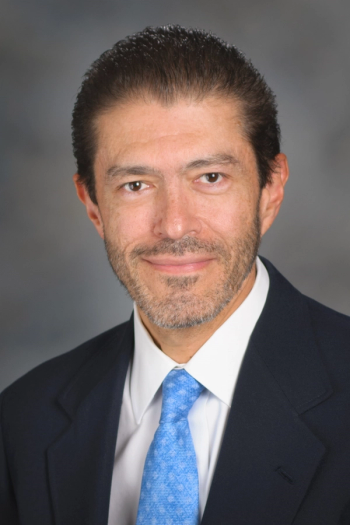
Jorge Cortes, MD, believes that, despite the rapid improvements made in CML treatment, there is always more to be done to help patients.
Jorge Cortes, MD, believes that, despite the rapid improvements made in CML treatment, there is always more to be done to help patients.

Results from a phase 3 trial led to the approval of leuprolide mesylate as a 3-month formulation for patients with advanced prostate cancer.

TT125-802 monotherapy shrank the tumors in 5 of 7 patients with drug-resistant NSCLC, and no thrombocytopenia was observed.
TAS-102 had a significant impact, achieving ctDNA clearance, in patients with colorectal cancer with ctDNA-defined MRD.

Results from a pilot phase 2 trial showed that all 5 patients who received treatment achieved a response or had stable disease.
Two studies were recently published that validated the use of the DecisionDx-SCC test as a tool for the treatment of cutaneous squamous cell carcinoma.
Both experimental models significantly improved upon historical clinical risk trial groups for patients with acute myeloid leukemia.
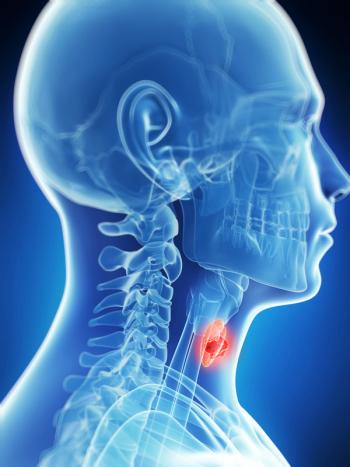
The median overall survival was 39.3 months with PDS0101 plus pembrolizumab in those with frontline recurrent or metastatic head and neck squamous cell carcinoma.
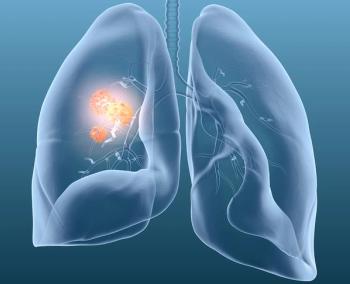
The median overall survival with atezolizumab plus carboplatin and etoposide was 10.6 months in patients with extensive-stage small cell lung cancer.
An observational study reported that results with elranatamab for patients with RRMM from the MagnetisMM-3 trial were superior to what was observed across 5 centers in the UK.

A meta-analysis did not find any correlation between pathologic complete response and overall survival or disease-free survival in patients with rectal cancer.
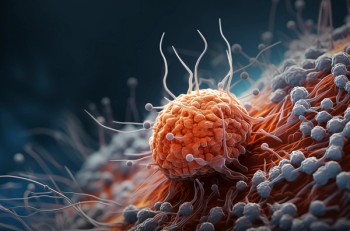
D-MNA achieved complete clinical clearance in 60% of patients, with no dose-limiting toxicities or serious adverse effects observed in those with basal cell carcinoma of the skin.
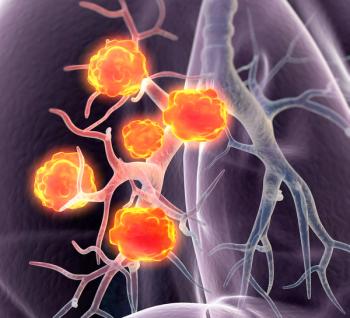
The biomarker NLR may not be suitable for prognosis prediction in older patients with small cell lung cancer, according to findings from this real-world study.
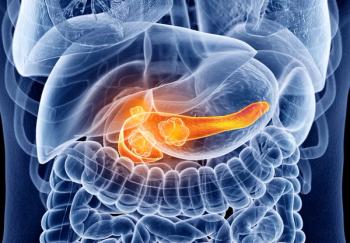
TTFields plus chemotherapy significantly prolonged overall survival compared with chemotherapy alone in patients with pancreatic cancer.

The median PFS and OS were 5.5 months and 11.2 months, respectively, with nivolumab plus carboplatin/cisplatin and etoposide in patients with small cell lung cancer.

A systematic review of 8 randomized trials showed that anti-CD38 monoclonal antibodies did not improve overall survival in high-risk subgroups.
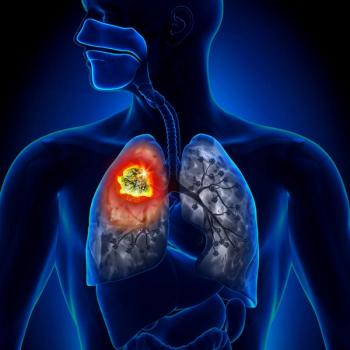
Results from a retrospective study showed that chemoimmunotherapy did not prolong survival vs chemotherapy in a younger ES-SCLC population.
Results from the SunRISe-1 trial showed that TAR-200 monotherapy achieved a complete response rate of 82.4% in patients with BCG-unresponsive NMIBC.

Results from the phase 3 KEYNOTE-689 trial supported the agency’s approval of the pembrolizumab/surgery regimen in PD-L1–positive head and neck cancer.

Patients with extensive-stage small cell lung cancer experienced a median PFS and OS of 4.5 months and 7.2 months, respectively, with anlotinib plus irinotecan.
The CD19 t-haNK therapy alone and in combination with rituximab achieved complete responses and no significant toxicities in 2 patients with late-stage WM.
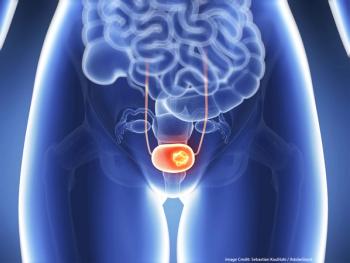
Patients with cisplatin-ineligible bladder cancer who received enfortumab vedotin plus pembrolizumab and surgery had prolonged survival vs those who received surgery alone.
The novel cancer vaccine plus pembrolizumab missed statistical significance but generated a clinically meaningful improvement in advanced melanoma.

The 2025 National ICE-T Symposium gave oncology experts an opportunity to share ideas regarding the administration of cellular therapies.
Preplanned interim results from the phase 3 EPCORE FL-1 trial support the FDA granting priority review to epcoritamab with rituximab and lenalidomide in relapsed/refractory FL.

The new formulation should increase the batch size by approximately 50% and will offer the potential to expand access to patients in new geographic locations.
The anti-CD19/4-1BB CAR T-cell therapy candidate elicited an ORR and CR rate of 100% each in patients with relapsed/refractory MCL.
Results from the marginal zone lymphoma cohort of the TRANSCEND FL trial showed liso-cel elicited an ORR of 95.5% and a CR rate of 62.1%.
At 4 years, about 20% of patients with advanced melanoma who received tumor-infiltrating lymphocyte therapy were alive and responding to treatment.

The complete response letter for the agent is due to observations from an FDA general site inspection at Catalent Indiana, LLC.