




Hematologic Oncology
Latest News
Advertisement
Latest Videos





























































Advertisement
More News
Researchers compared the ability of a novel prognostic score vs existing scores to identify patients with high-risk DLBCL.

In an interview with Cancer Network, Brad S. Kahl, MD, weighs in on the top CLL research presented at ASH 2018 in San Diego.

A study found follicular lymphoma patients staged with PET-CT and treated with radiotherapy appeared to have better outcomes than CT staging alone.
Despite improved outcomes seen in the rituximab era, the leading cause of death in patients with follicular lymphoma during the first decade remains lymphoma.

A new study shows benefits in curative treatment approaches to secondary cancers among patients with myeloma.

Undergoing bloodless autologous stem cell transplantation could be a viable option for some multiple myeloma patients according to a retrospective study.
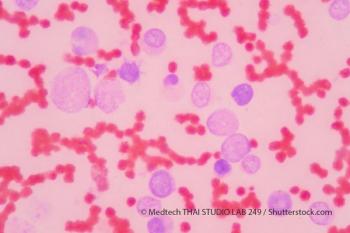
The US Food and Drug Administration recently approved a new agent for treatment of adult patients with relapsed or refractory acute myeloid leukemia.
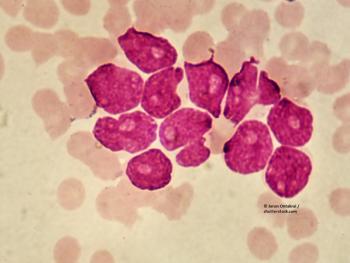
Clinicians now have a new treatment to offer elderly patients with newly diagnosed acute myeloid leukemia who have comorbidities that preclude the use of intensive chemotherapy.
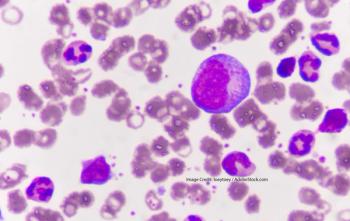
A study shows sequential monitoring of the WT1 mRNA is of value for the early detection of hematologic relapse in patients with AML in remission.
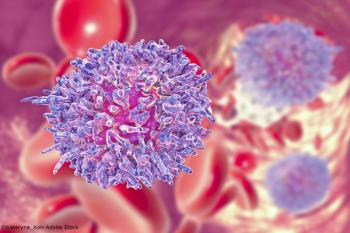
A patient’s minimal residual disease status may serve as a surrogate marker for outcome in clinical trials of chronic lymphocytic leukemia in patients with comorbidities.
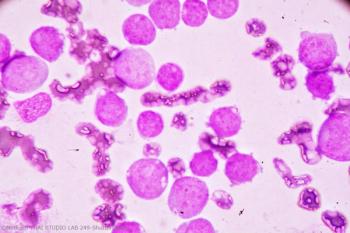
Azacitidine may delay or prevent relapse among patients with MRD-positive acute myeloid leukemia or myelodysplastic syndrome.
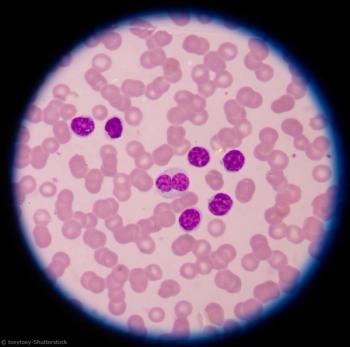
Testing patterns associated with the diagnosis and treatment of chronic lymphocytic leukemia have changed rapidly during the last decade.

The results of a follow-up analysis to the phase III MAVORIC study were presented at the ASH 2018 Annual Meeting & Exposition.
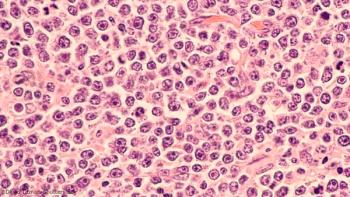
A new study has identified a clinically and biologically distinct subgroup of diffuse large B-cell lymphoma tumors.
A study looked at whether survivorship care plans were able to enhance patients' knowledge and adherence to physician recommendations.
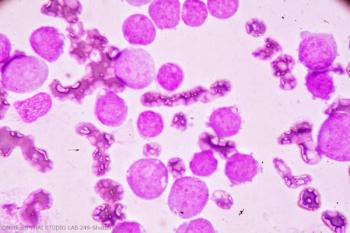
Researchers analyzed a new recurrent BCL2 mutation appearing in a cohort of patients with CLL-type progressions treated with venetoclax.
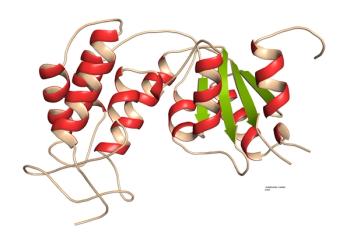
Researchers examined adding daratumumab to standard of care in newly diagnosed transplant-ineligible myeloma patients.

Researchers uncovered distinct clinical characteristics in relapsed/refractory multiple myeloma patients receiving proteasome inhibitors.
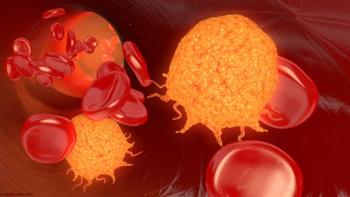
Leukemia cells show sensitivity to restriction of BCL2 and BTK with the combination of venetoclax and ibrutinib.

Researchers studied clonal hematopoiesis of indeterminate potential (CHIP) as a way to assess risk for increased mortality in lymphoma patients.

Researchers developed an enhanced genomic model combining clinical factors and select gene mutations in order to better predict survival in patients with DLBCL who were administered first-line R-CHOP.

Researchers analyzed double vs single autologous stem cell transplantation in patients with newly diagnosed multiple myeloma, after previous conflicting results.
This study looked at the benefit of early therapeutic intervention with the combination of elotuzumab, lenalidomide, and dexamethasone in patients with high-risk smoldering multiple myeloma.
Allogeneic hematopoietic stem cell transplantation could improve outcomes of elderly patients with acute myeloid leukemia.
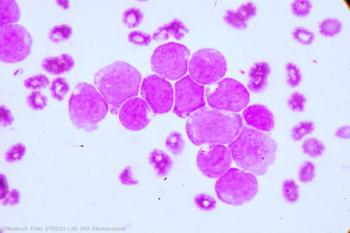
Researchers used high throughput drug screening on leukemic stem cells to determine drug resistance and sensitivity in acute myeloid leukemia patients.
Advertisement
Advertisement
Trending on CancerNetwork
1
Aglatimagene Combo Shows Sustained Immune Remodeling in Prostate Cancer
2
What Does TALAPRO-3 Mean for Frontline Treatment of HRR-Altered mHSPC?
3
SBRT Matches Chemoradiation, Preserves QOL Before Pancreatic Surgery
4
Tile-Based Radiation Improves Surgical Bed Recurrence in Brain Metastases
5