



Oncology
Latest News
Advertisement
Latest Videos

































































Advertisement
More News
“This is something where this is written by the trainees, for the trainees, and, of course, for all the other clinicians who take care of patients,” said Kiran Turaga, MD, MPH.
A recently published study showed that a multicancer early detection blood test was able to identify cancer 3 or more years before a diagnosis.

The 2025 ASCO Annual Meeting showcased groundbreaking oncology research and treatments, fostering collaboration among leading experts in the field.

The new guidelines relied on trainees to bring new energy and ideas to advance the landscape of care for peritoneal surface malignancies.
EU approval of the agent is based on results from the phase 2b ReNeu trial, which met its primary end point of confirmed objective response rate in NF1-PN.
Investigators are evaluating ZEN-3694 in combination with abemaciclib or cisplatin/etoposide across 2 clinical trials in NUT carcinoma.
The 2 denosumab biosimilars previously received FDA approval for select patients with multiple myeloma, solid tumor bone metastases, and osteoporosis.
Investigators of the phase 2 PEVOsq trial identify PD-L1 positivity and HPV positivity as predictive biomarkers of response to the pembrolizumab regimen.
Final data from the phase 3 ENLIVEN trial demonstrate long-term tumor responses and a consistent safety profile with pexidartinib.
Among 287 patients across multiple solid tumor indications, YL201 had an objective response rate of 40.8%, with a disease control rate of 83.6%.

A group of clinicians gives study advice on how to best prepare for the medical oncology board examinations.

Findings from a WeCanWork study showed that men who work laborious jobs need additional support during and after cancer treatment.

As AI revolutionizes cancer care by enhancing diagnosis, treatment, and clinical trial matching, it may lead to improved patient outcomes and streamlined workflows.

In those being screened for hereditary breast and ovarian cancer syndrome, use of a video tool improved the duration of physician-led genetic counseling.

The Adventist Health Study results found that patients who were vegetarians had a lower risk of medium-frequency cancers.
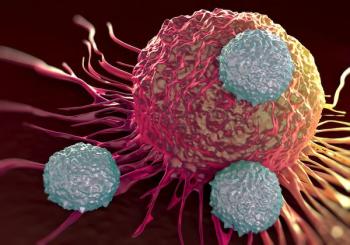
68Ga-FAPI-46 PET’s SUVpeak was highest in patients with pancreaticobiliary cancer, sarcoma, lung cancer, and esophageal/gastrointestinal cancer.
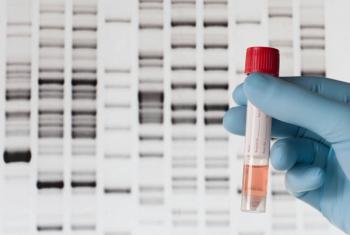
PATHFINDER 2 data build upon bolstered cancer detection rates by the multicancer early detection test found in a previously published PATHFINDER study.

Experts in the oncology field focused on ways to balance the transition from resident/fellow to attending.
The developer plans to share top-line results for RAD101 in various solid tumors from the supporting phase 2b trial in the second half of 2025.
In the phase 3 MANEUVER trial, pimicotinib improved the objective response rate vs placebo in patients with tenosynovial giant cell tumor.
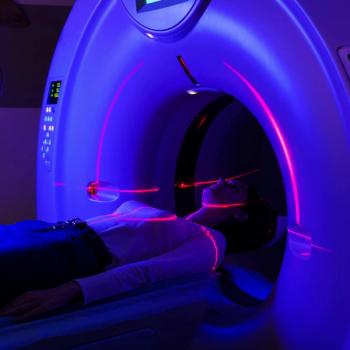
The addition of olanzapine to antiemetics might alleviate insomnia, appetite loss, anxiety, and depression in those receiving concurrent chemoradiation.

Professor of pharmacology Eric Winer, MD, spoke about a publication he authored exploring the state of oncologist burnout and how it impacts practice.
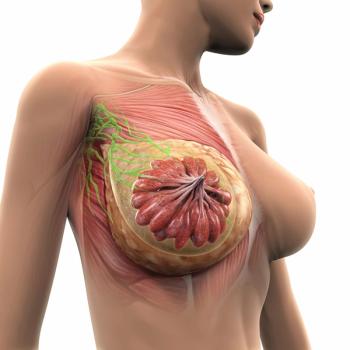
T-DXd rechallenge occurred after grade 1 ILD, and was proven safe for patients with breast cancer/solid tumors.

Experts highlight research at the 2025 ASCO Annual Meeting that may move the needle in gynecologic cancers, hematologic malignancies, and other fields.
Oncodermatology is critical in managing adverse effects from cancer treatments, specifically targeted therapies and immunotherapies.
Advertisement
Advertisement
Trending on CancerNetwork
1
Sequencing Bispecifics and CAR T-Cell Therapy in Myeloma and AL Amyloidosis
2
Clinical Applications and the Future of Remote Endovascular Procedures
3
Building a Low-Dose Radiation Therapy Program for Benign Disease
4
FDA Approves Atezolizumab/Chemo for Stage III dMMR Colon Cancer
5