


Oncology
Latest News

Advertisement
Latest Videos































































Advertisement
More News

End-of-life demands card game and mindfulness-based cancer recovery program use may enhance the quality of life for patients with lung cancer.
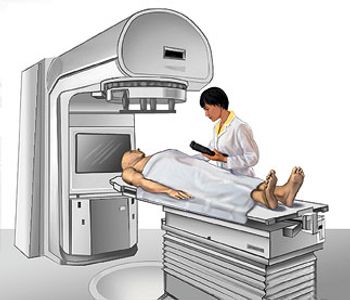
Patients with painful lesions who did not undergo treatment with opioids or reirradiation generally had better outcomes than those who did.

Integrating psychosocial care into cancer care allows patients to receive emotional support, counseling, and coping strategies to help navigate treatment.
“Psycho-oncology has made remarkable progress; however, there are still critical areas for further development,” Cristiane D. Bergerot, PhD, BS, MS, said.

A total of 32% of registered nurses and 29% of infusion nurses reported that educating patients regarding their diseases was challenging.

The study found that older females with central nervous system tumors had significantly lower vigorous physical activity participation vs their counterparts.
Bevacizumab-nwgd was assessed to be comparable to bevacizumab based on a submission showing pharmacokinetic, efficacy, safety, and immunogenicity data.

Data from the LOXO-TRK-14001, SCOUT, and NAVIGATE trials support the full approval of larotrectinib in NTRK gene fusion-positive tumors.

Quality of life improvements can be made if clinicians better understand auditory attention decay after cancer treatment in pediatric patients with cerebellar tumors.
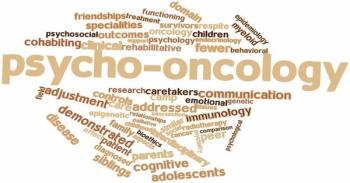
The International Psycho-Oncology Society announced the first-ever WPOD on April 9, 2025, to bring more focus to psychosocial care in cancer therapy.

The ESMO Precision Oncology Working Group recommendations can serve as guidance to define standards for MTBs to integrate precision oncology into practice.
Experts from Sibley Memorial Hospital discuss how multidisciplinary work has enhanced outcomes such as survival and resource use at their institution.

Most patients with cancer who took part in a telehealth group expressed that they liked the members of their group and felt less social isolation.
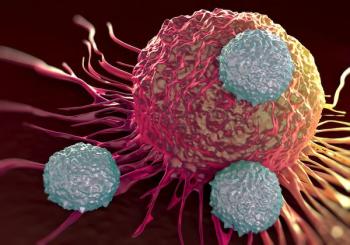
Data from the phase 3 CheckMate-67T trial support the CHMP’s recommendation for approving subcutaneous nivolumab across various solid tumor indications.

No dose-limiting toxicities were seen with solnerstotug in patients with PD-L1–resistant tumors, and most adverse effects were grades 1/2 in severity.

For Terri Lynn Shigle, PharmD, the field of hematology-oncology is deeply personal. Having lost loved ones to cancer, she was drawn to a career where she could make a meaningful difference in patient care.
In celebration of Women’s History Month, ASTCT is proud to highlight the inspiring journeys of women making a profound impact in transplantation and cellular therapy.
Recipients of hematopoietic stem cell transplantation may benefit from psychosocial interventions and supportive care following their procedure.
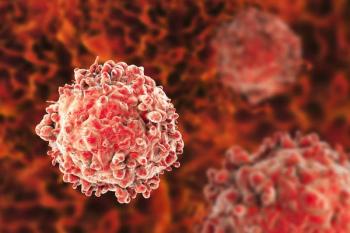
Phase 2 data may support atezolizumab plus chemotherapy as a treatment option in advanced or recurrent thymic carcinoma.

As artificial intelligence has arrived in the oncology field, experts discuss how this new technology can have implications for transforming clinical practice.

Learn how COVID-19 impacted oncology practice from the uptake of telehealth to delays in screening, with key takeaways from leading oncologists.
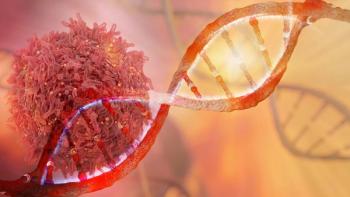
Based on positive safety data from the third cohort, a safety review committee approved the opening of a fourth cohort as well as more enrollment into the third cohort.
Leading multidisciplinary oncology professionals look back at how the COVID-19 pandemic changed cancer care.

Testing AI-powered tools globally across diverse patient groups may ensure that they are accurate and consistent for all patients.

Advertisement
Advertisement
Trending on CancerNetwork
1
Sequencing Bispecifics and CAR T-Cell Therapy in Myeloma and AL Amyloidosis
2
Clinical Applications and the Future of Remote Endovascular Procedures
3
Building a Low-Dose Radiation Therapy Program for Benign Disease
4
FDA Approves Atezolizumab/Chemo for Stage III dMMR Colon Cancer
5