


Oncology
Latest News
Advertisement
Latest Videos





























































Advertisement
More News
Oncodermatology is critical in managing adverse effects from cancer treatments, specifically targeted therapies and immunotherapies.

Experts in gynecologic cancer, genitourinary malignancies, and other disciplines highlight noteworthy clinical data slated for presentation at ASCO 2025.

The EMA’s CHMP has adopted a positive opinion for mirdametinib in patients with inoperable plexiform neurofibromas of neurofibromatosis type 1.

There was a 7% lower incidence of obesity-related cancer with GLP-1 receptor agonist use.

Co-hosts Kristie L. Kahl and Andrew Svonavec highlight what to look forward to at the 2025 ASCO Annual Meeting, from hot topics and emerging trends to travel recommendations.
The pediatric care wing of the Jack & Sheryl Morris Cancer Center is intended to accommodate the physical and emotional needs of younger patients with cancer.
Authors of a manuscript published in ONCOLOGY® discuss how artificial intelligence may help with cancer detection and improving various patient outcomes.
This case report and literature review emphasize that ICI-IA should not be ruled out based on the presence of synovial fluid with elevated WBC with a neutrophil predominance. Early steroid use should be considered.

This retrospective study included 64 patients with LMD, with primary cancers represented in the diagnosis-specific Graded Prognostic Assessment (DS-GPA) at a single institution over 5 years.
Having all the necessary staff together, from medical oncologists to pharmacists, helps deliver the best possible outcomes to patients with cancer.
Joseph C. Landolfi, DO, CPE, and Michele Morrison, MPH, BSHA, RN, discuss how they can use their leadership roles to improve cancer care.

Results from a recent survey showed that 20% of oncologists planned to reduce their hours in the next 12 months, as workplace burnout among them has increased.
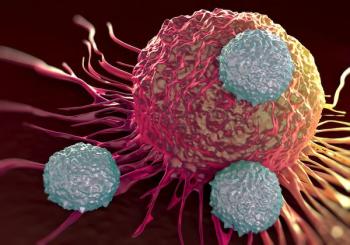
Preclinical data showing OBI-902 sustained antitumor activity in solid tumors support the agency’s decision for the IND application.
A phase 2 study found a complete clinical response of 82% with neoadjuvant dostarlimab in dMMR solid tumors.

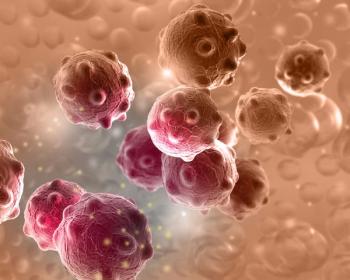
Based on FDA feedback, the developers plan to discontinue the phase 3 EQUATOR study, which evaluated itolizumab in acute graft-versus-host disease.

The clearance precedes the initiation of a phase 1/2a trial that will evaluate the efficacy and safety of VS-7375 in advanced solid tumors with a KRAS-G12D mutation.

Polypharmacy, medication list errors, and drug-drug interactions were all observed in patients with cancer receiving oral anticancer drugs.

Anna Greene, PhD, highlights the NETRF’s role as the largest funder of NET research, their current research funding opportunities, and its commitment to patient support.

An annual report on the status of cancer showed that, from 2018 to 2022, the cancer death rate fell for every race and ethnicity.

Patients with a cancer signal detected via multicancer early detection test demonstrated similar results to those who did not in the PATHFINDER cohort study.

End-of-life demands card game and mindfulness-based cancer recovery program use may enhance the quality of life for patients with lung cancer.
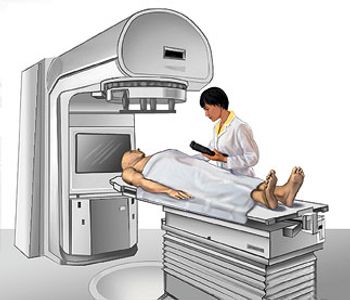
Patients with painful lesions who did not undergo treatment with opioids or reirradiation generally had better outcomes than those who did.
Integrating psychosocial care into cancer care allows patients to receive emotional support, counseling, and coping strategies to help navigate treatment.

A total of 32% of registered nurses and 29% of infusion nurses reported that educating patients regarding their diseases was challenging.
Advertisement
Advertisement
Trending on CancerNetwork
1
Sequencing Bispecifics and CAR T-Cell Therapy in Myeloma and AL Amyloidosis
2
Clinical Applications and the Future of Remote Endovascular Procedures
3
Building a Low-Dose Radiation Therapy Program for Benign Disease
4
FDA Approves Atezolizumab/Chemo for Stage III dMMR Colon Cancer
5