






Oncology
Latest News
Advertisement
Latest Videos

































































Advertisement
More News

For International Women's Day, CancerNetwork highlights impactful oncology research on topics from rising health care costs to innovative treatments.

The FDA has approved 2 denosumab biosimilars for all prior approvals for the reference drugs in patients with cancers and osteoporosis.

AI-powered pathology imaging enables a more comprehensive assessment of tumor microenvironments than humans alone could perceive.

A retrospective cohort study found that, of Medicare decedents with advanced cancer, 45% experienced potentially aggressive end-of-life care.

Phase 2 study results revealed NP-G2-044 plus standard of care anti–PD-1 therapy indicated treatment exhibited responses across at least 7 cancer types.

A phase 1/1b trial found that the triplet combination elicited an ORR of 45.5% and a median PFS of 14.5 months in previously untreated clear cell RCC.
Given resource scarcity, developing practice strategies for resource-constrained settings would require aid from commercial and government stakeholders.
According to Megan Mullins, PhD, MPH, challenging cultural norms surrounding death and dying may reduce the receipt of low-value end-of-life cancer care.

When pembrolizumab is combined with immunotherapies, the incidence of grade 3 to 5 toxicities increases, especially with anti–CTLA-4 combinations.
“We’ve seen with the initial anti-CTLA-4 ipilimumab experience that, as time went by, we were better at identifying and managing toxicities,” stated Omid Hamad, MD.
Earlier and more frequent talks about disabling ICDs with patients receiving end-of-life care and their families may help avoid excessive pain.

DOGE hopes to solve rampant inefficiencies in US healthcare that contribute to unsustainable costs and a broken system by cutting spending and administrative waste.
Large international meetings may facilitate conversations regarding disparities of care outside of high-income countries.

Understanding patient preferences for intensive end-of-life treatment may better inform research assessing patients with terminal cancer diagnoses.

Scarlett Lin Gomez, MPH, PhD, highlights facts from her research that are impacting cancer disparities and how she is finding ways to improve them.
Artificial intelligence may act as a force multiplier, with the automation of menial tasks enabling more time for clinicians to engage with patients.

Vimseltinib elicited an ORR of 40% vs 0% of matching placebo in patients with tenosynovial giant cell tumor in the phase 3 MOTION trial.
The decision impacts the phase 1 STARLING trial and additional phase 1 trials sponsored by the Moffitt Cancer Center evaluating TIDAL-01 in solid tumors.
Options like acupuncture or cannabis use may be viable to help manage symptoms related to gastrointestinal cancer treatment.

Coral Omene, MD, PhD, and Mariam Eskander, MD, MPH, discuss how to continue engagement in clinical trial enrollment for underserved populations.
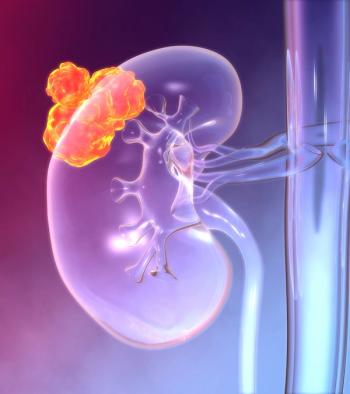
Data from the phase 2 LITESPARK-015 trial support the sNDA for belzutifan in patients with pheochromocytoma or paraganglioma.

2mg, 3mg, and 5mg extended-release capsules of everolimus have been approved for patients with TSC-associated SEGA by the FDA.

Of note, lung cancer incidence was higher among women younger than 65 compared with their male counterparts in 2021.

Micheal P. Bogenschutz, MD, discussed addressing unmet needs, implementation, and adverse effects related to psilocybin-assisted psychotherapy in cancer.

Michael P. Bogenschutz, MD, discusses the efficacy, safety, implementation, and future research of psilocybin for cancer-related psychological events.
Advertisement
Advertisement
Trending on CancerNetwork
1
Sequencing Bispecifics and CAR T-Cell Therapy in Myeloma and AL Amyloidosis
2
Clinical Applications and the Future of Remote Endovascular Procedures
3
Building a Low-Dose Radiation Therapy Program for Benign Disease
4
FDA Approves Atezolizumab/Chemo for Stage III dMMR Colon Cancer
5