



Oncology
Latest News

Advertisement
Latest Videos



































































Advertisement
More News
Sally Werner, RN, BSN, MSHA, highlights the importance of using education, navigation programs, and caregiver support to help during CAR T-Cell Therapy treatment.
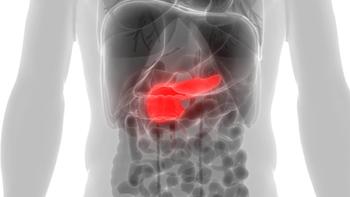
An independent data monitoring committee recommended the continuation of the phase 2 AMPLIFY-7P trial evaluating ELI-002 7P in PDAC in August 2025.
Attitudes toward the use of AI in health care were split 50/50, according to a recent survey conducted by the Cancer Support Community.
Sally Werner, RN, BSN, MSHA, discusses the crucial role of psychosocial oncology in cancer care, including how clinicians and administrators can advocate for these vital services.
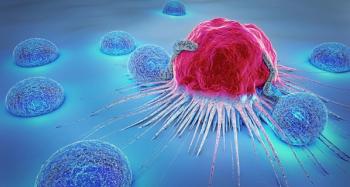
Clinical benefit with the investigational agent was reported among 48% of patients with solid tumors at or above the therapeutic dose threshold.
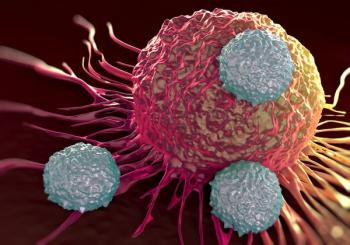
Rezatapopt achieved an ORR of 33% in all patients, and an ORR of 43% in patients with ovarian cancer, with 1 confirmed complete response.
Hydration and a healthy, well-balanced diet may mitigate fatigue among patients undergoing treatment for cancer.
Bland foods, such as crackers and chicken noodle soup, as well as fluids with electrolytes may help stave off treatment-related nausea.
According to Denise B. Reynolds, RD, patients eating well should not be experiencing nutritional deficiencies during cancer treatment.

Referrals to dietitians may help in the management of TEAEs affecting taste and smell, as well as fatigue in patients undergoing cancer treatment.
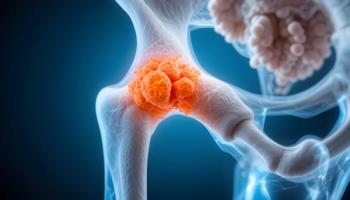
Results from a phase 2 trial showed a 1-year local control rate of 93.1% with SABR in patients with solid tumors who have uncomplicated bone metastases.

Updates on treatments like vusolimogene oderparepvec for advanced melanoma, and novel therapies have been provided by the FDA.
The denosumab biosimilars have been approved based on review of a comprehensive data package that showed no meaningful differences vs the already approved agents.
Christian J. Nelson, PhD, dives into the complexities of sexual health concerns with men following cancer treatment, specifically with genitourinary cancers.
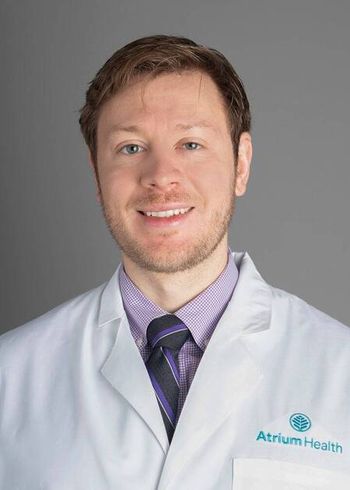
Boris M. Kiselev, MD, discusses the role of psycho-oncology in comprehensive cancer care, addressing barriers and offering a vision for the field’s future.

An oncologist’s passion for breast surgery, novel cancer vaccines in gastrointestinal cancers, and emerging actionable biomarkers for lung cancer were all covered in August.

Boris M. Kiselev, MD, provides practical advice for oncology clinicians on how to approach and initiate conversations about a patient’s mental and emotional well-being.
Boris M. Kiselev, MD, explores evidence-based interventions for managing cancer-related anxiety and depression.
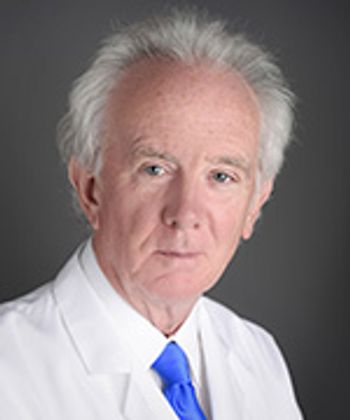
Declan Walsh, MD, highlighted how the supportive and palliative care space has evolved since he first began working in the field.
Boris M. Kiselev, MD, discusses the essential role of psycho-oncology in addressing patient distress, improving treatment adherence, and supporting long-term survivorship.
Declan Walsh, MD, highlighted the need for nutrition research to enhance oncology care.
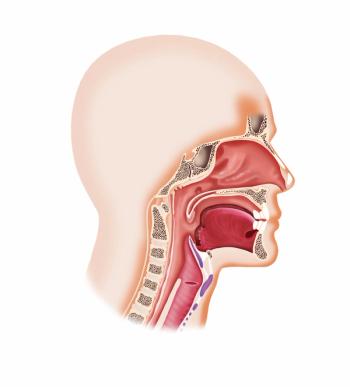
The Chemo Mouthpiece had favorable outcomes when used during and after treatment with chemotherapy among a range of patients with various types of cancer.

Geraldine O’Sullivan Coyne, MD, PhD, MRCPI, discusses how the START center may expand access to novel therapies for patients who reside in a community setting.

A survey found that patients believed dermatologic AEs were more prevalent with anti-cancer therapies than what has been reported.
Advertisement
Advertisement
Trending on CancerNetwork
1
FDA Approves Bezuclastinib Plus Sunitinib for Imatinib-Pretreated GIST
2
Why Radiation Belongs in the Future of Pancreatic Cancer Care
3
Bezuclastinib/Sunitinib Shows Activity in Exon 9, Crossover GIST Subgroups
4
MRD Assessment and Treatment Delivery in Multiple Myeloma
5