






























































Taking corticosteroids at the time of treatment initiation with PD-L1 inhibitors may lead to inferior outcomes in patients with non–small-cell lung cancer.
Taking corticosteroids at the time of treatment initiation with PD-L1 inhibitors may lead to inferior outcomes in patients with non–small-cell lung cancer.
Recent studies on CAR T-cell immunotherapy, and the recent approval of a new agent, add to evidence supporting the efficacy of these therapies.
The STRIvE-01 study explored the safety of CAR T-cell therapy in children and young adults with relapsed or refractory solid tumors.

Researchers believe an assay may be used to detect and monitor dynamics of genetic mutations of patients treated with immunotherapy.
A murine study suggests this engineered combination may offer a major advantage over current CAR T-cell–based immunotherapies.

A Washington University School of Medicine team’s findings might inform future research into inhibitors of angiogenesis and PD-1 in head and neck cancer.
Tumor microenvironments can induce T-cell senescence and exhaustion; Yangqiu Li et al highlight ways to reverse these states and improve immunotherapeutic efficacy.

“Tumor cell–intrinsic factors shape the tumor immune microenvironment and influence the outcome of immunotherapy,” the lead study author concluded.
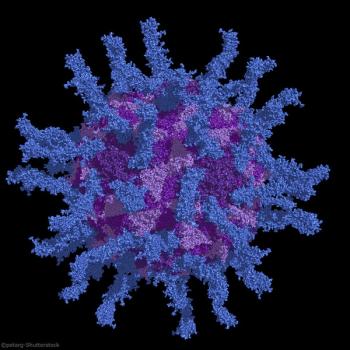
A noncontrolled phase I study in recurrent metastatic glioblastoma showed 3-year survival was five times higher in patients treated with intratumoral PVSRIPO.
Overexpression of IKZF1 facilitates immune attack on skin cancer and other solid tumors.
An analysis by FDA and NCI investigators recommended further study of the utility of immunotherapy in patients unable to mount adequate immune responses.
An Australian team is studying a DNA-based vaccine that the lead investigator feels could be “transformative” in the care of advanced colorectal cancer.
In CheckMate -078, nivolumab yielded superior OS compared with docetaxel in previously treated NSCLC, regardless of PD-L1 expression and tumor histology.
Efficacy of lenalidomide plus rituximab was similar to chemotherapy induction in previously untreated symptomatic FL, with a better safety profile.
AEs were more common in patients assigned to obinutuzumab compared with rituximab; however, baseline characteristics differed between treatment arms.
Polatuzumab vedotin administered with bendamustine and rituximab significantly improved PET-based CR rates, PFS, and OS in DLBCL but not FL.
An avelumab combination therapy shows promise against ALK-driven lung cancers, but another was neither safe nor effective in non–ALK-driven cases.
The D-CARE study found adjuvant denosumab is devoid of benefits in high-risk early breast cancer.
OS with the PSA-targeted, poxvirus-based cancer vaccine was no better than placebo, and increased survival was attributed to better standard of care.
CAR T-cell therapy with bb2121 induced deep, long-lasting responses in patients with heavily pretreated MM.
In this video, Apar Ganti, MD, highlights recent advances and studies presented at ASCO 2018 on management of NSCLC and SCLC with ICIs and targeted agents.
After 4 years of follow-up, pembrolizumab demonstrated durable antitumor activity and improved outcomes over ipilimumab in advanced melanoma.

Patients who responded to anti–PD-1 therapy and experienced prolonged progression-free survival had a much greater diversity of gut bacteria.
In this video, Dr. Leena Gandhi discusses KEYNOTE-042, a study of pembrolizumab vs chemotherapy in NSCLC (abstract LBA4), and other key ICI trials reported at ASCO 2018.

A combination of irinotecan, cetuximab, and ramucirumab may boost PFS in advanced CRC, when given after failure of oxaliplatin-and-bevacizumab–based therapy.