


Ovarian Cancer
Latest News
Advertisement
Latest Videos


















































Advertisement
More News

Phase 2b data support the Regenerative Medicine Advanced Therapy designation for gemogenovatucel-T in newly diagnosed advanced ovarian cancer.

Anant Madabhushi, PhD, and Farzad Fereidouni, PhD, are developing the MarginCall technology to reduce time lag and improve tumor margin assessment accuracy in breast and ovarian cancer surgery.
Results from the ZN-c3-001, MAMMOTH, and DENALI trials demonstrated meaningful ORRs with azenosertib in platinum-resistant ovarian cancer.
“Frozen section is destructive. It ruins the tissue, it consumes the tissue, and it affects downstream molecular analysis,” according to Farzad Fereidouni, PhD.
Anant Madabhushi, PhD, stated that MarginCall, a surgery tool he is developing can improve patient outcomes in breast and ovarian cancer surgeries.
The FIBI technology, created by Farzad Fereidouni, PhD, when combined with AI eliminates the need for frozen sections and other labor-intensive oncology surgery practices.

Avutometinib/defactinib was granted priority review by the FDA in the treatment of patients with recurrent, KRAS-mutant low-grade serous ovarian cancer.
Niraparib/dostarlimab with platinum-therapy met its PFS end point in patients with advanced ovarian cancer in the phase 3 FIRST-ENGOT-OV44 trial.
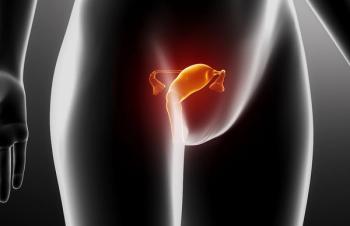
Surgery followed by platinum-based chemotherapy may provide the most benefit for patients with ovarian cancer, according to a medical oncologist.

Ovarian cancer decedents who received early palliative care had improved quality and less aggressive end-of-life care.
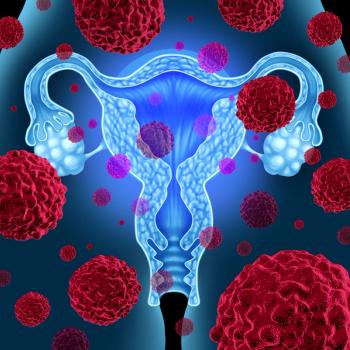
An FDA filing decision is anticipated before the end of 2024 for avutometinib/defactinib in recurrent KRAS-mutant low-grade serous ovarian cancer.
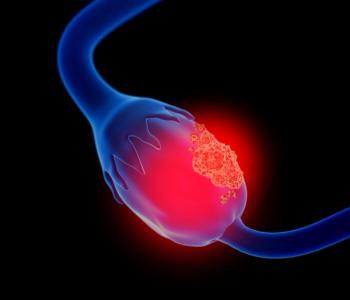
Updated findings from RAMP 201 show that avutometinib/defactinib is generally well tolerated among those with low-grade serous ovarian cancer.
Combining IMNN-001 with chemotherapy also elicited a progression-free survival improvement compared with chemotherapy alone in the OVATION 2 trial.

A ready-to-dilute formula of SH-105 has been approved by the FDA to treat breast and ovarian cancers.

There was no benefit derived from adding atezolizumab to chemotherapy and bevacizumab in patients with recurrent ovarian cancer.
A survival benefit was observed when nivolumab and ipilimumab were combined to treat ovarian or gynecologic clear cell carcinoma.
Data from the phase 2 RAMP 201 trial may support the potential accelerated approval of avutometinib/defactinib in KRAS-mutated LGSOC.

Findings may support reconsideration of guideline recommendations concerning the use of estrogen alone in postmenopausal individuals.
Fumiko Chino, MD, discusses how recent findings of talcum powder use were linked to ovarian cancer.
Results of the Sister Study cohort found an increased risk of ovarian cancer when enrolled patients used genital talcum powder throughout young adulthood.
Although the sample size for this trial was small, data still highlight a potential benefit with nivolumab in dMMR uterine and ovarian cancers.
Combining rintatolimod with pembrolizumab may confer a synergistic effect in patients with recurrent ovarian cancer.
A phase 1b evaluating NXP800 in platinum-resistant ARID1A-mutated ovarian cancer is open for enrollment in the United Kingdom and the United States.
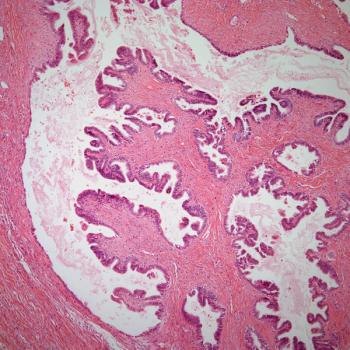
Even when adjusting for prior taxane responses in patients with ovarian cancer, ixabepilone/bevacizumab appears to yield survival benefits in a phase 2 trial.

Findings from the phase 2 RAMP 201 trial highlight responses with avutometinib/defactinib in those with KRAS-mutated low-grade serous ovarian cancer and other patient subgroups.
Advertisement
Advertisement
Trending on CancerNetwork
1
The Case for Frontline Zongertinib in HER2-Mutant NSCLC
2
Acting on a HER2 Result and Navigating Access to Therapy
3
Emerging Endocrine Doublets and Serial ESR1 Testing in HR+/HER2− mBC
4
Isatuximab-Based Therapy Shows “Impressive” PFS Projections in NDMM
5