

Experts detail presentations that may influence the standard of care across different bladder, kidney, and prostate cancer populations.
Experts detail presentations that may influence the standard of care across different bladder, kidney, and prostate cancer populations.

Two genitourinary oncologists discussed research examining germline platelet polygenic risk scores to predict survival outcomes in kidney cancer.

Germline platelet polygenic risk score predicted a 37% higher risk of death in patients with renal cell carcinoma, mediated by sustained thrombocytosis.

The addition of Bacillus Calmette-Guérin to ERBT significantly reduced 1-year recurrence rates among patients with high-risk, muscle-invasive disease.

Benjamin Garmezy, MD, discussed the potential of a GSPT1 molecular glue degrader and a trispecific T-cell engager in treating select prostate cancers.

For patients with more aggressive disease, the addition of chemotherapy to the ARPI/ADT backbone may optimize efficacy outcomes without comprising safety.

The addition of SBRT to an immunotherapy doublet did not significantly affect safety outcomes among patients with de novo metastatic RCC.

By harnessing investigator-generated data, companion diagnostics, and biomarker-directed treatment selection, clinicians can optimize care for HSPC.

Bridget Koontz, MD, discussed evaluating the role of concurrent hormone therapy and brachytherapy for prostate cancer that she presented at ASCO GU.

Host Brandon Mancini, MD, MBA, FACRO, discusses presentations from ASCO GU 2026 featuring potential advances in the use of radiotherapeutic regimens.
Key abstracts across genitourinary cancers were presented across multiple oral sessions examining investigational treatments in select patient groups.
Belzutifan plus adjuvant pembrolizumab conferred a 28% reduction in the risk of disease recurrence or death in those with high-risk ccRCC following nephrectomy.
Although older patients saw a greater rate of AE-related discontinuations, survival outcomes were similar between groups.
Oncologists discussed key abstracts assessing AI models for treatment selection, AKT inhibition, and PARP inhibition in specific prostate cancer types.

The majority of patients experiencing recurrence of their MIBC within 6 months of study start had high concentrations of ctDNA at baseline.

The triplet regimen also improved health-related quality of life and pain compared with ADT plus ARPI alone in patients with metastatic hormone-sensitive prostate cancer.
SBRT was considered safe among patients with advanced renal cell carcinoma when added to the immunotherapy combination.

CAR T-cell therapies and T-cell engagers may produce an “exciting” benefit on the radiosensitization of prostate tumors.
Based on findings from LITESPARK-11, belzutifan/lenvatinib may represent a new option in previously treated renal cell carcinoma.

The phase 2 study aimed to compare the safety of pembrolizumab and radiation with or without olaparib in this high-risk population.

Despite differences in treatment tolerance across different RCC subgroups, survival outcomes were similar in a retrospective study.
Data from PEACE-2 may challenge the current definition of "very high-risk" localized prostate cancer without nodal disease involvement.

Data from RETAIN-1 and RETAIN-2 show the chemoradiotherapy or BCG may remain viable options in those with ctDNA negativity but evidence of local disease.
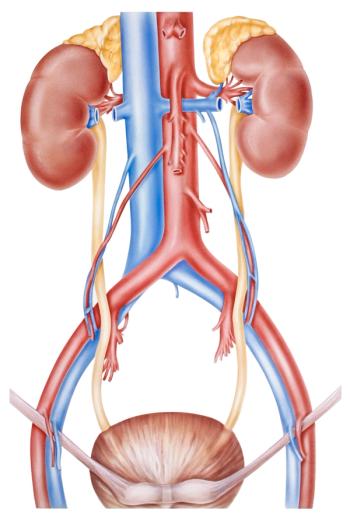
Phase 3 data support perioperative enfortumab vedotin plus pembrolizumab as a novel treatment option in MIBC regardless of eligibility for cisplatin.

Results from the PEACE-3 trial found an extended OS after patients with metastatic castration-resistant prostate cancer were treated with enzalutamide/radium-223.

Data from the CAPItello-281 trial may support capivasertib/abiraterone as a first-in-class targeted therapy in this metastatic hormone-sensitive prostate cancer population.

Data from the phase 2 BRCAAway trial showed the longest survival with olaparib plus abiraterone/prednisone vs each agent given alone or sequentially.

The FDA did not expand the indication to include patients with non–homologous recombination repair gene mutated castration-resistant prostate cancer.
SBRT did not significantly impact response when added to nivolumab/ipilimumab for patients with mCRPC.
“The single most practice-impacting abstract might be the [phase 3 NIAGARA trial] follow-up,” Guru P. Sonpavde, MD, said, regarding results shared at 2025 ASCO GU.