
High-dose chemotherapy plus conventional radiotherapy resulted in a high 3-year overall survival in children and adolescents with newly diagnosed medulloblastoma and supratentorial primitive neuroectodermal tumor.
High-dose chemotherapy plus conventional radiotherapy resulted in a high 3-year overall survival in children and adolescents with newly diagnosed medulloblastoma and supratentorial primitive neuroectodermal tumor.

The issue of value in cancer care was a prominent theme at the 2014 ASCO Annual Meeting. A question that inevitably arises in any discussion of value is what the professional and ethical obligations of practicing oncologists are in the current climate of escalating healthcare costs.
Addition of the drug armodafinil did not improve measures of fatigue in patients with gliomas undergoing treatment with radiotherapy, according to the results of a study presented at the 2014 ASCO Annual Meeting.
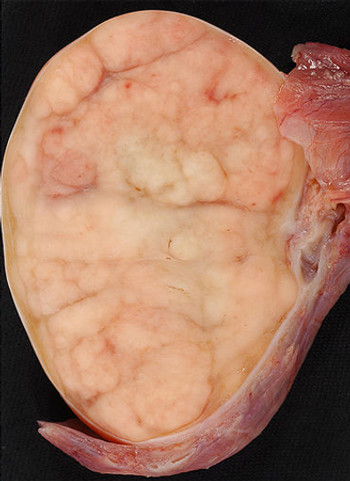
Results of a combined analysis of SWENOTECA studies showed that surveillance remains a good option for patients with stage I seminoma testicular cancer.
The breast cancer treatment landscape is changing, and the optimal adjuvant endocrine therapy for premenopausal women with hormone receptor (HR)-positive breast cancer is uncertain.
The results of the CHAARTED trial, which looked at whether the addition of upfront chemotherapy to hormonal therapy improved overall survival in patients with hormone-sensitive metastatic prostate cancer, were presented at the ASCO Annual Meeting.
Long-term results from a phase I study demonstrate that concurrent treatment with ipilimumab and nivolumab led to an unprecedented improvement in survival for patients with advanced melanoma.
At the ASCO/AACR Joint Session on Inflammatory Cells and Cancer, Dr. Andrew Dannenberg from Weill Cornell Medical College, gave a fascinating lecture titled “Stromal Inflammation and Solid Tumors.”
The story of how the targeted therapies, immunotherapies, and combinations of these therapies have been developed for use in patients with advanced melanoma holds a number of important lessons for the development of agents for use in other tumor types.
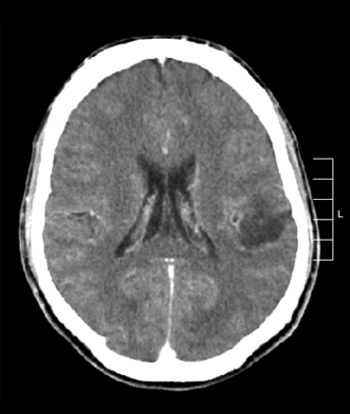
Researchers identified a six-gene signature that can help to predict the 3-year survival outcome for patients with grade II or grade III gliomas, independent of the patient’s histology, grade, and IDH1 mutations status.
Multiple abstracts on melanoma and skin cancer were reviewed at the ASCO Annual Meeting, with a focus on new treatment approaches in non-melanoma skin cancers, particularly basal cell carcinoma and Merkel cell carcinoma.
When treating patients, we often ask ourselves how the results of the tests we order will potentially change our management of the patient, or change the way we think about our patient’s disease, or offer information that will enhance our treatment approach.
With cancer care costs rising rapidly there is increased pressure to search for value in how we care for our patients.

As a radiation oncologist in training with interests in multiple disease sites, geriatrics, and health services research, I find ASCO extremely educational, motivating, and often frustrating: There is absolutely no way to attend every session of interest.
The University of North Carolina has multiple posters accepted to the Gynecologic Oncology General Poster Session at this year’s ASCO meeting. Let’s take a virtual walk through several of these abstracts.
I would argue that the “personalized” care that geriatric oncologists are championing should be the future of oncology as much as the “precision” care of immune-based and targeted therapies.
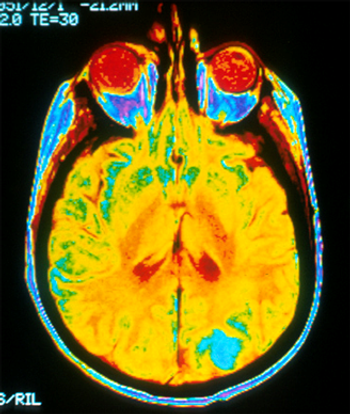
A phase II trial evaluating the use of a dendritic cell vaccine, ICT-107, has shown that the immunotherapy had a positive effect on progression-free survival in patients with glioblastoma.
One of the most fascinating sessions I attended so far here at ASCO was on payment reform. As a faculty member of a cancer center at a state university, I generally consider myself lucky that I can remain quite sheltered from the financial side of oncology clinical care.
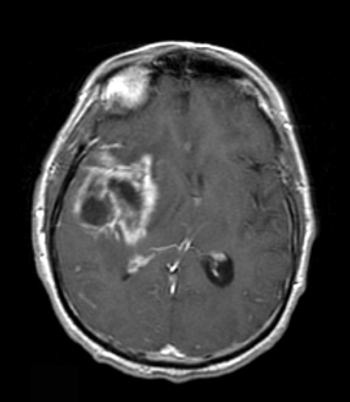
Positron emission tomography using [18]F-fluorothymidine as a tracer failed to distinguish true progression of glioblastoma from pseudoprogression in a small single-center study presented at the 2014 ASCO Annual Meeting.
It’s Saturday morning, and ASCO is fully underway. I started the morning at the immense poster exhibit hall. Although it is easy to feel intimidated by the size of the room and number of posters, I find that walking the poster hall can actually be one of the most personal and intimate ways to experience the ASCO meeting.
This morning I attended the Annual PLATO Fellows Forum in Breast Oncology at ASCO. This is a fantastic venue in which oncology trainees can learn about cutting-edge breast cancer management strategies and the frontiers of research.

As part of our coverage of the 2014 American Society of Clinical Oncology (ASCO) Annual Meeting, we discuss how molecular diagnosis in medulloblastoma affects clinical decision-making.
As part of our coverage of the 2014 American Society of Clinical Oncology (ASCO) Annual Meeting, we discuss some of the immunotherapy treatment options for urological cancers.
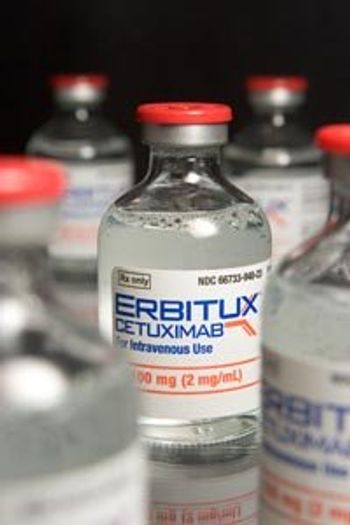
Results from the German AIO KRK-0306 study, FIRE-3, show that the addition of cetuximab (Erbitux) to chemotherapy rather than bevacizumab (Avastin) increased overall survival by nearly 4 months in patients with KRAS wild-type metastatic colorectal cancer.
Today at the 2013 ASCO meeting, we are discussing targeted therapy strategies for lung cancer and for treating patients after resistance to these drugs.
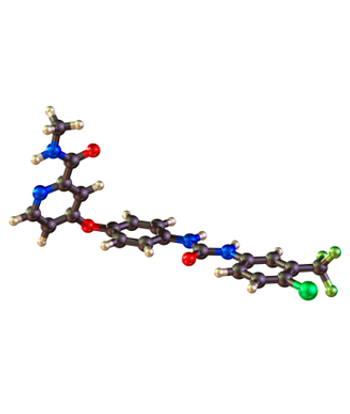
Data presented at ASCO from the phase III DECISION trial showed treatment with the TKI sorafenib (Nexavar) delayed disease progression by 5 months in patients with metastatic differentiated thyroid cancer that had progressed on radioactive iodine.
Results of two phase III trials, presented at ASCO, on the addition of bevacizumab (Avastin) to standard therapy in newly diagnosed glioblastoma found that the drug added no benefit.
The David A. Karnofsky Memorial Award, ASCO’s highest scientific honor, went this year to Dr. Martine J. Piccart, who is internationally recognized for her unflagging dedication and innovative approaches to the development of drugs and regimens that will truly make a difference in the lives of patients with breast cancer.