
ONCOLOGY Vol 40, Issue 2

Three experts in surgery, radiation, and integrative care disclosed the most salient advances and keen insights in their respective fields.
ONCOLOGY has identified FDA approvals that have affected the oncology treatment paradigm over the last 40 years.
About 50% to 60% of Lambert-Eaton myasthenic syndrome cases occur secondary to a malignancy, most commonly small cell lung cancer, and 3% of patients with SCLC have LEMS.
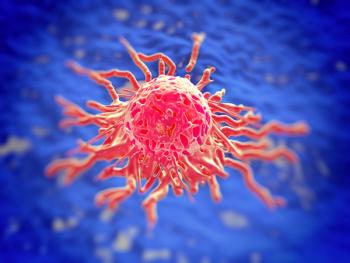
Soft tissue sarcomas are a rare but heterogeneous group of tumors accounting for less than 1% of all cancers.

Today the patient-physician relationship that Pergament et al outlined in 1999 is even more prevalent, driven by the rapid development, use, and uptake of social media across all oncology fronts.

Yan Leyfman, MD, reflected on resilience and hope in the face of cancer, recounting a 37-year-old diagnosed with stage IV colorectal cancer followed by HIV.

Specialized LLMs, AI-assisted CT scans for early detection, and foundational models democratizing pathology are among emerging technologies in oncology care.

COVID-19 and HIV reshaped cancer care, leading to delayed screenings, a surge in telehealth, mental health strain, and equity lessons, many of which clinicians still confront.
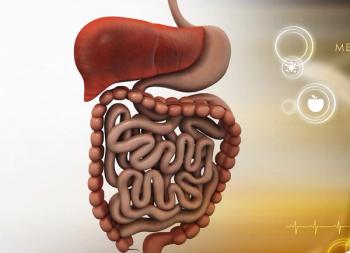
Learn SCAC risk factors, rising trends, and new frontline retifanlimab chemoimmunotherapy, plus PD‑1 options and emerging checkpoint strategies.

A panel of experts convened to explore the practical integration of BCMA-directed bispecific antibodies into clinical care for patients with multiple myeloma.

Although survival outcomes were comparable among the 3 PD-1 inhibitors in the overall cohort, tislelizumab and sintilimab showed superior PFS in PD-L1–positive subgroups, suggesting biomarker-driven therapeutic selection.
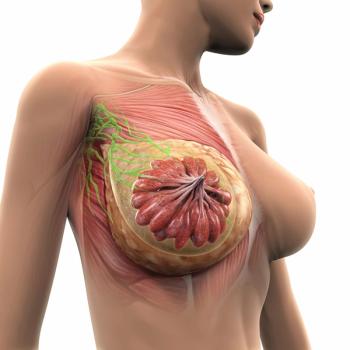
This study aims to understand the degree of influence of the severity of lymphedema on quality of life in patients with breast cancer–related lymphedema during the maintenance phase.

In each decade since the launch of the journal ONCOLOGY, cancer care has evolved, and with it the finances and costs associated with these improving treatments.
Over the past 40 years, oncology shifted to precision care, smarter toxicity management, AI-guided guidelines, and equity, according to Julie Gralow, MD.
As the journal ONCOLOGY reaches it's 40-year anniversary, it's important to reflect on the transformation of cancer care in that time, according to Julie M. Vose, MD, MBA, and Neil M. Iyengar, MD.
Advertisement
Advertisement
Trending on CancerNetwork
1
Sequencing Bispecifics and CAR T-Cell Therapy in Myeloma and AL Amyloidosis
2
Larger Prostates Showed Post-Radiotherapy Urinary Symptom Normalization
3
Weighing the Promise and Trade-offs of CAR NK Cell Therapy for Cancer
4
Building a Low-Dose Radiation Therapy Program for Benign Disease
5