


Neuroendocrine Tumors
Latest News
Advertisement
Latest Videos






Shorts

0:51
From Hospice to 3+ Year Survival: Extending Life in EML4-ALK Fusion NEC
5 months ago
by
Jason Starr, DO

0:49
Highlighting an Unmet Need in Neuroendocrine Prostate Cancer
6 months ago
by
Rahul R. Aggarwal, MD

1:30
Uncovering the Unique Advantage of a TCR-Based Approach in Pancreatic NETs
7 months ago
by
Mauro Cives, MD

1:21
Is There a Link Between Immunosenescence and “Immune Cold” TMEs in NETs?
7 months ago
by
Suzann Duan, PhD

1:07
Some TILs May Exploit Antitumor Activity in Pancreatic NETs
7 months ago
by
Mauro Cives, MD

0:37
When Should Patients with NETs Be Advised Not To Take GLP-1 Agents?
a year ago
by
Joseph Dillon, MB, BCh, BAO
0:37
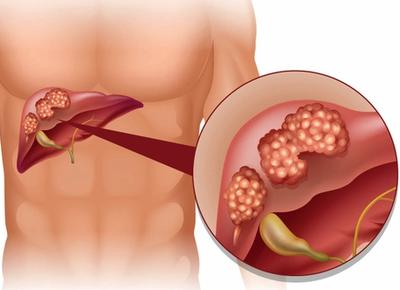
Y90/Radiosensitizing Chemotherapy Regimen Feasible in Liver-Dominnat NETs
a year ago
by
Michael C. Soulen, MD

0:44
NET-PRO: Younger NET Population Experiences More Significant AEs
a year ago
by
Udhayvir S. Grewal, MD
0:39
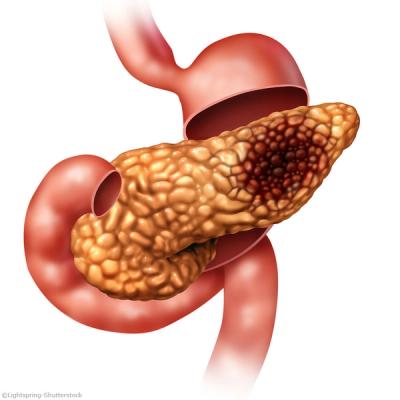
Examining 212Pb-DOTAMTATE Clinical Outcomes in PRRT-Naive GEP-NETs
a year ago
by
Mary Maluccio, MD, MPH, FACS
1:13
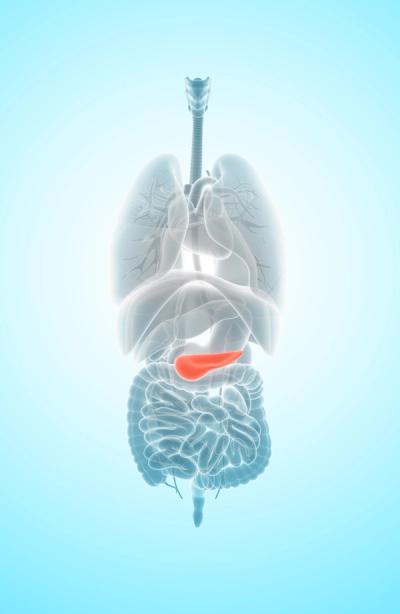
Predicting Early Post-Surgical Recurrence in pNETs
a year ago
by
Stefano Partelli, MD, PhD
Podcasts




























































Advertisement
More News
According to the study authors, 177Lu-edotreotide represents a valuable treatment option, offering superior efficacy and HRQOL vs everolimus in GEP-NETs.

The safety profile of zocilurtatug pelitecan among patients with extrapulmonary neuroendocrine carcinomas was consistent with prior reports in SCLC.

Although ctDNA has limited utility in well-differentiated disease, it may have use in monitoring molecular residual disease in high-grade carcinomas.

Rahul Aggarwal, MD, discussed the high unmet needs of neuroendocrine prostate cancer, highlighting biopsy triggers, genomic markers, and emerging targets.

Three Neuroendocrine Tumor Research Foundation grant winners outlined research that aimed to deliver biology-driven strategies to patients.

Lynette Fernandez-Cuesta, PhD, discussed how the Petersen Accelerator Grant will drive the development of real-time clinical biomarkers for aggressive lung NETs.
The FDA tentatively approved PNT2003, a radioequivalent to lutetium Lu 177 dotatate, for adults with GEP-NETs based on comparable efficacy and safety data.

Mauro Cives, MD, discussed "immune niches," neoantigen mapping, and strategies to minimize adverse effects in healthy tissue for this treatment modality.

Cytokines such as IL-17B, TNF-α, and IL-6 are essential in driving neuroendocrine differentiation and “reprogramming” healthy tissue.

Data from 2 trials at the 2024 and 2025 ASCO Annual Meetings demonstrate the PD-L1/4-1BB bispecific antibody’s efficacy and safety in this population.
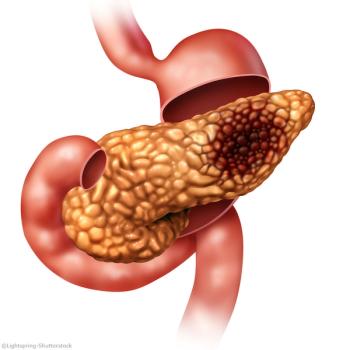
Toxicities with streptozotocin/5-fluorouracil and everolimus were comparable with other orally available chemotherapeutic schemes in this NET population.

Data from a phase 1/2a trial show no dose-limiting toxicities associated with ELC-100 among patients with neuroendocrine tumors.
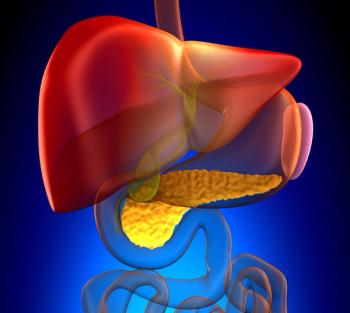
Results from the phase 3 COMPETE trial demonstrated that 177Lu-edotreotide improved PFS and ORR compared with everolimus in patients with GEP-NETs.

Micheal C. Soulen, MD, spoke about his presentation on the CapTemY90 trial at the 2025 NANETS Multidisciplinary NET Medical Symposium.

Considering historical trends of underpowered data in NET surgical studies, CUTNETs established a collaboration of surgical teams to better power research.
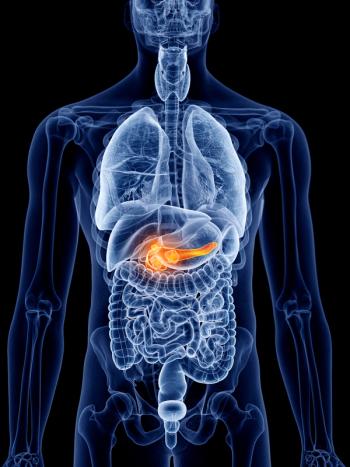
A manageable safety profile and survival benefit was observed across patient groups with somatostatin receptor–positive GEP-NETs.

Data from the phase 3 CABINET trial support the CHMP’s positive opinion of cabozantinib in well-differentiated extrapancreatic or pancreatic NETs.

Anna Greene, PhD, spoke about how this under-studied disease needs increased funding and more awareness.

Anna Greene, PhD, highlights the NETRF’s role as the largest funder of NET research, their current research funding opportunities, and its commitment to patient support.

Data from the phase 3 CABINET study support the approval of cabozantinib in patients with pancreatic and extra-pancreatic neuroendocrine tumors.

Phase 3 data show that ITM-11 produced favorable safety results among patients with gastroenteropancreatic neuroendocrine tumors.

A phase 2 trial revealed survival with ramucirumab plus somatostatin was consistent with other VEGF pathways in treating advanced neuroendocrine tumors.
Investigators are assessing treatment with ELC-100 among patients with pancreatic neuroendocrine tumors as part of a phase 1/2 trial.

Brett L. Ecker, MD, discusses the importance of multidisciplinary collaboration in improving patient outcomes in neuroendocrine tumors.
Brett L. Ecker, MD, focused on the use of de-escalation therapy, which is gaining momentum in neuroendocrine tumors.
Advertisement
Advertisement
Trending on CancerNetwork
1
Belzutifan Combo Receives FDA Approval in Advanced Clear Cell RCC
2
Emerging Endocrine Doublets and Serial ESR1 Testing in HR+/HER2− mBC
3
Daratumumab Combo Yields Responses in Cardiac-Involved AL Amyloidosis Trials
4
Epcoritamab Combo Receives Canadian Approval in R/R Follicular Lymphoma
5